
DDD领域驱动之干货(三)完结篇!
首先这里发一下结构图,因为是重写的,但是代码都是一样所有如下:
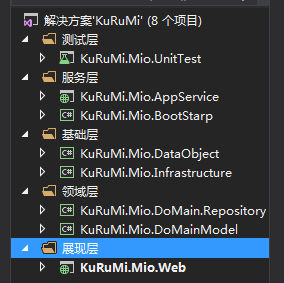
这里我先说一下看了大部分的DDD文章都是采用的WCF做服务,这里呢我用的是webapi做服务,WCF和WEBAPI的区别可以去百度下。
好了。现在我们看下automapper的具体实现。
因为automapper又一个Profile类,而我们自己写的类去继承这个类,所有如下图:
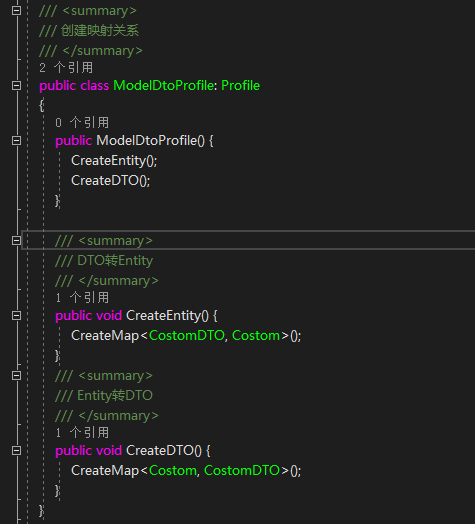
上图是创建映射关系,下面就去添加映射
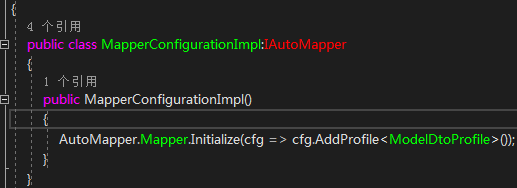
这些做完了 我们现在需要使用

这里的dto类型是CostomDTO 也就是数据传输对象。
下面我们来看下工作单元,下面我直接贴代码
using System;

using System.Collections.Generic;

using System.Linq;

using System.Text;

using System.Threading.Tasks;

namespace KuRuMi.Mio.DoMain.Repository.UnitOfWork

{

    /// <summary>

    /// 表示所有集成该接口都是工作单元的一种实现

    /// </summary>

    public interface IUnitOfWork

    {

        /// <summary>

        /// 提交

        /// </summary>

        void Commit();

        /// <summary>

        /// 异步提交

        /// </summary>

        /// <returns></returns>

        Task CommitSyncAsync();

        /// <summary>

        /// 回滚

        /// </summary>

        void Rollback();

        /// <summary>

        /// 已经提交过了

        /// </summary>

        bool Committed { get; }

        /// <summary>

        /// 事务支持

        /// </summary>

        //bool DistributedTransactionSupported { get; }

    }

}
这是IUnitOfWork接口代码。
using KuRuMi.Mio.DoMainModel.BaseModel;

using System;

using System.Collections.Generic;

using System.Linq;

using System.Text;

using System.Threading.Tasks;

namespace KuRuMi.Mio.DoMain.Repository.UnitOfWork

{

    public interface IUnitOfWorkContext : IUnitOfWork, IDisposable

    {

        /// <summary>

        /// 将指定的聚合根标注为“新建”状态。

        /// </summary>

        /// <typeparam name="TAggregateRoot">需要标注状态的聚合根类型。</typeparam>

        /// <param name="obj">需要标注状态的聚合根。</param>

        void RegisterNew<TAggregateRoot>(TAggregateRoot obj)

            where TAggregateRoot : class, IAggregateRoot;

        /// <summary>

        /// 将指定的聚合根标注为“更改”状态。

        /// </summary>

        /// <typeparam name="TAggregateRoot">需要标注状态的聚合根类型。</typeparam>

        /// <param name="obj">需要标注状态的聚合根。</param>

        void RegisterModified<TAggregateRoot>(TAggregateRoot obj)

            where TAggregateRoot : class, IAggregateRoot;

        /// <summary>

        /// 将指定的聚合根标注为“删除”状态。

        /// </summary>

        /// <typeparam name="TAggregateRoot">需要标注状态的聚合根类型。</typeparam>

        /// <param name="obj">需要标注状态的聚合根。</param>

        void RegisterDeleted<TAggregateRoot>(TAggregateRoot obj)

            where TAggregateRoot : class, IAggregateRoot;

    }

}
这是IUnitOfWorkContext接口代码
因为我是基于EF实现的所以这里多了一层EF的工作单元代码
using System;

using System.Collections.Generic;

using System.Data.Entity;

using System.Linq;

using System.Text;

using System.Threading.Tasks;

namespace KuRuMi.Mio.DoMain.Repository.UnitOfWork

{

    /// <summary>

    /// 表示是EF仓储的一种实现

    /// </summary>

    public interface IEFUnitOfWorkContext : IUnitOfWorkContext

    {

        DbContext Context { get; }

    }

}
完成这里接下来就是工作单元的实现类
using KuRuMi.Mio.DoMainModel.BaseModel;

using KuRuMi.Mio.DoMain.Infrastructure;

using KuRuMi.Mio.DoMain.Repository.EFRepository;

using KuRuMi.Mio.DoMain.Repository.UnitOfWork;

using System.Data.Entity;

using System.Threading.Tasks;

namespace KuRuMi.Mio.DoMain.Repository.BaseUnitOfWork

{

    public class UnitOfWorkContext: DisposableObject, IEFUnitOfWorkContext

    {

        private KurumiMioDbContext kurumi = null;

        public UnitOfWorkContext() {

            kurumi = new KurumiMioDbContext();

        }

        public DbContext Context { get { return kurumi; } }

        #region 工作单元

        public bool Committed { get; protected set; }

        /// <summary>

        /// 同步提交

        /// </summary>

        public void Commit()

        {

            if (!Committed)

            {

                //kurumi.Value.GetValidationErrors();

                Context.SaveChanges();

                Committed = true;

            }

        }

        /// <summary>

        /// 异步提交

        /// </summary>

        /// <returns></returns>

        public async Task CommitSyncAsync()

        {

            if (!Committed)

            {

                await Context.SaveChangesAsync();

                Committed = true;

            }

        }

        /// <summary>

        /// 释放资源

        /// </summary>

        /// <param name="disposing"></param>

        protected override void Dispose(bool disposing)

        {

            if (disposing)

            {

                if (!Committed)

                    Commit();

                Context.Dispose();

                kurumi.Dispose();

            }

        }

        /// <summary>

        /// 回滚

        /// </summary>

        public void Rollback()

        {

            Committed = false;

        }

        #endregion

        #region IEFUnitOfWorkContext接口

        /// <summary>

        /// 删除未提交

        /// </summary>

        /// <typeparam name="TAggregateRoot"></typeparam>

        /// <param name="obj"></param>

        public void RegisterDeleted<TAggregateRoot>(TAggregateRoot obj) where TAggregateRoot : class, IAggregateRoot

        {

            Context.Entry(obj).State = EntityState.Deleted;

            Committed = false;

        }

        /// <summary>

        /// 修改未提交

        /// </summary>

        /// <typeparam name="TAggregateRoot"></typeparam>

        /// <param name="obj"></param>

        public void RegisterModified<TAggregateRoot>(TAggregateRoot obj) where TAggregateRoot : class, IAggregateRoot

        {

            if (Context.Entry(obj).State == EntityState.Detached)

            {

                Context.Set<TAggregateRoot>().Attach(obj);

            }

            Context.Entry(obj).State = EntityState.Modified;

            Committed = false;

        }

        /// <summary>

        /// 新建未提交

        /// </summary>

        /// <typeparam name="TAggregateRoot"></typeparam>

        /// <param name="obj"></param>

        public void RegisterNew<TAggregateRoot>(TAggregateRoot obj) where TAggregateRoot : class, IAggregateRoot

        {

            var state = Context.Entry(obj).State;

            if (state == EntityState.Detached)

            {

                Context.Entry(obj).State = EntityState.Added;

            }

            Committed = false;

        }

        #endregion

    }

}
现在呢就是我的仓储,因为是聚合根的缘故,所以聚合后的根有自己特有的仓储代码如下。
using KuRuMi.Mio.DoMainModel.Model;

using KuRuMi.Mio.DoMainModel.Repositories;

using KuRuMi.Mio.DoMain.Repository.EFRepository;

using System;

using System.Collections.Generic;

using System.Linq;

using System.Text;

using System.Threading.Tasks;

namespace KuRuMi.Mio.DoMain.Repository.ModelRepository

{

    public class CostomRepositoryImpl :RepositoryImpl<Costom>, ICostomRepository

    {

        public KurumiMioDbContext context => lazy.Context as KurumiMioDbContext;

        public Costom GetAll()

        {

            string sql = "select * from Costom";

            return context.costom.SqlQuery(sql).FirstOrDefault();

        }

    }

}
然后是我的总仓储的实现
using KuRuMi.Mio.DoMainModel.BaseModel;

using KuRuMi.Mio.DoMainModel.Repositories;

using KuRuMi.Mio.DoMain.Repository.BaseUnitOfWork;

using System;

using System.Collections.Generic;

using System.Linq;

using System.Linq.Expressions;

using System.Text;

using System.Threading.Tasks;

namespace KuRuMi.Mio.DoMain.Repository.EFRepository

{

    /// <summary>

    /// 仓储的泛型实现

    /// </summary>

    /// <typeparam name="TEntity"></typeparam>

    public class RepositoryImpl<TEntity> : IRepository<TEntity> where TEntity : AggregateRoot

    {

        public readonly UnitOfWorkContext lazy = null;

        public RepositoryImpl()

        {

            lazy = new UnitOfWorkContext();

        }

        /// <summary>

        /// 新增

        /// </summary>

        /// <param name="aggregateRoot"></param>

        public virtual void Add(TEntity aggregateRoot)

        {

            lazy.RegisterNew<TEntity>(aggregateRoot);

            lazy.Commit();

        }

        /// <summary>

        /// 通过key获取聚合根

        /// </summary>

        /// <param name="key"></param>

        /// <returns></returns>

        public virtual TEntity GetKey(Guid key)

        {

            return lazy.Context.Set<TEntity>().Find(key);

        }

        public virtual IQueryable<TEntity> LoadAll(Expression<Func<TEntity, bool>> predicate)

        {

            return lazy.Context.Set<TEntity>().Where(predicate).AsQueryable();

        }

        /// <summary>

        /// 复杂查询

        /// </summary>

        /// <param name="sql"></param>

        /// <returns></returns>

        public virtual IQueryable<TEntity> LoadForSql(string sql)

        {

            return lazy.Context.Set<TEntity>().SqlQuery(sql).AsQueryable();

        }

        public virtual IEnumerable<TEntity> LoadListAll(Expression<Func<TEntity, bool>> predicate)

        {

            return lazy.Context.Set<TEntity>().Where(predicate).ToList();

        }

        /// <summary>

        /// 复杂查询

        /// </summary>

        /// <param name="sql"></param>

        /// <returns></returns>

        public virtual IEnumerable<TEntity> LoadListForSql(string sql)

        {

            return lazy.Context.Set<TEntity>().SqlQuery(sql).ToList();

        }

        /// <summary>

        /// 删除

        /// </summary>

        /// <param name="aggregateRoot"></param>

        public virtual void Remove(TEntity aggregateRoot)

        {

            lazy.RegisterDeleted<TEntity>(aggregateRoot);

            lazy.Commit();

        }

        /// <summary>

        /// 修改

        /// </summary>

        /// <param name="aggregateRoot"></param>

        public virtual void Update(TEntity aggregateRoot)

        {

            lazy.RegisterModified<TEntity>(aggregateRoot);

            lazy.Commit();

        }

    }

}
现在回到我们的服务层
系统初始化我采用的是autofac,至于为什么不采用unity,博主个人喜欢用autofac原因轻量,简单。
好了下面献上我的初始化系统类。
using KuRuMi.Mio.DataObject.AutoMapperDTO;

using System;

using System.Collections.Generic;

using System.Linq;

using System.Reflection;

using KuRuMi.Mio.DoMain.Infrastructure.IocManager;

using KuRuMi.Mio.DoMainModel.Repositories;

using Autofac;

namespace KuRuMi.Mio.BootStarp

{

    /// <summary>

    /// 系统初始化

    /// </summary>

    public class OptionBootStarp

    {

        protected IEnumerable<Assembly> assembles { get; }

        protected IIocManager ioc { get; }

        public OptionBootStarp(IEnumerable<Assembly> ass)

        {

            assembles = ass;

            ioc = IocManager.Instance;

        }

        protected IEnumerable<Type> Repository => assembles.SelectMany(a => a.ExportedTypes.Where(t => t.GetInterfaces().Contains(typeof(IBaseRepository))));

        protected IEnumerable<Type> BaseDTO => assembles.SelectMany(a => a.ExportedTypes.Where(t => t.GetInterfaces().Contains(typeof(IAutoMapper))));

        protected IEnumerable<Type> Services => assembles.SelectMany(a => a.ExportedTypes.Where(t => t.GetInterfaces().Contains(typeof(IService))));

        /// <summary>

        /// 预加载

        /// </summary>

        public void Initialize()

        {

            //加载所有DTO

            BaseDTO.ToList().ForEach(s=> {

                var dtpye= Activator.CreateInstance(s) as IAutoMapper;

                ioc.build.RegisterInstance(dtpye).As<MapperConfigurationImpl>().SingleInstance().PropertiesAutowired();

            });

            //加载所有的仓储

            Repository.ToList().ForEach(s => {

                if (s.IsClass == true && s.IsGenericType == false)

                {

                    var dtpye = Activator.CreateInstance(s);

                    ioc.build.RegisterType(dtpye.GetType()).As(dtpye.GetType());

                }

            });

            //加载所有服务

            Services.ToList().ForEach(s =>

            {

                if (s.IsClass == true)

                {

                    var stype = Activator.CreateInstance(s);

                    ioc.build.RegisterType(stype.GetType()).As(stype.GetType());

                }

            });

            PostInit();

        }

        /// <summary>

        /// 注入

        /// </summary>

        protected void PostInit() {

            ioc.CompleteBuild();

        }

    }

}
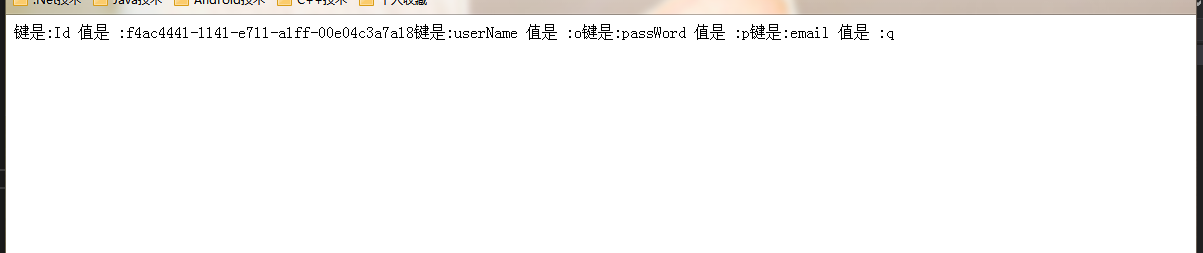
下面贴上测试结果,WEB端请求的是webapi其中涉及到跨域请求问题,采用的是微软的cors包。
需要代码的同学点这里。
PS:采用了autofac IOC框架 automapper 映射框架 Log4Net 日志 ORM是EF 用的是codefirst 运行的时候只需要改web.config的数据库连接就可以了。
链接: 百度 密码: 3baw
DDD领域驱动之干货(三)完结篇!的更多相关文章
- DDD领域驱动之干货(四)补充篇!
距离上一篇DDD系列完结已经过了很长一段时间,项目也搁置了一段时间,想想还是继续完善下去. DDD领域驱动之干货(三)完结篇! 上一篇说到了如何实现uow配合Repository在autofac和au ...
- DDD 领域驱动设计-三个问题思考实体和值对象(续)
上一篇:DDD 领域驱动设计-三个问题思考实体和值对象 说实话,整理现在这一篇博文的想法,在上一篇发布出来的时候就有了,但到现在才动起笔来,而且写之前又反复读了上一篇博文的内容及评论,然后去收集资料, ...
- DDD 领域驱动设计-三个问题思考实体和值对象
消息场景:用户 A 发送一个消息给用户 B,用户 B 回复一个消息给用户 A... 现有设计:消息设计为实体并为聚合根,发件人.收件人设计为值对象. 三个问题: 实体最重要的特性是什么? Messag ...
- [转] DDD领域驱动设计(三) 之 理论知识收集汇总
最近一直在学习领域驱动设计(DDD)的理论知识,从网上搜集了一些个人认为比较有价值的东西,贴出来和大家分享一下: 我一直觉得不要盲目相信权威,比如不能一谈起领域驱动设计,就一定认为国外的那个Eric ...
- DDD领域驱动之干货 (一)
说道DDD不得不说传统的架构与DDD的架构区别. 传统的架构不外乎就是三层,而在这三层里面又不断的细分,始终没有达到想要的效果,那么为什么当时还是采用三层. 当然在DDD没有提出的时候三层是大多数人的 ...
- DDD领域驱动之干货(二)
基于仓储的实现 1.前言:本着第一节写的有些糊涂,主要是自己喜欢实干,不太喜欢用文字表述,就这样吧.下面切入正题. 博客园里面有很多的大佬,我这里就不一一解释概览,有兴趣的朋友可以去看大佬们写的 ...
- [0] DDD领域驱动设计(三) 之 聚合(根)、实体、值对象
1. 聚合根.实体.值对象的区别? 从标识的角度: 聚合根具有全局的唯一标识,而实体只有在聚合内部有唯一的本地标识,值对象没有唯一标识,不存在这个值对象或那个值对象的说法: 从是否只读的角度 ...
- DDD领域驱动之干活(四)补充篇!
距离上一篇DDD系列完结已经过了很长一段时间,项目也搁置了一段时间,想想还是继续完善下去. DDD领域驱动之干货(三)完结篇! 上一篇说到了如何实现uow配合Repository在autofac和au ...
- DDD 领域驱动设计-“臆想”中的实体和值对象
其他博文: DDD 领域驱动设计-三个问题思考实体和值对象 DDD 领域驱动设计-三个问题思考实体和值对象(续) 以下内容属于博主"臆想",如有不当,请别当真. 扯淡开始: 诺兰的 ...
随机推荐
- Linux Smaba服务器配置
Linux系统默认已经安装了Samba,但是没有安装Samba服务: 1,先查看安装情况:rpm -qa|grep samba 根据系统的安装情况选择下载或者通过光驱安装所缺的rpm包. 我的安装情况 ...
- Java与面向对象之随感(2)
我们知道Java语言的一大特性就是相比于c语言和c++语言,其更加安全.那么Java安全性的一个重要保证就是它取消了指针,并且坚决反对数组的出界(c++对当数组超出上限但是还进行读写操作时允许的!), ...
- Code First约定-Fluent API配置
转自:http://blog.163.com/m13864039250_1/blog/static/2138652482015283397609/ 用Fluent API 配置/映射属性和类型 简介 ...
- NOIP2015游记——一次开心又失望的旅行
啊,一年一度的NOIP终于是结束了 以前的大神都有写自己的感受 然而我居然给忘了!!!! 吓得我赶紧来写一份游记 Day.-INF--出发前一个星期 机智的我选择了停课 就是为了OIER这伟大而又光荣 ...
- 拍照、本地图片工具类(兼容至Android7.0)
拍照.本地图片工具类:解决了4.4以上剪裁会提示"找不到文件"和6.0动态授予权限,及7.0报FileUriExposedException异常问题. package com.hb ...
- css系列(布局):实现一个元素在浏览器中水平、垂直居中的几个方案
在开发中偶遇需要一个元素垂直居中的需求,之前都是水平居中,垂直居中使用的比较少,经过一通研究,选择了几种相对比较实用的方案分享,抛砖引玉,如有遗漏不足,还望不吝指正. 方案一(IE7下该方案无法实现垂 ...
- javaweb项目中发布webservices服务
1.新建一个项目动态web项目Axis2Server. 2.解压缩下载的axis2-1.7.4-war.zip文件--〉axis2-1.7.4-war--〉axis2.war--〉axis2,找到WE ...
- 【转】JDBC学习笔记(4)——PreparedStatement的使用
转自:http://www.cnblogs.com/ysw-go/ PreparedStatement public interface PreparedStatement extends State ...
- androidStudio通过svn进行版本控制
andoridStudio配置使用svn(以windows为例) 1.先安装svn客户端程序,TortoiseSVN,注意安装过程中要勾选command line client tools(默认是不安 ...
- java 内存管理 —— 《Hotspot内存管理白皮书》
说明 要学习Java或者任意一门技术,我觉得最好的是从官网的资料开始学习.官网所给出的资料总是最权威最知道来龙去脉的.而Java中间,垃圾回收与内存管理是Java中非常重要的一部分.<Hot ...