
HBase源码学习系列
转自:http://www.cnblogs.com/cenyuhai/tag/hbase%E6%BA%90%E7%A0%81%E7%B3%BB%E5%88%97/ (mark)
hbase源码系列(十)HLog与日志恢复
HLog概述
hbase在写入数据之前会先写入MemStore,成功了再写入HLog,当MemStore的数据丢失的时候,还可以用HLog的数据来进行恢复,下面先看看HLog的图。
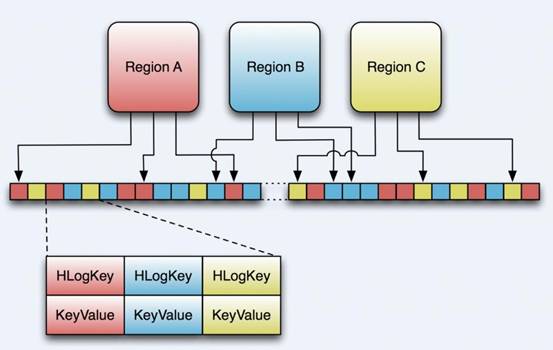
旧版的HLog是实际上是一个SequceneFile,0.96的已经使用Protobuf来进行序列化了。从Writer和Reader上来看HLog的都是Entry的,换句话说就是,它的每一条记录就是一个Entry。
class Entry implements Writable {

    private WALEdit edit;

    private HLogKey key;

}
所以上面那个图已经不准确了,HLogKey没变,但是Value缺不是KeyValue,而是WALEdit。
下面我们看看HLogKey的五要素,region、tableName、log的顺序、写入时间戳、集群id。

public HLogKey(final byte [] encodedRegionName, final TableName tablename,

      long logSeqNum, final long now, List<UUID> clusterIds){

    init(encodedRegionName, tablename, logSeqNum, now, clusterIds);

 }

protected void init(final byte [] encodedRegionName, final TableName tablename,

      long logSeqNum, final long now, List<UUID> clusterIds) {

    this.logSeqNum = logSeqNum;

    this.writeTime = now;

    this.clusterIds = clusterIds;

    this.encodedRegionName = encodedRegionName;

    this.tablename = tablename;

 }
下面看看WALEdit的属性, 这里只列出来一个重要的,它是内部持有的一群KeyValue。。
public class WALEdit implements Writable, HeapSize {

  ......private final ArrayList<KeyValue> kvs = new ArrayList<KeyValue>();
HLog的具体实现类是FSHLog,一个Region Server有两个FSHLog,一个负责RS上面所有的用户region的日志,一个负责RS上面的META表的region的日志。
对于日志来说,我们关心的是它如何保证一致性和准确性,在需要它的时候可以发挥救命作用。
HLog同步
对于meta region的HLog写入之后,它会立即同步到硬盘,非meta表的region,它会先把Entry添加到一个队列里面等待同步。
while(!this.isInterrupted() && !closeLogSyncer.get()) {

          try {

            if (unflushedEntries.get() <= syncedTillHere) {

              synchronized (closeLogSyncer) {

                closeLogSyncer.wait(this.optionalFlushInterval);

              }

            }// 同步已经添加的entry
            sync();

          } catch (IOException e) {

            LOG.error("Error while syncing, requesting close of hlog ", e);

            requestLogRoll();

            Threads.sleep(this.optionalFlushInterval);

          }

}
它这里是有一个判断条件的,如果判断条件不成立就立即同步,等待this.optionalFlushInterval时间,默认的同步间隔是1000,它是通过参数hbase.regionserver.optionallogflushinterval设置。unflushedEntries是一个AtomicLong在写入entry的时候递增,syncedTillHere是一个volatile long,同步完成之后也是变大,因为可能被多个线程调用同步操作,所以它是volatile的,从条件上来看,如果没有日志需要同步就等待一秒再进行判断,如果有日志需要同步,也是立马就写入硬盘的,如果发生错误,就是调用requestLogRoll方法,进行回滚,这个回滚比较有意思,它是跑过去flush掉MemStore中的数据,把他们写入硬盘。
下面是回滚的方法。中间我忽略了几步,然后找到LogRoller中的这段代码。
byte [][] regionsToFlush = getWAL().rollWriter(rollLog.get());

        if (regionsToFlush != null) {

          for (byte [] r: regionsToFlush) scheduleFlush(r);

}
找出来需要flush的region,然后计划flush。
regions = findMemstoresWithEditsEqualOrOlderThan(this.outputfiles.firstKey(),

          this.oldestUnflushedSeqNums);

static byte[][] findMemstoresWithEditsEqualOrOlderThan(

      final long walSeqNum, final Map<byte[], Long> regionsToSeqNums) {

    List<byte[]> regions = null;

    for (Map.Entry<byte[], Long> e : regionsToSeqNums.entrySet()) {

      //逐个对比,找出小于已输出为文件的最小的seq id的region

      if (e.getValue().longValue() <= walSeqNum) {

        if (regions == null) regions = new ArrayList<byte[]>();

        regions.add(e.getKey());

      }

    }

    return regions == null ? null : regions

        .toArray(new byte[][] { HConstants.EMPTY_BYTE_ARRAY });

}
逐个对比,找出来未flush MemStore的比输出的文件的HLog流水号还小的region,当它准备flush MemStore之前会调用startCacheFlush方法来把region从oldestUnflushedSeqNums这个map当中去除,添加到已经flush的map当中。
从日志恢复
看过《HMaster启动过程》的童鞋都知道,如果之前有region失败的话,在启动之前会把之前的HLog进行split,把属于该region的为flush过的日志提取出来,然后生成一个新的HLog到recovered.edits目录下,中间的过程控制那块有点儿类似于snapshot的那种,在zk里面建立一个splitWAL节点,在这个节点下面建立任务,不一样的是,snapshot那块是自己处理自己的,这里是别人的闲事它也管,处理完了之后就更新这个任务的状态了,没有snapshot那么复杂的交互过程。
那啥时候会用到这个呢,在region打开的时候,我们从HRegionServer的openRegion方法一路跟踪,中间历经OpenMetaHandler,再到HRegion.openHRegion方法,终于在initializeRegionStores方法里面找到了那么一句话。
    // 如果recovered.edits有日志的话,就恢复日志

    maxSeqId = Math.max(maxSeqId, replayRecoveredEditsIfAny(

        this.fs.getRegionDir(), maxSeqIdInStores, reporter, status));
高潮来了!!!
    HLog.Reader reader = null;

    try {

      //创建reader读取hlog

      reader = HLogFactory.createReader(fs, edits, conf);

      long currentEditSeqId = -1;

      long firstSeqIdInLog = -1;

      long skippedEdits = 0;

      long editsCount = 0;

      long intervalEdits = 0;

      HLog.Entry entry;

      Store store = null;

      boolean reported_once = false;

      try {//逐个读取

        while ((entry = reader.next()) != null) {

          HLogKey key = entry.getKey();

          WALEdit val = entry.getEdit();

          //实例化firstSeqIdInLog

          if (firstSeqIdInLog == -1) {

            firstSeqIdInLog = key.getLogSeqNum();

          }

          boolean flush = false;

          for (KeyValue kv: val.getKeyValues()) {

            // 从WALEdits里面取出kvs

            if (kv.matchingFamily(WALEdit.METAFAMILY) ||

                !Bytes.equals(key.getEncodedRegionName(),

                  this.getRegionInfo().getEncodedNameAsBytes())) {//是meta表的kv就有compaction

              CompactionDescriptor compaction = WALEdit.getCompaction(kv);

              if (compaction != null) {

                //完成compaction未完成的事情,校验输入输出文件,完成文件替换等操作

                completeCompactionMarker(compaction);

              }

              skippedEdits++;

              continue;

            }

            // 获得kv对应的store

            if (store == null || !kv.matchingFamily(store.getFamily().getName())) {

              store = this.stores.get(kv.getFamily());

            }

            if (store == null) {

              // 应该不会发生,缺少它对应的列族

              skippedEdits++;

              continue;

            }

            // seq id小,呵呵,说明已经被处理过了这个日志

            if (key.getLogSeqNum() <= maxSeqIdInStores.get(store.getFamily().getName())) {

              skippedEdits++;

              continue;

            }

            currentEditSeqId = key.getLogSeqNum();
            // 这个就是我们要处理的日志,添加到MemStore里面就ok了

            flush = restoreEdit(store, kv);

            editsCount++;

          }

          //MemStore太大了,需要flush掉

          if (flush) internalFlushcache(null, currentEditSeqId, status);

         }

      } catch (IOException ioe) {

        // 就是把名字改了,然后在后面加上".时间戳",这个有毛意思?
        if (ioe.getCause() instanceof ParseException) {

          Path p = HLogUtil.moveAsideBadEditsFile(fs, edits);

          msg = "File corruption encountered!  " +

              "Continuing, but renaming " + edits + " as " + p;

        } else {// 不知道是啥错误,抛错误吧,处理不了

          throw ioe;

        }

      }

      status.markComplete(msg);

      return currentEditSeqId;

    } finally {

      status.cleanup();

      if (reader != null) {

         reader.close();

      }

    }
呵呵,读取recovered.edits下面的日志,符合条件的就加到MemStore里面去,完成之后,就把这些文件删掉。大家也看到了,这里通篇讲到一个logSeqNum,哪里都有它的身影,它实际上是FSHLog当中的一个递增的AtomicLong,每当往FSLog里面写入一条日志的时候,它都会加一,然后MemStore请求flush的时候,会调用FSLog的startCacheFlush方法,获取(logSeqNum+1)回来,然后写入到StoreFile的sequenceid字段,再次拿出来的时候,就遍历这个HStore下面的StoreFile的logSeqNum,取出来最大的跟它比较,小于它的都已经写过了,没必要再写了。
好了,HLog结束了,累死我了,要睡了。
HBase源码学习系列的更多相关文章
- JDK源码学习系列05----LinkedList
JDK源码学习系列05----LinkedList 1.LinkedList简介 LinkedList是基于双向链表实 ...
- JDK源码学习系列04----ArrayList
JDK源码学习系列04----ArrayList 1. ...
- JDK源码学习系列03----StringBuffer+StringBuilder
JDK源码学习系列03----StringBuffer+StringBuilder 由于前面学习了StringBuffer和StringBuilder的父类A ...
- JDK源码学习系列02----AbstractStringBuilder
JDK源码学习系列02----AbstractStringBuilder 因为看StringBuffer 和 StringBuilder 的源码时发现两者都继承了AbstractStringBuil ...
- JDK源码学习系列01----String
JDK源码学习系列01----String 写在最前面: 这是我JDK源码学习系列的第一篇博文,我知道 ...
- 源码学习系列之SpringBoot自动配置(篇一)
源码学习系列之SpringBoot自动配置源码学习(篇一) ok,本博客尝试跟一下Springboot的自动配置源码,做一下笔记记录,自动配置是Springboot的一个很关键的特性,也容易被忽略的属 ...
- 源码学习系列之SpringBoot自动配置(篇二)
源码学习系列之SpringBoot自动配置(篇二)之HttpEncodingAutoConfiguration 源码分析 继上一篇博客源码学习系列之SpringBoot自动配置(篇一)之后,本博客继续 ...
- SpringBoot源码学习系列之SpringMVC自动配置
目录 1.ContentNegotiatingViewResolver 2.静态资源 3.自动注册 Converter, GenericConverter, and Formatter beans. ...
- SpringBoot源码学习系列之异常处理自动配置
SpringBoot源码学习系列之异常处理自动配置 1.源码学习 先给个SpringBoot中的异常例子,假如访问一个错误链接,让其返回404页面 在浏览器访问: 而在其它的客户端软件,比如postm ...
随机推荐
- Arrays.asList的用法
使用工具类Arrays.asList()把数组转换成集合时,不能使用其修改集合相关的方法,它的add/remove/clear方法会抛出UnsupportOperationException异常说明: ...
- Android画图最基本的三个对象(Color,Paint,Canvas)
Android画图最基本的三个对象(Color,Paint,Canvas) 三个类都存放在 android.graphics包下 1) Color :颜色对象,相当于现实生活中的 ‘调料’ 2) Pa ...
- Vertica7 Native Connection Load Balance
原文链接:Vertica7 Native Connection Load Balance 在Vertica7曾经的版本号中,Vertica是通过Linux的Virtual IP来实现连接的负载均衡的, ...
- xampp集成包如何重置mysql的密码
转自:http://blog.sina.com.cn/s/blog_4b2bcac501013s4l.html 安装使用xampp,装好后root默认没有密码,phpmyadmin是用config文件 ...
- ‘close’ was not declared in this scope
‘close’ was not declared in this scope ‘read’ was not declared in this scope ‘sysconf’ was not decla ...
- Learn X in Y minutes Where X=c++
http://learnxinyminutes.com/docs/c++/ C++ is a systems programming language that, according to its i ...
- 按钮CSS样式
CreateTime--2017年5月5日11:23:18Author:Marydon 按钮CSS样式 实现效果: <input type="button" onclic ...
- Yii::记录日志到自定义文件
默认情况下,Yii::log($msg, $level, $category)会把日志记录到runtime/application.log文件中 日志格式如下: [时间] - [级别] - [类别] ...
- 用bcdedit.exe重建bcd
使用下面方法之前需要bcdedit.exe和bootsect.exe两个文件,bootsect.exe文件在vista和windows 7的安装光盘的boot目录下,而bcdedit.exe文件可以在 ...
- 转 多线程 闭锁(Latch) 栅栏(CyclicBarrier)
java多线程并发系列之闭锁(Latch)和栅栏(CyclicBarrier) 标签: java并发编程 2015-05-28 16:45 2939人阅读 评论(0) 收藏 举报 本文章已收录于: . ...