
curator框架的使用以及实现分布式锁等应用与zkclient操作zookeeper,简化复杂原生API
打开zookeeper集群
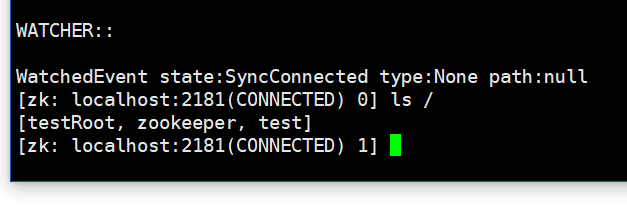
先体会一下原生API有多麻烦(可略过):
//地址

    static final String ADDR = "192.168.171.128:2181,192.168.171.129:2181,192.168.171.130:2181";

    //session超时时间

    static final int SESSION_OUTTIME = 2000;//ms

    /**

     * 信号量,阻塞程序执行,用于等待zookeeper连接(异步的)成功,发送成功信号

     */

    static final CountDownLatch connectedSemaphore = new CountDownLatch(1);

    public static void main(String[] args) throws Exception {

        //创建zk客户端(异步连接)   Watcher:监听连接

        ZooKeeper zooKeeper = new ZooKeeper(ADDR, SESSION_OUTTIME, new Watcher() {

            @Override

            public void process(WatchedEvent watchedEvent) {

                //获取事件的状态

                Event.KeeperState keeperState = watchedEvent.getState();

                Event.EventType eventType = watchedEvent.getType();

                //如果是建立连接

                if(Event.KeeperState.SyncConnected == keeperState){

                    if(Event.EventType.None == eventType){

                        //如果建立连接成功,则发送信号量,让后续阻塞程序向下执行

                        connectedSemaphore.countDown();

                        System.out.println("zk 建立连接");

                    }

                }

            }

        });

        //进行阻塞,等待zk连接成功

        connectedSemaphore.await();

        //连接成功执行操作:

        //同步     路径(不允许递归创建), 数据  权限, 类型(PERSISTENT:持久) :临时节点只是一次session有效,用来实现分布式锁

        String name = zooKeeper.create("/testRoot", "test".getBytes(), ZooDefs.Ids.OPEN_ACL_UNSAFE, CreateMode.PERSISTENT);

        String name1 = zooKeeper.create("/testRoot/child02", "test".getBytes(), ZooDefs.Ids.OPEN_ACL_UNSAFE, CreateMode.PERSISTENT);

        //异步   回调函数   , 回调的参数

        zooKeeper.create("/testRoot/child01", "test".getBytes(), ZooDefs.Ids.OPEN_ACL_UNSAFE, CreateMode.PERSISTENT,

                new AsyncCallback.StringCallback() {

                    @Override   //服务端响应吗: 0 成功   传入的path   参数  实际创建的path

                    public void processResult(int i, String s, Object o, String s1) {

                        System.out.println(i+" "+s+" "+o.toString()+" "+s1); }},"param");

        //删除 (路径必须是叶子节点,即没有下一级节点,不支持递归)

        //zooKeeper.delete("/testRoot/child01", -1);//版本号:-1表示删除所有的,像git一样,修改一次版本号加一,可删除指定版本号

        //同样支持异步,和创建一样传入回调

        //判断节点是否存在

        System.out.println(zooKeeper.exists("/testRoot/child01", false));//也可传入watch,异步回调等

        //获取

        byte[] data = zooKeeper.getData("/testRoot", false, null);

		System.out.println(new String(data));

		System.out.println(zooKeeper.getChildren("/testRoot", false));

        //修改

        zooKeeper.setData("/testRoot", "modify data root".getBytes(), -1);

		byte[] data1 = zooKeeper.getData("/testRoot", false, null);

		System.out.println(new String(data1));

        Thread.sleep(3000);//休眠防止异步

        zooKeeper.close();//释放资源
zkclient:
  /** zookeeper地址 */

    static final String CONNECT_ADDR = "192.168.171.128:2181,192.168.171.129:2181,192.168.171.130:2181";

    /** session超时时间 */

    static final int SESSION_OUTTIME = 5000;//ms

    public static void main(String[] args) {

        // 创建zkclient实例

        ZkClient zkc=new ZkClient(new ZkConnection(CONNECT_ADDR,SESSION_OUTTIME),10000);

        //增

        zkc.create("/test","测试zkclient",CreateMode.PERSISTENT);// 创建节点,可指定持久或者临时

        zkc.create("/test/heyi","heyi",CreateMode.PERSISTENT);// 创建节点,可指定持久或者临时

        zkc.createEphemeral("/haha","haha");//创建临时节点

        zkc.createPersistent("/test/yaozhen","姚振");//创建持久节点,设置值必须有父节点

        zkc.createPersistent("/320/houzheng",true);//支持递归创建,但是不能设置值,否则会报异常

        //删

        zkc.delete("/test/yaozhen");

        zkc.deleteRecursive("/320");//递归删除,会删除节点下的子节点

        //改

        zkc.writeData("/test","新内容");

        //查

        boolean exists = zkc.exists("/test");

        System.out.println(exists);

        zkc.readData("/jim",true);//如果节点为空返回null

        String readData = zkc.readData("/test");

        System.out.println(readData);

        //获取子节点和阅读子节点数据

        List<String> list = zkc.getChildren("/test");

        for(String p : list){

            System.out.println(p);

            String rp = "/test/" + p;

            String data = zkc.readData(rp);

            System.out.println("节点为:" + rp + ",内容为: " + data);

        }

        int i = zkc.countChildren("/test");//查询子节点数量

        System.out.println(i);
相比之下zkclient简直太简单了!
watcher也特别简单:
子节点监听:
// 创建zkclient实例

        ZkClient zkClient=new ZkClient(new ZkConnection(CONNECT_ADDR,SESSION_OUTTIME),10000);

        System.out.println("-----------");

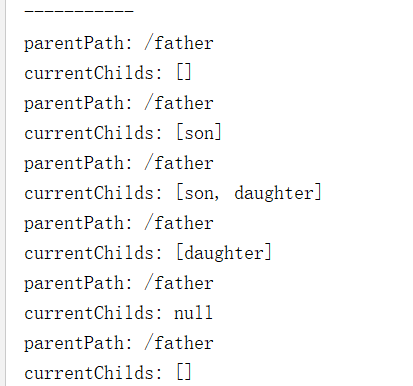
        //监听子节点变化(不监听数据变化,只监听节点的新增删除)  IZkChildListener实现类

        zkClient.subscribeChildChanges("/father",(x,y)->{//x:父路径, y:所有子节点路径集合

            System.out.println("parentPath: " + x);

            System.out.println("currentChilds: " + y);

        });

        Thread.sleep(2000);

        zkClient.createPersistent("/father");//父节点添加删除也会监听

        Thread.sleep(1000);

        zkClient.createPersistent("/father/son","儿子");

        Thread.sleep(1000);

        zkClient.createPersistent("/father/daughter","女儿");

        Thread.sleep(1000);

        zkClient.delete("/father/son");

        Thread.sleep(1000);

        zkClient.deleteRecursive("/father");
节点数据监听:
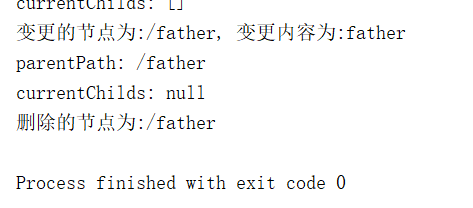
        //监听节点数据变化,监听之前节点必须存在,不监听子节点

        zkClient.createPersistent("/father", "1234");

        zkClient.subscribeDataChanges("/father", new IZkDataListener() {

            @Override   //节点数据变化

            public void handleDataChange(String s, Object o) throws Exception {

                System.out.println("变更的节点为:" + s + ", 变更内容为:" + o);

            }

            @Override  //节点删除

            public void handleDataDeleted(String s) throws Exception {

                System.out.println("删除的节点为:" + s);

            }

        });

        Thread.sleep(3000);

        zkClient.writeData("/father", "father");//-1:最新版本的数据

        Thread.sleep(1000);

        zkClient.delete("/father");//节点删除野人不监听

        Thread.sleep(1000);
状态监听:
        //监听服务连接状态,可手动启动关闭zookeeper查看触发

        zkClient.subscribeStateChanges(new IZkStateListener() {

            @Override

            public void handleStateChanged(Watcher.Event.KeeperState state) throws Exception {

                if(state==Watcher.Event.KeeperState.SyncConnected){

                    System.out.println("连接zookeeper成功");

                }else if(state==Watcher.Event.KeeperState.Disconnected){

                    System.out.println("zookeeper断开");

                }else

                    System.out.println("other"+state);

            }

            @Override //连接关闭,过了session的设置时间,再连接session就会重置,触发监听

            public void handleNewSession() throws Exception {

                System.out.println("newsession");

            }

        });

        Thread.sleep(Integer.MAX_VALUE);//用不关闭线程,一直监听
curator框架:
基本增删改查:
//重试策略:初试时间为1s 重试10次

        RetryPolicy retryPolicy = new ExponentialBackoffRetry(1000, 10);

        //通过工厂建立连接

        CuratorFramework curatorFramework = CuratorFrameworkFactory.builder().connectString(CONNECT_ADDR) //连接地址

                .sessionTimeoutMs(SESSION_OUTTIME)

                .retryPolicy(retryPolicy)//重试策略

                .build();

        curatorFramework.start();//一定要开启连接

        //增  creatingParentsIfNeeded:同时创建父节点  withMode:指定节点类型(不加withMode默认为持久类型节点)

        curatorFramework.create().creatingParentsIfNeeded().withMode(CreateMode.PERSISTENT)

                .forPath("/super/son","儿子".getBytes());//路径、数据内容

        curatorFramework.create().creatingParentsIfNeeded().withMode(CreateMode.PERSISTENT)

                .forPath("/father/son","儿子".getBytes());//路径、数据内容

        //删

        curatorFramework.delete().deletingChildrenIfNeeded().forPath("/super");//递归删除子节点

        //改

        curatorFramework.setData().forPath("/father/son","新儿子".getBytes());

        //查

        byte[] bytes = curatorFramework.getData().forPath("/father/son");

        System.out.println(bytes.toString());

        //查找子节点

        curatorFramework.getChildren().forPath("/father").forEach(x-> System.out.println(x));

        //判断节点是否存在

        Stat stat = curatorFramework.checkExists().forPath("/super");

        System.out.println(stat);//不存在,返回bull

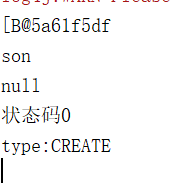
        //使用inBackground 绑定回调函数

        ExecutorService pool = Executors.newCachedThreadPool();

        curatorFramework.create().creatingParentsIfNeeded().withMode(CreateMode.PERSISTENT)

                .inBackground((cf,curatorEvent)->{//BackgroundCallback实现类

                    System.out.println("状态码"+curatorEvent.getResultCode());//0表示成功

                    System.out.println("type:"+curatorEvent.getType());//CREATE

                },pool).forPath("/320/yaozhen","姚振".getBytes());

        //使用线程池做回调

        Thread.sleep(Integer.MAX_VALUE);//等待,方便查看打印输出
监听:
//重试策略:初试时间为1s 重试10次

        RetryPolicy retryPolicy = new ExponentialBackoffRetry(1000, 10);

        //通过工厂建立连接

        CuratorFramework curatorFramework = CuratorFrameworkFactory.builder().connectString(CONNECT_ADDR) //连接地址

                .sessionTimeoutMs(SESSION_OUTTIME)

                .retryPolicy(retryPolicy)//重试策略

                .build();

        curatorFramework.start();

        //建立一个cache缓存,监听节点

        final NodeCache nodeCache = new NodeCache(curatorFramework,"/father");

        nodeCache.start(true);//第一次启动的时候就会立刻在Zookeeper上读取对应节点的数据内容,并保存在Cache中

        //触发事件为创建节点和更新节点,在删除节点的时候并不触发此操作

        nodeCache.getListenable().addListener(()->{ //NodeCacheListener实现类

            System.out.println("路径为:" + nodeCache.getCurrentData().getPath());

            System.out.println("数据为:" + new String(nodeCache.getCurrentData().getData()));

            System.out.println("状态为:" + nodeCache.getCurrentData().getStat());

            System.out.println("---------------------------------------");

        });

        Thread.sleep(1000);

        curatorFramework.create().forPath("/father", "123".getBytes());

        Thread.sleep(1000);

        curatorFramework.setData().forPath("/father", "456".getBytes());

        Thread.sleep(1000);

        curatorFramework.delete().forPath("/father");

        Thread.sleep(Integer.MAX_VALUE);
监听节点
//重试策略:初试时间为1s 重试10次

        RetryPolicy retryPolicy = new ExponentialBackoffRetry(1000, 10);

        //通过工厂建立连接

        CuratorFramework curatorFramework = CuratorFrameworkFactory.builder().connectString(CONNECT_ADDR) //连接地址

                .sessionTimeoutMs(SESSION_OUTTIME)

                .retryPolicy(retryPolicy)//重试策略

                .build();

        curatorFramework.start();

        //监听子节点:建立一个PathChildrenCache缓存,第三个参数为是否接受节点数据内容 如果为false则不接受

        PathChildrenCache cache = new PathChildrenCache(curatorFramework, "/father", true);

        //在初始化的时候就进行缓存监听

        cache.start(PathChildrenCache.StartMode.POST_INITIALIZED_EVENT);

        //监听子节点的新增,修改,删除

        cache.getListenable().addListener((cf,event)-> {//PathChildrenCacheListener实现类

            switch (event.getType()) {

                case CHILD_ADDED:

                    System.out.println("添加子节点 :" + event.getData().getPath());

                    break;

                case CHILD_UPDATED:

                    System.out.println("更新子节点 :" + event.getData().getPath());

                    break;

                case CHILD_REMOVED:

                    System.out.println("删除子节点 :" + event.getData().getPath());

                    break;

                default:

                    break;

            }

        });

        //创建本身节点不发生变化

        curatorFramework.create().forPath("/father", "init".getBytes());

        //添加子节点

        Thread.sleep(1000);

        curatorFramework.create().forPath("/father/c1", "c1内容".getBytes());

        Thread.sleep(1000);

        curatorFramework.create().forPath("/father/c2", "c2内容".getBytes());

        //修改子节点

        Thread.sleep(1000);

        curatorFramework.setData().forPath("/father/c1", "c1更新内容".getBytes());

        //删除子节点

        Thread.sleep(1000);

        curatorFramework.delete().forPath("/father/c2");

        //删除本身节点

        Thread.sleep(1000);

        curatorFramework.delete().deletingChildrenIfNeeded().forPath("/father");

        Thread.sleep(Integer.MAX_VALUE);
监听子节点
分布式锁:
        //重试策略:初试时间为1s 重试10次

        RetryPolicy retryPolicy = new ExponentialBackoffRetry(1000, 10);

        //通过工厂建立连接

        CuratorFramework curatorFramework = CuratorFrameworkFactory.builder().connectString(CONNECT_ADDR) //连接地址

                .sessionTimeoutMs(SESSION_OUTTIME)

                .retryPolicy(retryPolicy)//重试策略

                .build();

        curatorFramework.start();

        //使用分布式锁,所有系统同时监听同一个节点,达到分布式锁的目的

        final InterProcessMutex lock = new InterProcessMutex(curatorFramework, "/test");

        final CountDownLatch countDownLatch = new CountDownLatch(1);

        for (int i = 0; i < 10; i++) {

            new Thread(()->{

                try {

                    countDownLatch.await();//线程等待一起执行

                    lock.acquire();//分布式锁,数据同步

                    //处理业务

                    j--;

                    System.out.println(j);

                } catch (Exception e) {

                    e.printStackTrace();

                } finally {

                    try {//释放锁

                        lock.release();

                    } catch (Exception e) {

                        e.printStackTrace();

                    }

                }

            },"t"+i).start();

        }

        Thread.sleep(1000);

        countDownLatch.countDown();//模拟十个线程一起并发.指定一起执行

    }

    static int j=10;
这里模拟了一下十个线程并发,其实和ReentrantLock效果一样的,但是在分布式中也可以实现同步,而ReentrantLock就不行了
分布式计数器:
和分布式锁其实都是同理:
/** zookeeper地址 */

    static final String CONNECT_ADDR = "192.168.171.128:2181,192.168.171.129:2181,192.168.171.130:2181";

    /** session超时时间 */

    static final int SESSION_OUTTIME = 5000;//ms

    public static void main(String[] args) throws Exception {

        //重试策略:初试时间为1s 重试10次

        RetryPolicy retryPolicy = new ExponentialBackoffRetry(1000, 10);

        //通过工厂建立连接

        CuratorFramework curatorFramework = CuratorFrameworkFactory.builder().connectString(CONNECT_ADDR) //连接地址

                .sessionTimeoutMs(SESSION_OUTTIME)

                .retryPolicy(retryPolicy)//重试策略

                .build();

        curatorFramework.start();

        //分布式计数器

        DistributedAtomicInteger counter=new DistributedAtomicInteger(curatorFramework,"/super",new RetryNTimes(3,100));

        //初始化

        counter.forceSet(0);

        AtomicValue<Integer> value = counter.increment();//原子自增

        System.out.println("原值为"+value.preValue());

        System.out.println("更改后的值为"+value.postValue());

        System.out.println("状态"+value.succeeded());

    }
分布式线程屏障同步:
for (int i = 0; i < 5; i++) {//模拟5个客户端

            new Thread(()->{

                try {

                    RetryPolicy retryPolicy = new ExponentialBackoffRetry(1000, 10);

                    CuratorFramework cf = CuratorFrameworkFactory.builder()

                            .connectString(CONNECT_ADDR)

                            .retryPolicy(retryPolicy)

                            .build();

                    cf.start();

                    //双重同步DistributedDoubleBarrier: 指定5个线程,到了5个会自动触发

                    DistributedDoubleBarrier barrier = new DistributedDoubleBarrier(cf, "/super", 5);

                    Thread.sleep(1000 * (new Random()).nextInt(3));

                    System.out.println(Thread.currentThread().getName() + "已经准备");

                    barrier.enter();//准备,等待成员到达5个再一起往下执行

                    System.out.println("同时开始运行...");

                    Thread.sleep(1000 * (new Random()).nextInt(3));

                    System.out.println(Thread.currentThread().getName() + "运行完毕");

                    barrier.leave();//再次等待准备退出,5个都是leave状态时再一起退出

                    System.out.println("同时退出运行...");

                } catch (Exception e) {

                    e.printStackTrace();

                }

            },"t" + i).start();

        }
和java中CyicrBarrier一模一样,只是支持分布式
static DistributedBarrier barrier;

    public static void main(String[] args) throws Exception {

        for(int i = 0; i < 5; i++){

            new Thread(()-> {

                    try {

                        RetryPolicy retryPolicy = new ExponentialBackoffRetry(1000, 10);

                        CuratorFramework cf = CuratorFrameworkFactory.builder()

                                .connectString(CONNECT_ADDR)

                                .sessionTimeoutMs(SESSION_OUTTIME)

                                .retryPolicy(retryPolicy)

                                .build();

                        cf.start();

                        barrier = new DistributedBarrier(cf, "/test");

                        System.out.println(Thread.currentThread().getName() + "设置barrier!");

                        barrier.setBarrier();//设置

                        barrier.waitOnBarrier();	//等待Barrier释放,准备一起执行

                        System.out.println("---------开始执行程序----------");

                    } catch (Exception e) {

                        e.printStackTrace();

                    }

            },"t" + i).start();

        }

        Thread.sleep(10000);

        if(barrier != null){

            System.out.println("启动所有线程");

            barrier.removeBarrier();//删除屏障

        }

    }
最后一个是只实现同时执行的,很奇怪,实际练习中开始执行程序这就是不执行,线程也一直卡在折了,启动这块都打印了!还得再研究下!
curator框架的使用以及实现分布式锁等应用与zkclient操作zookeeper,简化复杂原生API的更多相关文章
- 分布式锁实现(二):Zookeeper
目录 前言 设计实现 一.基本算法 二.关键点 临时有序节点 监听 三.代码实现 Curator源码分析 一.基本使用 二.源码分析 后记 前言 紧跟上文的:分布式锁实现(一):Redis ,这篇我们 ...
- zookeeper实现分布式锁总结,看这一篇足矣(设计模式应用实战)
分布式锁纵观网络各种各样的帖子层出不穷,笔者查阅很多资料发现一个问题,有些文章只写原理并没有具体实现,有些文章虽然写了实现但是并不全面 借这个周末给大家做一个总结,代码拿来就可以用并且每一种实现都经过 ...
- 整理分布式锁:业务场景&分布式锁家族&实现原理
1.引入业务场景 业务场景一出现: 因为小T刚接手项目,正在吭哧吭哧对熟悉着代码.部署架构.在看代码过程中发现,下单这块代码可能会出现问题,这可是分布式部署的,如果多个用户同时购买同一个商品,就可能导 ...
- Zookeeper+Curator 分布式锁
本来想着基于zk临时节点,实现一下分布式锁,结果发现有curator框架.PS:原声API真的难用,连递归创建path都没有? 配置curator maven的时候,md配置了好几个小时,最后发现集中 ...
- Curator实现zookeeper分布式锁的基本原理
一.写在前面 之前写过一篇文章(<拜托,面试请不要再问我Redis分布式锁的实现原理>),给大家说了一下Redisson这个开源框架是如何实现Redis分布式锁原理的,这篇文章再给大家聊一 ...
- ZooKeeper 分布式锁 Curator 源码 01:可重入锁
前言 一般工作中常用的分布式锁,就是基于 Redis 和 ZooKeeper,前面已经介绍完了 Redisson 锁相关的源码,下面一起看看基于 ZooKeeper 的锁.也就是 Curator 这个 ...
- curator教程二——分布式锁
简介 在分布式环境下,为了防止多个服务同时修改同一个值,出现数据同步问题,通常用redis和zookeeper做分布式锁,在这里我们用zookeeper做分布式锁,并和单点环境中ReenTranL ...
- 使用ZooKeeper实现Java跨JVM的分布式锁
一.使用ZooKeeper实现Java跨JVM的分布式锁 二.使用ZooKeeper实现Java跨JVM的分布式锁(优化构思) 三.使用ZooKeeper实现Java跨JVM的分布式锁(读写锁) 说明 ...
- SpringBoot电商项目实战 — Zookeeper的分布式锁实现
上一篇演示了基于Redis的Redisson分布式锁实现,那今天我要再来说说基于Zookeeper的分布式现实. Zookeeper分布式锁实现 要用Zookeeper实现分布式锁,我就不得不说说zo ...
随机推荐
- double 和 im2double 的区别
double 就是简单地把一个变量类型转换成double型,数值大小不变. 函数im2double将输入换成double类型.如果输入是unit8,unit16或者是二值的logical类型,则函数i ...
- NIO - 三大组件
NIO 概述 NIO有三个核心组件: 通道(Channels) 缓存(Buffers) 选择器(Selectors) 实际上,NIO的组件和类远不止这三个,但这个三个组件是核心.至于其它组件,例如Pi ...
- java链表的各种操作
java里面没有指针的说法,所以初始化的时候,就是新建一个null节点就是一个空链表了.//C里面链表会有头指针,头指针指向头节点 如果想向空链表插入第一个节点,直接head=newNode: 注意的 ...
- 【BZOJ1054】移动玩具(搜索)
[BZOJ1054]移动玩具(搜索) 题面 BZOJ 洛谷 题解 这种小清新搜索题写出来好舒服啊. 要是原来的我来写代码肯定又臭又长吧.. #include<cstdio> #includ ...
- 【转】嵌入式Linux驱动面试题三道
题一: Linux设备中字符设备与块设备有什么主要的区别? 字符设备:字符设备是个能够像字节流(类似文件)一样被访问的设备,由字符设备驱动程序来实现这种特性.字符设备驱动程序通常至少实现open,cl ...
- Eclipse Oxygen(4.7.0)安装插件Eclipse Class Decompiler反编译JAR文件
引用自官方内容 Eclipse Class Decompiler是一款Eclipse插件,整合了多种反编译器,和Eclipse Class Viewer无缝集成,能够很方便的使用插件查看类库源码,进行 ...
- nth-of-type和nth-child
一.nth-of-type.nth-child :nth-of-type(n) 选择器匹配属于父元素的特定类型的第 N 个子元素的每个元素. :nth-child(n) 选择器匹配属于其父元素的第 N ...
- BTC钱包对接流程
BTC钱包对接流程: 部署钱包节点 分析钱包的API 通过JSON-RPC访问钱包API 部署测试 1.部署钱包节点 虚拟币交易平台对接所有的虚拟币之前,都要在自己的服务器上部署一个钱包节点,首先要找 ...
- lumen 单元测试的一些问题
1.一个 test 多个请求 如 $this->post,然后又 $this->post,我们会发现第二个请求中的请求参数是和第一个请求的参数是完全一样的,然后在 Controller ...
- springcloud的fallback与fallbackFactory