
Python数据结构应用3——链表
linked list(链表) 建立
Node
链表的基本组成就是一个个Node,每个Node都需要包括两部分内容,一部分是自身的data,另一部分是下一个Node的reference。
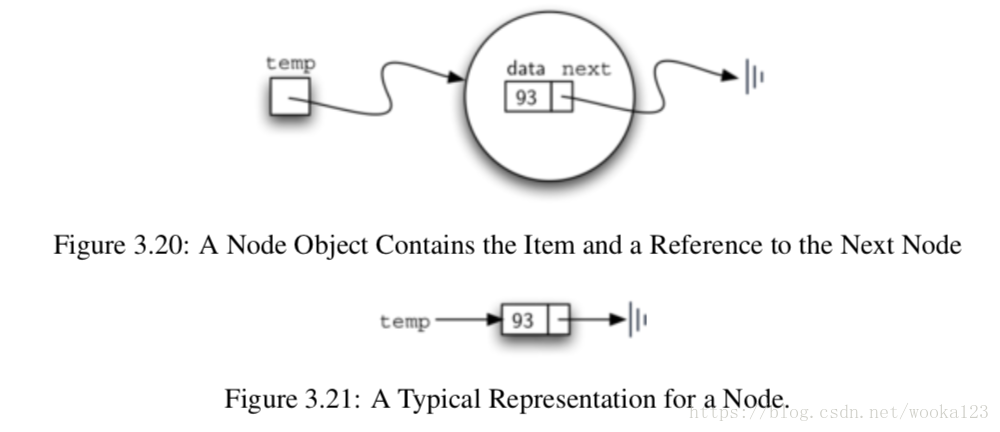
class Node:

    def __init__(self, init_data):

        self.data = init_data

        self.next = None

    def get_data(self):

        return self.data

    def get_next(self):

        return self.next

    def set_data(self, new_data):

        self.data = newdata

    def set_next(self, new_next):

self.next = new_next 每一个链表都有一个Head和一个End结点,End结点的next为None。
无序链表
this list is unordered, the specific location of the new item with respect to the other items already in the list is not important. The new item can go anywhere.
add操作
python链表增加新结点的过程我觉得跟我用C语言写还是有差别的。
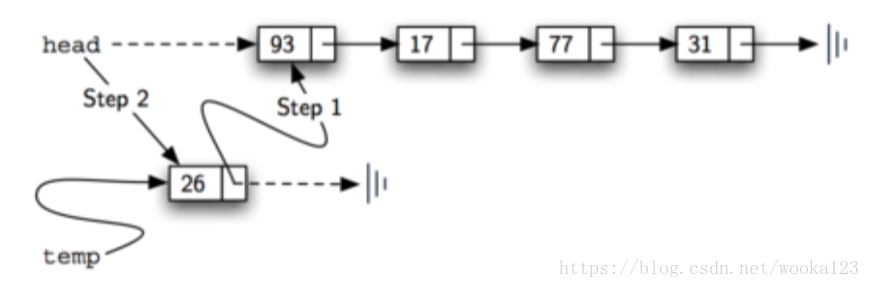
整个过程如图,增加的结点位于链表的头部,也就是说,向前增加新结点:
- 创建新结点
- 将新结点的next指向旧链表的head
- 将新链表的head设为新结点
‘遍历’操作(traverse)
get_next()方法是该操作中主要用到的函数。
size, search, remove 都是基于‘遍历’操作
size操作
- 找到head
- 沿着head一个个摸下去,摸一个count+1
search操作
- 找到head
- 沿着head一个个摸下去,摸到item返回True,摸不到继续往下摸
remove操作
想要remove掉一个node,必须找到此node的前后两个nodes,并把他们这两个nodes连接起来。
- 找到head
- 沿着head一个个摸下去,且实时记录前方的node,摸到对应的item后链接该node的前后两个nodes
- 如果remove的那个node正好是head,则直接把head权给予接下去的那个node
class UnorderList:

    def __init__(self):

        self.head = None

    def is_empty(self):

        return self.head == None

    def add(self, item):

        temp = Node(item)  #创建新结点

        temp.set_next(self.head)  #将新结点链接之前的list

        self.head = temp   #将新结点设为head

    def size(self):

        current = self.head

        count = 0

        while current != None:

            count += count

            current = current.get_next()

        return count

    def search(self, item):

        current = self.head

        found = False

        while current != None and not found:

            if current.get_data() == item:

                found = True

            else:

                current = current.get_next()

        return found

    def remove(self, item):

        current = self.head()

        previous = None

        found = False

        while not found:

            if current.get_data() == item:

                found = True

            else:

                previous = current

                current = current.get_next()

        if previous == None:

            self.head = current.get_next()

        else:

previous.set_next(current.get_next())如果你执行一个insert(0,item)操作在一个list上,时间复杂度为O(n)。 但是对于无序链表来说,执行一个相同的操作是需要O(1)的时间复杂度
有序链表
就是将无序链表中的每个node的data进行了变得有大小顺序了。Node的class没有变化。
class orderList:

    def __init__(self): # 无变化

        self.head = None

    def is_empty(self): # 无变化

        return self.head == None

    def add(self, item):  # 变化最大的在这里

        current = self.head

        previous = None

        stop = False

        while current != None and not stop:

            if current.get_data() > item:

                stop = True

            else:

                previous = current

                current = current.get_next()

        temp = Node(item)

        if previous == None:

            temp.set_next(self.head)

            self.head = temp

        else:

            temp.set_next(current)

            previous.set_next(temp)

    def size(self): # 无变化

        current = self.head

        count = 0

        while current != None:

            count += count

            current = current.get_next()

        return count

    def search(self, item): # 其实基本没变化,stop可有可无

        current = self.head

        found = False

        stop = False

        while current != None and not found and not stop:

            if current.get_data() == item:

                found = True

            else:

                if current.get_data() > item:

                    stop = True

                else:

                    current = current.get_next()

        return found

    def remove(self, item): # 无变化

        current = self.head()

        previous = None

        found = False

        while not found:

            if current.get_data() == item:

                found = True

            else:

                previous = current

                current = current.get_next()

        if previous == None:

            self.head = current.get_next()

        else:

            previous.set_next(current.get_next())
Python数据结构应用3——链表的更多相关文章
- python数据结构与算法——链表
具体的数据结构可以参考下面的这两篇博客: python 数据结构之单链表的实现: http://www.cnblogs.com/yupeng/p/3413763.html python 数据结构之双向 ...
- Python数据结构之单链表
Python数据结构之单链表 单链表有后继结点,无前继结点. 以下实现: 创建单链表 打印单链表 获取单链表的长度 判断单链表是否为空 在单链表后插入数据 获取单链表指定位置的数据 获取单链表指定元素 ...
- python 数据结构之单链表的实现
链表的定义: 链表(linked list)是由一组被称为结点的数据元素组成的数据结构,每个结点都包含结点本身的信息和指向下一个结点的地址.由于每个结点都包含了可以链接起来的地址信息,所以用一个变量就 ...
- python——数据结构之单链表的实现
链表的定义: 链表(linked list)是由一组被称为结点的数据元素组成的数据结构,每个结点都包含结点本身的信息和指向下一个结点的地址.由于每个结点都包含了可以链接起来的地址 信息,所以用一个变量 ...
- Python数据结构——栈的链表实现
自定义链表实现栈的数据结构,代码如下: class Stack: def __init__(self): self._first = None def push(self,item): self._f ...
- Python 数据结构与算法——链表
#构造节点类 class Node(object): def __init__(self,data=None,_next=None): ''' self.data:为自定义的数据 self.next: ...
- python数据结构与算法
最近忙着准备各种笔试的东西,主要看什么数据结构啊,算法啦,balahbalah啊,以前一直就没看过这些,就挑了本简单的<啊哈算法>入门,不过里面的数据结构和算法都是用C语言写的,而自己对p ...
- Python—数据结构——链表
数据结构——链表 一.简介 链表是一种物理存储上非连续,数据元素的逻辑顺序通过链表中的指针链接次序,实现的一种线性存储结构.由一系列节点组成的元素集合.每个节点包含两部分,数据域item和指向下一个节 ...
- Python 数据结构和算法
阅读目录 什么是算法 算法效率衡量 算法分析 常见时间复杂度 Python内置类型性能分析 数据结构 顺序表 链表 栈 队列 双端队列 排序与搜索 冒泡排序 选择排序 插入排序 希尔排序 快速排序 归 ...
随机推荐
- oracle 数据库 date + 1 转载
http://blog.csdn.net/yjp198713/article/details/18131871 oracle 求两个时间点直接的分钟.小时数 1.获得时间差毫秒数: select ce ...
- JQuery DOM操作 、属性和CSS样式操作、其他函数
DOM操作 1.在div1内部最后追加一个节点 $("#div1").append("<img src='../01-HTML基本标签/img/Male.gif'/ ...
- JBOSS的启动和停止
本实例使用的JBOSS版本是jboss-4.2.3.GA 假设条件 1. 已设置好JAVA_HOME环境变量 2. 已下载JBoss并且安装目录为:D:\Java\jboss-4.2.3.GA 启 ...
- Manacher算法解析
Manacher算法 Manachar算法主要是处理字符串中关于回文串的问题的,它可以在 O(n) 的时间处理出以字符串中每一个字符为中心的回文串半径,由于将原字符串处理成两倍长度的新串,在每两个字符 ...
- Ubuntu 18.04 启动root账号并授权远程登录
Ubuntu 18.04 刚刚上市2个月,下载安装,尝尝鲜~ 安装界面看上去舒服许多, 安装的速度也较之前17.04 和16.04 都快了许多.抱歉,未截图. Ubuntu 安装完成后默认不启动roo ...
- 深入理解javascript 匿名函数和闭包
代码如下: (function(){ //这里忽略jQuery所有实现 })(); (function(){ //这里忽略jQuery所有实现 })(); 半年前初次接触jQuery的时候,我也像其 ...
- tomcat项目绑定到域名及运行内存配置
一.tomcat中的项目绑定到域名通过域名访问 1.在tomcat下的conf/server.xml中找到Host修改(1.name为你的域名,2.配置Context中的path为空就是直接访问项目不 ...
- python 要掌握面向对象,你得会做这些题吗?
1,面向对象三大特性,各有什么用处,说说你的理解. 继承:解决代码重用问题 多态:多态性,可以在不考虑对象类型的情况下而直接使用对象 封装:明确的区分内外,控制外部对隐藏属性的操作行为,隔离复杂度 2 ...
- 第一章 C++概述
第一节 C++语言的发展历史 略 第二节 C++语言的特点 1.C++是一种面向对象的程序设计语言,其中的新技术主要包括: 抽象数据类型 封装和信息隐蔽 以继承和派生方式实现程序的重用 以运算符重载和 ...
- Linux的安装(虚拟机环境)与基础配置
一.背景 本文介绍如何安装虚拟机VMware以及如果在虚拟机上安装Linux系统以及Linux安装完毕之后的基础配置 需要准备的东西有VMware以及Linux镜像文件 二.下载安装VMware 下载 ...