
ehcache的基本使用及Spring整合
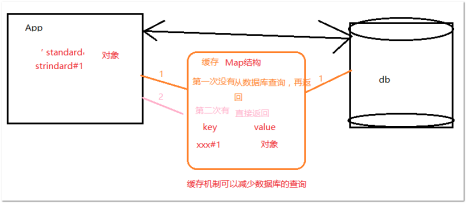
1.ehcache:百度百科这样解释的,EhCache 是一个纯Java的进程内缓存框架,具有快速、精干等特点,是Hibernate中默认的CacheProvider。总的来说,他的出现就是减少对数据库的访问次数。从数据库查询出来的数据放到缓存中,以便下次调用,大大减少了 开销,性能也得到了提高。
特点:
l Java界最出名的缓存框架,主要用于单机缓存,速度很快。
l 进程级别的缓存,多个线程可共享一个缓存数据。
其实现方式如下图所示:
2.简单的解释一下ehcache的核心配置文件
  <!-- 硬盘上缓存的临时目录 -->

     <diskStore path="java.io.tmpdir"/>

     <!--

     maxElementsInMemory:内存中最大存放的元素的个数

     eternal:是否永生,默认是false

     timeToIdleSeconds:发呆闲置的时间,超过该时间,被清除,单位秒

     timeToLiveSeconds:存活的事件,超过该时间被清除

     maxElementsOnDisk:如果内存满了,溢出到硬盘上的临时目录中的存放的元素的个数

     diskExpiryThreadIntervalSeconds:轮询时间,巡视组

     memoryStoreEvictionPolicy:内存对象的清理策略,如果满了,怎么办?

     策略有三个:LRU、LFU、FIFO

     LRU:最少使用被清理,次数

     LFU:时间,闲置最长的时间

     FIFO:管道策略,先进先出

      -->

     <defaultCache

             maxElementsInMemory="10000"

             eternal="false"

             timeToIdleSeconds="120"

             timeToLiveSeconds="120"

             maxElementsOnDisk="10000000"

             diskExpiryThreadIntervalSeconds="120"

             memoryStoreEvictionPolicy="LRU">

         <persistence strategy="localTempSwap"/>

     </defaultCache>
l 如果你的数据只是临时存放到缓存,减轻数据库压力,用默认值就很好
l 如果你的数据要在程序运行过程中一直被查询,则建议将设置为所有的元素被清除,一般用于数据字典。
3.ehcache中的缓存注解
@Cacheable和@CacheEvict来对缓存进行操作
@Cacheable:将方法的返回值放入到缓存中
@CacheEvict:负责清除缓存
4.下面与Spring整合的案列
需求:将菜单数据放入Ehcache中。
4.1.引入坐标
<!-- ehcache的缓存框架 -->

		<dependency>

			<groupId>net.sf.ehcache</groupId>

			<artifactId>ehcache-core</artifactId>

			<version>2.6.10</version>

		</dependency>

		<!-- spring整合第三方框架的 -->

		<dependency>

			<groupId>org.springframework</groupId>

			<artifactId>spring-context-support</artifactId>

			<version>${spring.version}</version>

		</dependency>
4.2.编写配置文件(ehcache文件)
<!-- <ehcache xmlns:xsi="http://www.w3.org/2001/XMLSchema-instance" xsi:noNamespaceSchemaLocation="http://ehcache.org/ehcache.xsd">

 --><ehcache xmlns:xsi="http://www.w3.org/2001/XMLSchema-instance" xsi:noNamespaceSchemaLocation="../config/ehcache.xsd">

    <!-- 磁盘上的缓存的临时目录 ,默认是系统的临时目录,也可以手动指定一个目录-->

    <diskStore path="java.io.tmpdir"/>

    <!-- 默认的缓存区域的默认策略 -->

    <!--

    maxElementsInMemory:内存中元素最大存放的个数

    eternal:缓存的对象是否永生不死。一般都是false。

    timeToIdleSeconds:发呆的时间,多长时间不用,就干掉,秒

    timeToLiveSeconds:存活的时间,活够了就干掉,秒

    maxElementsOnDisk:硬盘上最大存放的元素的个数,如果内存10000个满了,就往硬盘上存。

    memoryStoreEvictionPolicy:内存中存储和销毁元素的策略:默认使用LRU,解决的是缓存元素满了怎么办。

      策略有三个:LRU、LFU、FIFO

    LRU:最少使用被清理,次数

    LFU:时间,闲置最长的时间

    FIFO:管道策略,先进先出

     -->

    <defaultCache

            maxElementsInMemory="10000"

            eternal="false"

            timeToIdleSeconds="120"

            timeToLiveSeconds="120"

            maxElementsOnDisk="10000000"

            diskExpiryThreadIntervalSeconds="120"

            memoryStoreEvictionPolicy="LRU">

        <persistence strategy="localTempSwap"/>

    </defaultCache>

    <!-- Spring整合的菜单缓存 -->

    <cache name="bos_menu_cache"

           maxElementsInMemory="10000"

           eternal="false"

           timeToIdleSeconds="120"

           timeToLiveSeconds="120"

           maxElementsOnDisk="10000000"

           diskExpiryThreadIntervalSeconds="120"

           memoryStoreEvictionPolicy="LRU">

        <persistence strategy="localTempSwap"/>

    </cache>
4.3.Spring整合encache配置文件(需要引入ehcache文件)
<?xml version="1.0" encoding="UTF-8"?>

<beans xmlns="http://www.springframework.org/schema/beans"

       xmlns:xsi="http://www.w3.org/2001/XMLSchema-instance"

       xmlns:context="http://www.springframework.org/schema/context"

       xmlns:cache="http://www.springframework.org/schema/cache"

       xsi:schemaLocation="

                http://www.springframework.org/schema/beans

                http://www.springframework.org/schema/beans/spring-beans.xsd

                http://www.springframework.org/schema/context

                http://www.springframework.org/schema/context/spring-context.xsd

                http://www.springframework.org/schema/cache

                http://www.springframework.org/schema/cache/spring-cache.xsd">

    <!-- 配置ehcache的对象EhCacheManager -->

    <bean id="ehCacheManager" class="org.springframework.cache.ehcache.EhCacheManagerFactoryBean">

        <!-- 注入ehcache核心配置文件的位置  可以不配置,默认找类路径下的ehcache.xml -->

        <property name="configLocation" value="classpath:ehcache.xml" />

    </bean>

    <!-- Spring整合Ehache -->

    <!-- Spring的平台缓存管理器 -->

    <bean id="springCacheManager" class="org.springframework.cache.ehcache.EhCacheCacheManager">

        <!-- 注入ehcache的对象 -->

        <property name="cacheManager" ref="ehCacheManager"></property>

    </bean>

    <!-- spring的缓存注解驱动 -->

    <cache:annotation-driven cache-manager ="springCacheManager" />

</beans>
4.4.在需要操作缓存数据的方法上添加注解
package cn.bos.service.impl.system;

import java.util.List;

import org.springframework.beans.factory.annotation.Autowired;

import org.springframework.cache.annotation.CacheEvict;

import org.springframework.cache.annotation.Cacheable;

import org.springframework.stereotype.Service;

import org.springframework.transaction.annotation.Transactional;

import cn.bos.dao.system.MenuRepository;

import cn.bos.domain.system.Menu;

import cn.bos.domain.system.User;

import cn.bos.service.system.MenuService;

@Service("menuService")

@Transactional

public class MenuServiceImpl implements MenuService{

	@Autowired

	private MenuRepository menuRepository;

	@Override

	public List<Menu> menu_list() {

		return menuRepository.findAll();

	}

	@Override

	//清除所有的缓存

	@CacheEvict(value="bos_menu_cache",allEntries=true)

	public void menu_add(Menu model) {

		if(model.getParentMenu()!=null&&model.getParentMenu().getId()==null){

			model.setParentMenu(null);

		}

		menuRepository.save(model);

	}

	@Override

	//@Cacheable(value="bos_menu_cache")方法的结果放到缓存中

//	使用用户的标号作为缓存的key

	@Cacheable(value="bos_menu_cache",key="#user.id")

	public List<Menu> findMenuByUser(User user) {

//	管理员 所有菜单

		if("admin".equalsIgnoreCase(user.getUsername())){

			return menuRepository.findByOrderByPriority();

		}else{

//			普通用户(显示部分菜单)

			return menuRepository.findByUser(user);

		}

	}

}
注意:实体类中的序列化问题:
序列化的id,用来作为序列化和反序列化的唯一标识,默认的值是根据类的内容计算出来,如果类的内容发生变化,则值会变,例如:反序列化之前,将类改变内容了,那么反序列化将会失败。因此,为了保障反序列化成功,一般将该id的值定死!(随机数)
ehcache的基本使用及Spring整合的更多相关文章
- Spring整合Ehcache管理缓存
前言 Ehcache 是一个成熟的缓存框架,你可以直接使用它来管理你的缓存. Spring 提供了对缓存功能的抽象:即允许绑定不同的缓存解决方案(如Ehcache),但本身不直接提供缓存功能的实现.它 ...
- Spring整合Ehcache管理缓存(转)
目录 前言 概述 安装 Ehcache的使用 HelloWorld范例 Ehcache基本操作 创建CacheManager 添加缓存 删除缓存 实现基本缓存操作 缓存配置 xml方式 API方式 S ...
- Ehcache和Spring整合
Ehcache是使用Java编写的缓存框架,比较常用的是,整合在Hibernate和MyBatis这种关系型数据库持久框架. 不过现在用NoSQL也比较盛行,要应用Ehcache,整合起来就没法按照那 ...
- Spring整合EHCache框架
在Spring中使用缓存可以有效地避免不断地获取相同数据,重复地访问数据库,导致程序性能恶化. 在Spring中已经定义了缓存的CacheManager和Cache接口,只需要实例化便可使用. Spr ...
- 项目一:第十四天 1.在realm中动态授权 2.Shiro整合ehcache 缓存realm中授权信息 3.动态展示菜单数据 4.Quartz定时任务调度框架—Spring整合javamail发送邮件 5.基于poi实现分区导出
1 Shiro整合ehCache缓存授权信息 当需要进行权限校验时候:四种方式url拦截.注解.页面标签.代码级别,当需要验证权限会调用realm中的授权方法 Shiro框架内部整合好缓存管理器, ...
- Spring整合EhCache详解
一.EhCache介绍 EhCache 是一个纯Java的进程内缓存框架,具有快速.精干等特点,是Hibernate中默认的CacheProvider.Ehcache是一种广泛使用的开 源Java分布 ...
- 以Spring整合EhCache为例从根本上了解Spring缓存这件事(转)
前两节"Spring缓存抽象"和"基于注解驱动的缓存"是为了更加清晰的了解Spring缓存机制,整合任何一个缓存实现或者叫缓存供应商都应该了解并清楚前两节,如果 ...
- spring整合ehcache实现缓存
Spring 提供了对缓存功能的抽象:即允许绑定不同的缓存解决方案(如Ehcache),但本身不直接提供缓存功能的实现.它支持注解方式使用缓存,非常方便. spring本身内置了对Cache的支持,之 ...
- Spring整合Shiro做权限控制模块详细案例分析
1.引入Shiro的Maven依赖 <!-- Spring 整合Shiro需要的依赖 --> <dependency> <groupId>org.apache.sh ...
随机推荐
- easyUI中点击datagrid列标题排序
easyUI中点击datagrid的排序有两种,一种是本地的,一种是服务器的.本地的只能排序当前页,而服务器的可以对全部页进行排序.这里主要是分享下服务器排序. 1.为datagrid添加属性remo ...
- Android4.0新控件
谷歌在推出Android4.0的同时推出了一些新控件,Android4.0中最常用的新控件有下面5种. 1. Switch的使用 Switch顾名思义,就是开关的意思,有开和关两种状态. 当Swit ...
- angular4在prod模式下的JIT编译问题
最近利用angular4开发一个项目,由于画面中的显示都是从数据表中读取,通过设置显示FLAG和显示顺序对画面布局按既定规则控制的, 所以必须利用动态编译实现. 方法如下, 1,获取JitCompil ...
- Python selenium 一个节点两个关联input
HTML代码: 一个节点两个关联input 多出现于密码框 先需要模拟点击进入第一个input,才能激活第二个input. 代码: driver.find_element_by_name('Text ...
- 从jvm源码看synchronzied
synchronized的使用 synchronized关键字是Java中解决并发问题的一种常用方法,也是最简单的一种方法,其作用有三个:(1)互斥性:确保线程互斥的访问同步代码(2)可见性:保证共享 ...
- 【三思笔记】 全面学习Oracle分区表及分区索引
[三思笔记]全面学习Oracle分区表及分区索引 2008-04-15 关于分区表和分区索引(About PartitionedTables and Indexes) 对于 10gR2 而言,基本上可 ...
- Javascript原型继承容易忽略的错误
编写Javascript的开发者都知道,JS虽然没有类(ES6添加了class语法),但是可以模拟出OOP语言的类和面向对象的概念,比如我们都知道的一句话,Javascript中处处是对象,而面向对象 ...
- .net 远程调试
1.我们在调试支付接口的时候很多情况下需要请求网关等,这时候需要在服务器上进行调试 首先找到服务器上的msvsmon文件,打开运行,得到对应的端口 然后打开vs,附加进程到远程地址加上端口,然后附加w ...
- mongoDB高级查询$type4array使用解析
今天在使用mongoDB高级查询$type:符号 -- 4代指Array类型发现一个问题. $type符号: $type操作符是基于BSON类型来检索集合中匹配的数据类型,并返回结果. 下面是mong ...
- Javascript Sting(字符串)对象
一, 如何计算字符串的长度? 可以通过.length属性来计算 <script type="text/javascript"> var txt="Hello ...