
spring-boot-learning-REST风格网站
什么是REST风格:
Representational State Transfer :表现层状态转换,实际上是一种风格。标准,约定
首先需要有资源才能表现, 所以第一个名词是“ 资源”。有了资源也要根
据需要以合适的形式表现资源,这就是第二个名词一一表现层。最后是资源可以被新增、修改、删
除等,也就是第三个名词“状态转换”。
资源: 它可以是系统权限用户、角色和菜单等,也可以是一些媒体类型, 如文本、图片、歌曲,总之它就是一个具体存在的
对象。可以用一个URI ( Unifonn Resource Identifier ,统一资源定位符)指向它, 每个资源对应一个特定的U阳。
要获取这个资源, 访问它的U阳即可,而在REST 中每一个资源都会对应一个独一无二的U阻。在阻ST 中, URI 也可以称
为端点(End Point ) 。
表现层: 有了资源还需要确定如何表现这个资源。例如, 一个用户可以使用JSON 、XML 或者其他的形式表现出来,又如
可能返回的是一幅图片。在现今的互联网开发中, JSON 数据集己经是一种最常用的表现形式
REST风格当中,每一个资源都只是对应一个网址,而一个资源网址应该是一个名词,不存在动词。
URI (Unifonn Resource Identifier)统一资源定位符
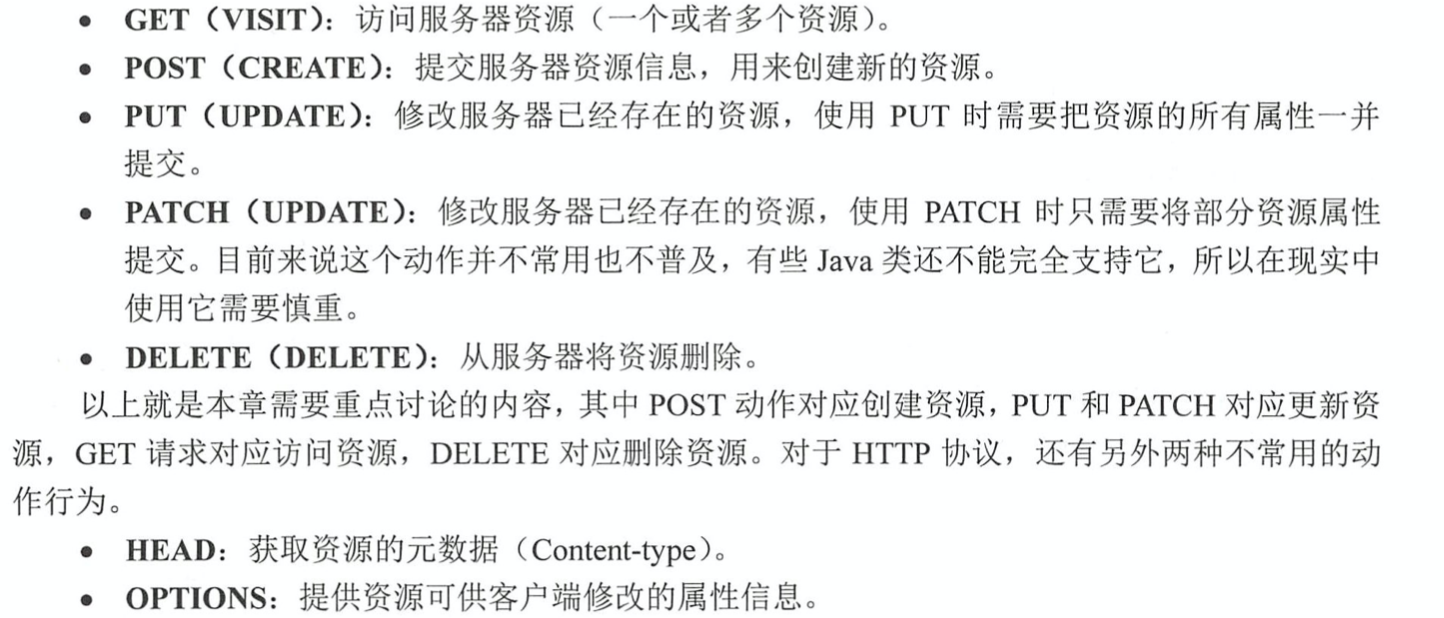
REST风格其实就是一种约定问题,不同的http请求对应的不同的资源操作,
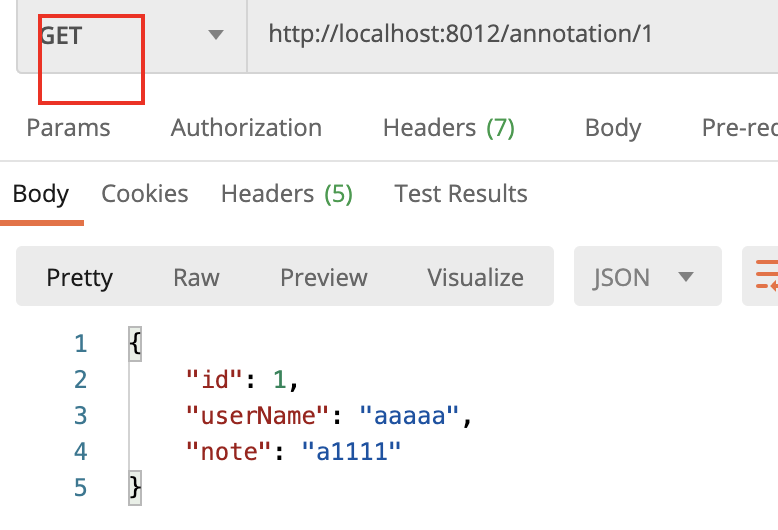
@GetMapping
/**

 * RestController,作用是使返回的结果能够以json数据集的方法进行返回

 * 转换为JSTL或者json

 * 11默认将方法或者类标注为application/json;charset=UTF-8

 * 22方法执行结束后,spring会遍历注册号的HttpMessageConverter接口

 * 的实现类。

 * 33注册好的MappingJackson2HttpMessageConverter就会放回true,

 *      启动转换器将结果转换为JSON数据集

 */

@RestController

@RequestMapping("annotation")

public class RedisUserController {

    @Autowired

    private UserService userService =null;

    /**

     * http的get请求,获取资源

     * @param id

     * @return

     */

    @GetMapping("/{id}")

    public User getUser(@PathVariable("id") Long id){

        System.out.println(System.currentTimeMillis());

        User user = userService.getUser(id);

        System.out.println(System.currentTimeMillis());

        return user;

    }
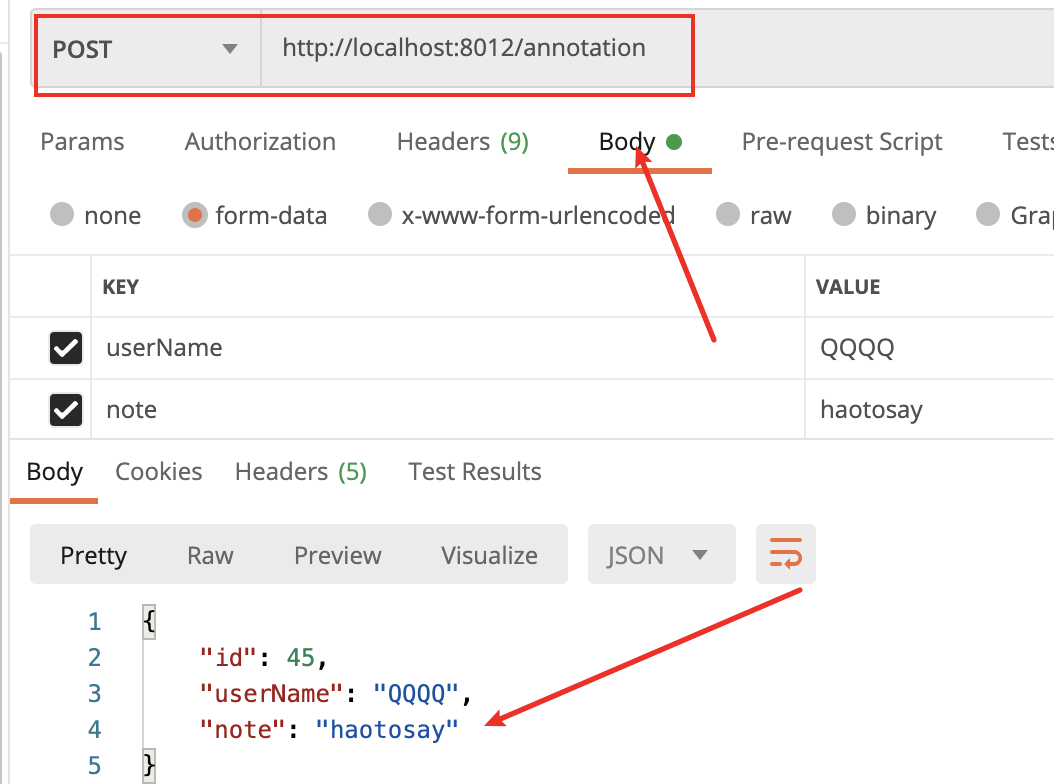
请求:
@PostMapping
   /**

     * http的post请求,创建资源

     * @param userName

     * @param note

     * @return

     */

    @PostMapping()

    public User insertUser(

            @RequestParam ("userName") String userName,

            @RequestParam ("note") String note

    ){

        User user = new User();

        user.setUserName(userName);

        user.setNote(note);

        userService.insertUser(user);

        return user;

    }
请求结果;
@DeleteMapping
 /**

     * http的Delete请求,删除服务器资源

     * @param id

     * @return

     */

    @DeleteMapping("{id}")

    public int delUser(@PathVariable("id") Long id){

        return userService.deleteUser(id);

    }
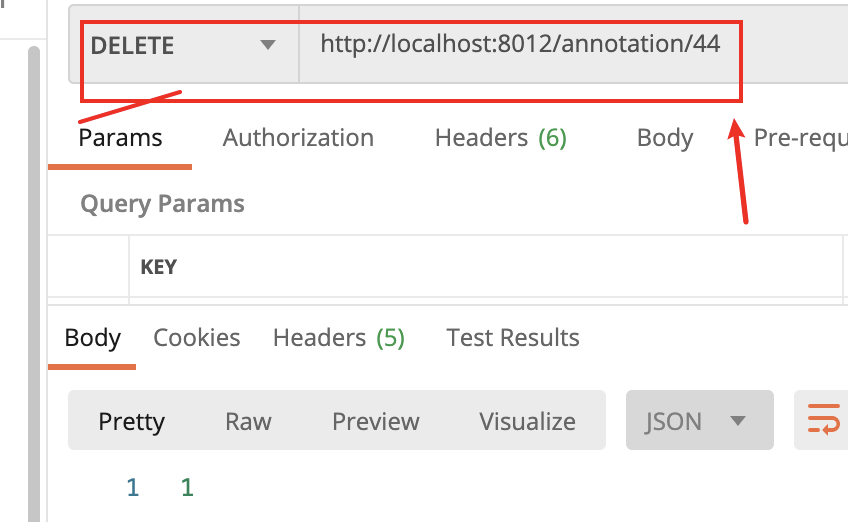
从数据库中删除了id为44员工
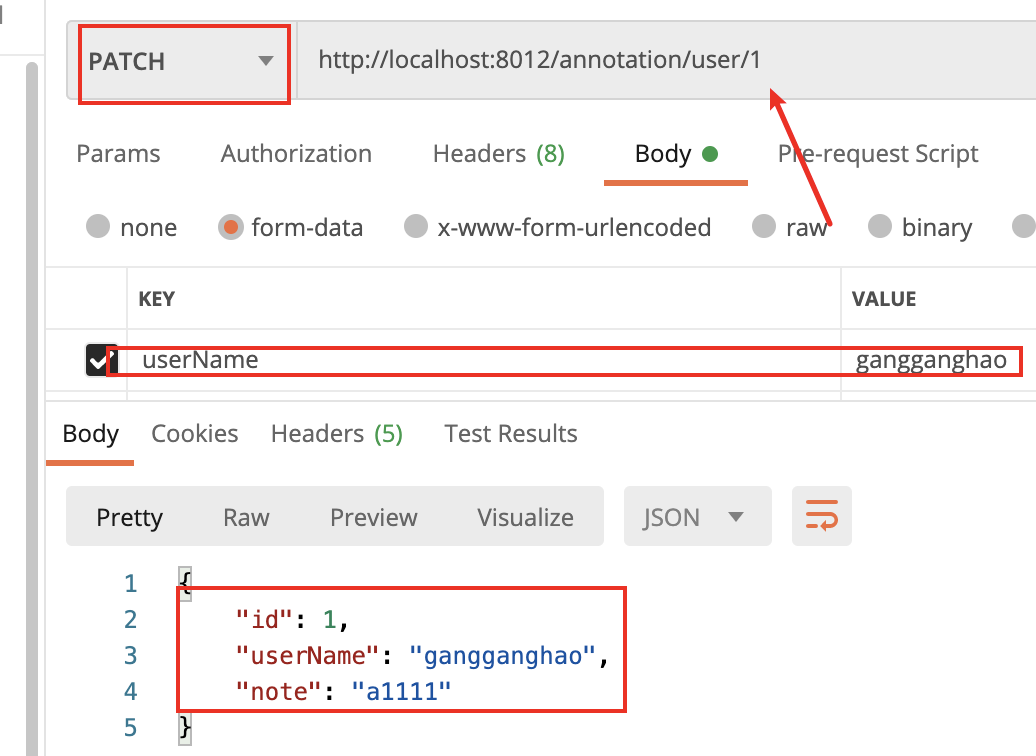
@PutMapping
@PatchMapping
  /**

     * http Put请求,提交所有的资源属性以修改资源,

     * http patch请求,提交资源的部分修改属性,

     * 其实他们两个都差不多,只不过是约定的问题而已

     * @param id

     * @param userName

     * @return

     */

    @PatchMapping("/user/{id}")

    public User updUser(

            @PathVariable("id") Long id,

            @RequestParam("userName") String userName

    ){

       return userService.updateUser(id,userName);

    }
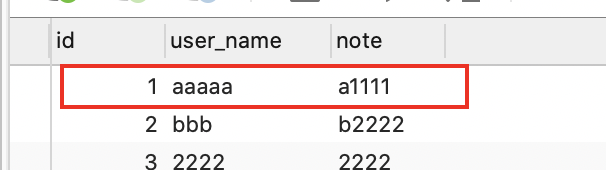
修改之前的:
处理HTTP请求状态码,异常和响应头
通过实体类去实现;
/**

 * 当发生资源找不到或者处理逻辑发生异常时,需要考虑返回给客户端的http状态码和错误消息

 * spring提供实体封装类ResponseEntity:有效的封装错误消息和状态码

 * 和注解@ResponseStatus:配置指定的响应码给客户端

 */

@RestController

public class HttpStatusController {

    @Autowired

    UserService userService;

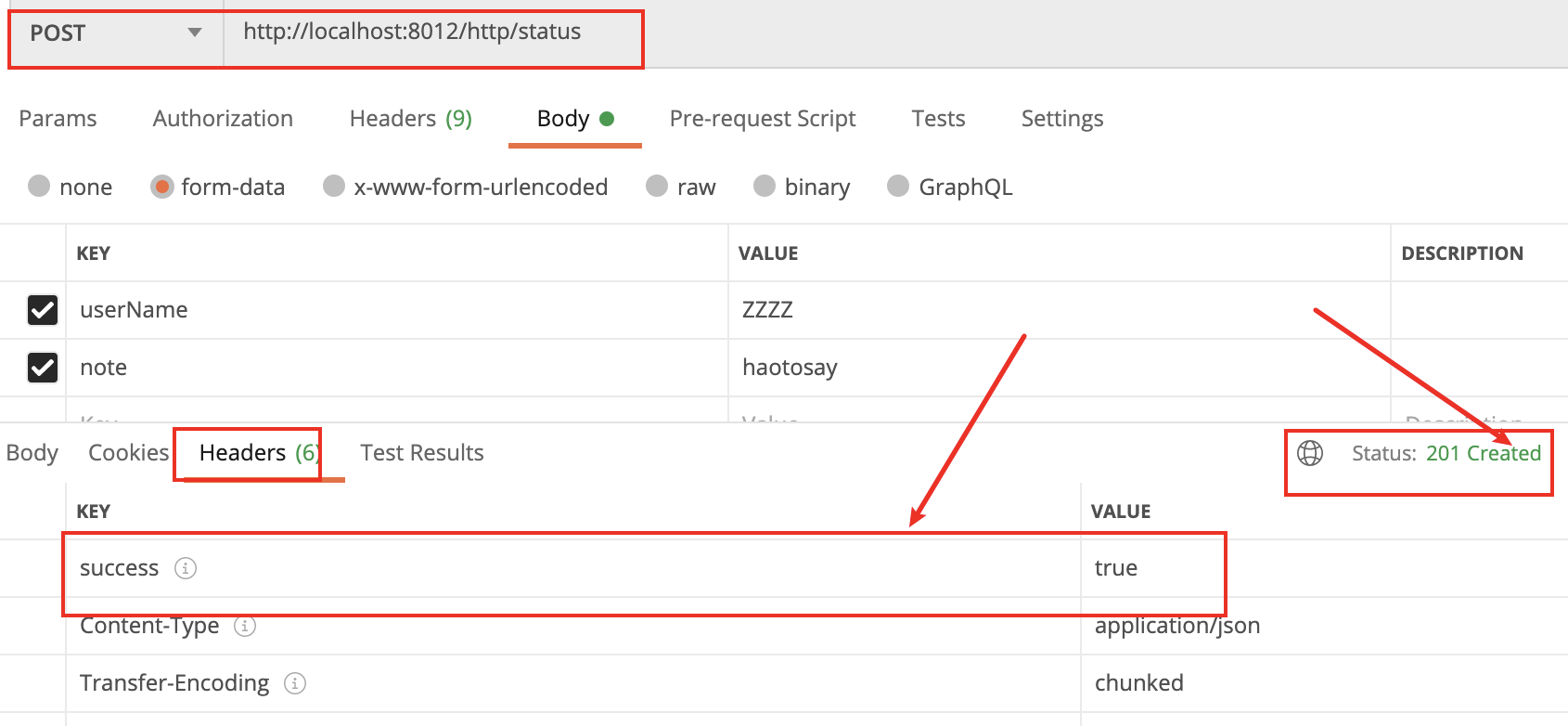
    /**

     * 11新建一个请求头对象,

     * 22向请求头通过add方法进行加入k-v

     * 33需要建立一个响应实体类,将需要放回的信息,请求头对象,响应http状态码

     * 备注:这里使用 HttpStatus.CREATED ,指定状态码为201,标识资源创建成功

     * @param userName

     * @param note

     * @return

     */

    @PostMapping("/http/status")

    public ResponseEntity<Integer> insertUser(

            @RequestParam("userName") String userName,

            @RequestParam ("note") String note

    ){

        User user = new User();

        user.setUserName(userName);

        user.setNote(note);

        Integer re = userService.insertUser(user);

//        设置http响应头

        HttpHeaders httpHeaders = new HttpHeaders();//新建请求头

        String success = (re == 0 ) ? "false" : "true";//如果结果为0,就是false

        httpHeaders.add("success",success);

        return new ResponseEntity<Integer>(re,httpHeaders, HttpStatus.CREATED);

    }
使用注解:
  /**

     * 通过注解@ResponseStatus去指定

     * 当方法正常返回的时候,http状态码为201

     * @param userName

     * @param note

     * @return

     */

    @PostMapping("/http/status/an")

    @ResponseStatus(HttpStatus.CREATED)

    public Integer insertUseran(

            @RequestParam("userName") String userName,

            @RequestParam ("note") String note

    ){

        User user = new User();

        user.setUserName(userName);

        user.setNote(note);

        Integer re = userService.insertUser(user);

        return  re;

    }

}
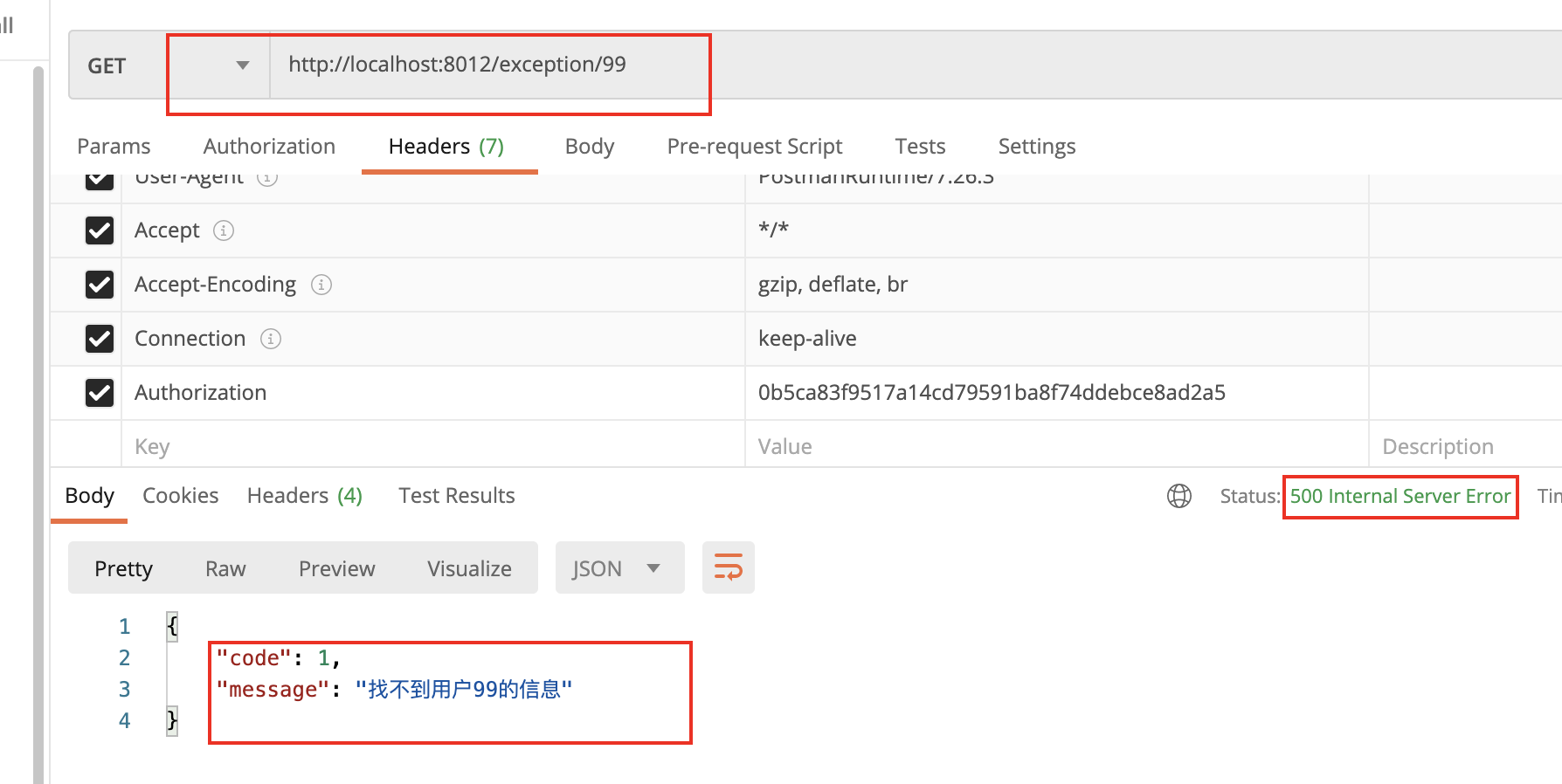
异常处理;
定义一个运行时的异常:
//场景:运行的时候,查询id用户,找不到数据或出现异常,这时候不能以正常返回去处理。

/**

 * 11自定义异常类:找不到用户的时候抛出异常

 * 异常抛出后,可以在控制器通知@ControllerAdvice里面进行处理

 * @ControllerAdvice:定义控制器通知

 * @ExceptionHandler:指定异常发生的处理方法

 *继承的异常RuntimeException是指:运行时的异常,和我们普通的

 * Exception:受检查的异常,这种异常是强制我们catch或throw的异常。

 *    你遇到这种异常必须进行catch或throw,如果不处理,编译器会报错。

 *

 */

public class NotFoundException extends RuntimeException{

    public static final long serialVersionUID = 1L;

    private Long code;//异常编码

    private String customMsg;//异常自定义消息

    public NotFoundException() {

    }

    public NotFoundException(Long code, String customMsg) {

        super();

        this.code = code;

        this.customMsg = customMsg;

    }

    public Long getCode() {

        return code;

    }

    public void setCode(Long code) {

        this.code = code;

    }

    public String getCustomMsg() {

        return customMsg;

    }

    public void setCustomMsg(String customMsg) {

        this.customMsg = customMsg;

    }

}
定义一个控制器通知:
/**

 * 2自定义一个控制器通知

 *      在@ControllerAdvice中指定拦截包路径,限定被拦截的注解为@Controller/@RestController

 *      在@ExceptionHandler注解方法上,通过value属性,指定异常类型进行拦截

 *      在@ResponseBody定义响应的信息已json的格式表达

 *      在@ResponseStatus定义服务器内部错误500代码

 */

@ControllerAdvice(

        basePackages = {"com.quan.annotationredis.controller.*"},

        annotations = {Controller.class, RestController.class}

)

public class UserControllerAdvice {

    @ExceptionHandler(value = NotFoundException.class)

    @ResponseStatus(HttpStatus.INTERNAL_SERVER_ERROR)//定义服务器错误代码

    @ResponseBody

    public Map<String,Object> exception(HttpServletRequest request,

                                        NotFoundException ex){

        Map<String,Object> msgMap = new HashMap<>();

        msgMap.put("code",ex.getCode());

        msgMap.put("message",ex.getCustomMsg());

        return msgMap;

    }

}
测试controller:
@Controller

public class ExceptionController {

    @Autowired

    UserService userService;

    /**

     * 一旦方法出现异常,就会别控制器通知所拦截,最后经@ExceptionHandler定义

     * 的方法进行处理。

     * @param id

     * @return

     */

    @GetMapping("/exception/{id}")

    @ResponseStatus(HttpStatus.OK)

    @ResponseBody

    public User getUser(@PathVariable("id") Long id){

        System.out.println(System.currentTimeMillis());

        User user = userService.getUser(id);

        if (user == null){

            throw new NotFoundException(1L,"找不到用户"+id+"的信息");

        }

        System.out.println(System.currentTimeMillis());

        return user;

    }

}
使用RestTemplate请求后端;
底层是通过类HttpURLConnection实现的。
    /**

     * restTemplate.getForObject方法中:

     * 第一个参数URL:标明请求服务器什么资源,{id}代表参数

     * 第二个参数:表示将请求返回User类的结果,实际上服务器只会给回我们json格式数据

     *          是因为restTemplate内部将其转化给java对象。

     *  第三个参数:就是URL对应的参数。

     * @return

     */

    private static  User getUser() {

        int id = 1;

        RestTemplate restTemplate = new RestTemplate();

        User user = restTemplate.getForObject(

                "http://localhost:8012/annotation/{id}",

                User.class, id

        );

        System.out.println(user.getUserName());

        return user;

    }

}
输出的日志结果:
14:10:42.839 [main] DEBUG org.springframework.web.client.RestTemplate - HTTP GET http://localhost:8012/annotation/1

14:10:42.904 [main] DEBUG org.springframework.web.client.RestTemplate - Accept=[application/json, application/*+json]

14:10:42.921 [main] DEBUG org.springframework.web.client.RestTemplate - Response 200 OK

14:10:42.924 [main] DEBUG org.springframework.web.client.RestTemplate - Reading to [com.quan.annotationredis.entity.User]

gangganghao
多个参数的时候:
@RestController

@RequestMapping("annotation")

public class RedisUserController {

    @Autowired

    private UserService userService =null;

    @PostMapping("/{userName}/{note}")

    public User insertUser(

            @PathVariable ("userName") String userName,

            @PathVariable ("note") String note

    ){

        User user = new User();

        user.setUserName(userName);

        user.setNote(note);

        userService.insertUser(user);

        return user;

    }
将参数用一个Map对象封装起来,Map的键名称和URI中所定义的参数时保持一致的。这样子就能将参数统一封装到Map中了
    /**

     *因为我们的Controller层返回的是User类型,所以我们这里也放回User,并使用ResponseEntity<User>接受

     * postForEntity ,通过post请求返回一个实体类,需要url,请求类型,返回类型,参数列表

     * responseEntity.getBody();通过类的方法从返回体里面拿到返回体的内容。(contorller里面是返回user)

     * @return

     */

    public static User  insertUser(){

        RestTemplate restTemplate = new RestTemplate();

        String userName = "huolalala";

        String note = "huolalanote";

        String url = "http://localhost:8012/annotation/{userName}/{note}";

        Map<String,Object> params = new HashMap<>();

        params.put("userName",userName);

        params.put("note",note);

        ResponseEntity<User> responseEntity = restTemplate.postForEntity(url,User.class,User.class,params);

        User user = responseEntity.getBody();

        System.out.println(user);

        return user;

    }
运行日志;
14:55:47.888 [main] DEBUG org.springframework.web.client.RestTemplate - HTTP POST http://localhost:8012/annotation/huolalala/huolalanote

14:55:47.948 [main] DEBUG org.springframework.web.client.RestTemplate - Accept=[application/json, application/*+json]

14:55:47.966 [main] DEBUG org.springframework.web.client.RestTemplate - Writing [class com.quan.annotationredis.entity.User] with org.springframework.http.converter.json.MappingJackson2HttpMessageConverter

14:55:47.987 [main] DEBUG org.springframework.web.client.RestTemplate - Response 200 OK

14:55:47.990 [main] DEBUG org.springframework.web.client.RestTemplate - Reading to [com.quan.annotationredis.entity.User]

User{id=49, userName='huolalala', note='huolalanote'}
请求体获取参数:
  /**

     * 11先定义请求头HttpHeaders,设置请求体为JSON格式

     * 22将请求体实体user和请求头绑定到请求实体对象HttpEntiry

     * 33restTemplate.postForObject将请求对象传递过去,

     * @return

     */

    public static User insertUser1(){

        User user = new User();

        user.setNote("RRRR");

        user.setUserName("QQQQ");

        HttpHeaders httpheaders = new HttpHeaders();

        httpheaders.setContentType(MediaType.APPLICATION_JSON_UTF8);

        HttpEntity<User> httpEntity = new HttpEntity<>(user,httpheaders);

        RestTemplate restTemplate = new RestTemplate();

        restTemplate.postForObject("http://localhost:8012/annotation",httpEntity,User.class);

        return user;

    }
删除:
    /**

     *

     */

    public static void delUser(){

        Long id = 48L;

        RestTemplate restTemplate = new RestTemplate();

        String url = "http://localhost:8012/annotation/{id}";

        restTemplate.delete(url,id);//这个方法没有返回值

    }
运行日志:
17:09:06.618 [main] DEBUG org.springframework.web.client.RestTemplate - HTTP DELETE http://localhost:8012/annotation/48

17:09:06.639 [main] DEBUG org.springframework.web.client.RestTemplate - Response 200 OK
spring-boot-learning-REST风格网站的更多相关文章
- 使用Spring boot开发RestFul 风格项目PUT/DELETE方法不起作用
在使用Spring boot 开发restful 风格的项目,put.delete方法不起作用,解决办法. 实体类Student @Data public class Student { privat ...
- Spring Boot构建 RESTful 风格应用
Spring Boot构建 RESTful 风格应用 1.Spring Boot构建 RESTful 风格应用 1.1 实战 1.1.1 创建工程 1.1.2 构建实体类 1.1.4 查询定制 1.1 ...
- Spring Boot2 系列教程(三十一)Spring Boot 构建 RESTful 风格应用
RESTful ,到现在相信已经没人不知道这个东西了吧!关于 RESTful 的概念,我这里就不做过多介绍了,传统的 Struts 对 RESTful 支持不够友好 ,但是 SpringMVC 对于 ...
- Vue + Spring Boot从零开始搭建个人网站(一) 之 项目前端Vue.js环境搭建
前言: 最近在考虑搭建个人网站,想了想决定采用前后端分离模式 前端使用Vue,负责接收数据 后端使用Spring Boot,负责提供前端需要的API 就这样开启了我边学习边实践之旅 Vue环境搭建步骤 ...
- spring boot(3)-Rest风格接口
Rest接口 虽然现在还有很多人在用jsp,但是其实这种动态页面早已过时,现在前端流行的是静态HTML+ rest接口(json格式).当然,如果是单台服务器,用动态还是静态页面可能没什么很大区别,但 ...
- Spring Boot 2.0 设置网站默认首页
Spring Boot设置默认首页,方法实验OK如下 附上Application启动代码 /** * @ClassName Application * @Description Spring-Boot ...
- Spring Boot (2) Restful风格接口
Rest接口 动态页面jsp早已过时,现在流行的是vuejs.angularjs.react等前端框架 调用 rest接口(json格式),如果是单台服务器,用动态还是静态页面可能没什么大区别,如果服 ...
- Spring boot——构建rest风格
前言rest风格严格意义上说不是一种标准,而是一种风格,在如今互联网界,这个风格被广泛用于微服务系统之间的交互. REST简单介绍 REST(Representional State Transfer ...
- Spring Boot 之restful风格
步骤一:restful风格是什么? 我们知道在做web开发的过程中,method常用的值是get和post.可事实上,method值还可以是put和delete等等其他值. 既然method值如此丰富 ...
- 一:Spring Boot、Spring Cloud
上次写了一篇文章叫Spring Cloud在国内中小型公司能用起来吗?介绍了Spring Cloud是否能在中小公司使用起来,这篇文章是它的姊妹篇.其实我们在这条路上已经走了一年多,从16年初到现在. ...
随机推荐
- 攻防世界Web_favorite_number
题目: 解题思路: 直接给php源码,代码审计. 这里需要通过POST方法传递参数stuff,且stuff是一组数组,给了一组数组array['admin','user'] if条件中,需要stuff ...
- hydra安装及破解rdp方法
hydra暴力破解工具 下载:https://github.com/vanhauser-thc/thc-hydra 安装步骤: ./configure make&&make insta ...
- 16进制转字符串得到flag
工业协议分析2 666c61677b37466f4d3253746b6865507a7d
- DoS泛洪测试与防御
实验目的 DoS泛洪测试与防御 实验内容 DoS泛洪测试与防御 实验环境描述 1. 学生机与实验室网络直连: 2. VPC1与实验室网络直连: 3. 学生机与VPC1物理链路连通: 实验步骤 学生登录 ...
- 拒绝踩雷!全能的BI软件非它莫属
BI工具现在是越来越火了,很多公司都会利用这些工具,提高工作效率.但是目前市面上的BI产品真的是越来越多,稍有不慎就会踩雷,那么我们应该要怎么选择这些BI工具呢?今天我为大家选了3款国内外口碑不错的B ...
- 泛型种树(generic) 代码
再这个案例中我们,为什么要使用泛型约束 使用约束的原因 约束指定类型参数的功能和预期. 声明这些约束意味着你可以使用约束类型的操作和方法调用. 如果泛型类或 方法对泛型成员使用除简单赋值之外的任何操作 ...
- docker安装以及常用命令
yum-config-manager 对/etc/yum.repos.d/下的.repo文件进行增删改查 yum install -y yum-utils 添加docker源,由于yum源的docke ...
- 听说:分布式ID不能全局递增?
大家好,我是[架构摆渡人],一只十年的程序猿.这是实践经验系列的第十一篇文章,这个系列会给大家分享很多在实际工作中有用的经验,如果有收获,还请分享给更多的朋友. 前面有篇文章我们讲到用时间来代替自增I ...
- [USACO20FEB]Equilateral Triangles P 题解
优雅的暴力. 设三个点为 \((i,j,k)\),则有 \(6\) 个未知数即 \(x_i,x_j,x_k,y_i,y_j,y_k\).又因为有 \(2\) 条关于这 \(6\) 个未知数的方程 \( ...
- JUC知识点总结(知识点见内部目录)
目录 JUC是什么 锁 Synchronized VS Lock 实现差异 Synchronized & Lock 总结 Synchronized锁的对象是什么 生产者&消费者 只有两 ...