
【leetcode】两数之和
https://leetcode.com/problems/two-sum/
Example:
Given nums = [2, 7, 11, 15], target = 9,

Because nums[0] + nums[1] = 2 + 7 = 9,

return [0, 1].
Java:
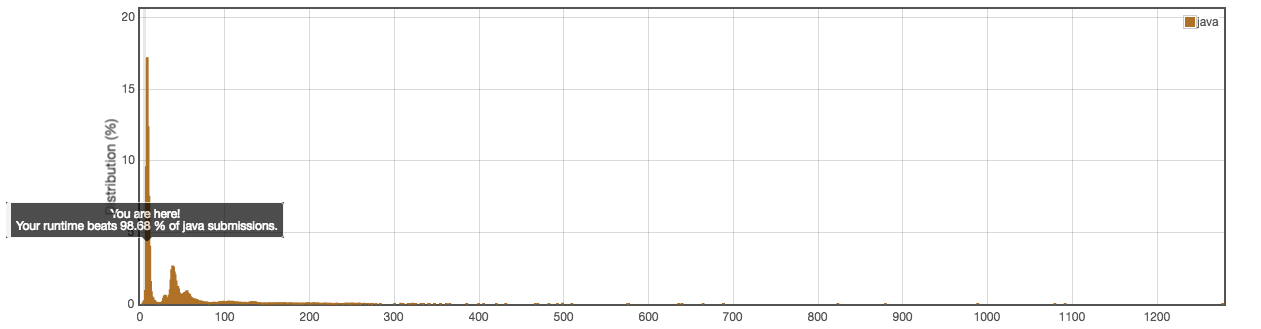
版本1,暴力搜索(减少了部分搜索),预计打败全世界30%的答案。
public int[] twoSum(int[] nums, int target) {

        int size = nums.length;

        int size2 = size - 1;

        for (int i=0; i<size2; i++) {

            for (int j=i+1; j<size; j++) {

               if ((nums[i] + nums[j]) == target) {

                   int[] pair = new int[2];

                   pair[0] = i;

                   pair[1] = j;

                   return pair;

               }

           }

        }

        int[] pair = new int[2];

        return pair;

    }
版本2,,通过HashMap解决循环匹配问题,预计打败全世界50%
HashMap<Integer, Integer> mm = new HashMap<Integer, Integer>();

        int size = nums.length;

        for (int i=0; i<size; i++) {

            mm.put(nums[i], i);

        }

        Integer tmp = 0;

        Integer v= 0;

        for (int i=0; i<size; i++) {

            tmp= target - nums[i];

            v = mm.get(tmp);

            if (v != null && v.intValue()!=i) {

                int[] pair = new int[2];

                pair[0] = i;

                pair[1] = v;

                return pair;

            }

        }

        int[] pair = new int[2];

        return pair;
版本3, 写到版本2的时候,肯定会想到把循环合并到一起执行,预计打败全世界58%。
HashMap<Integer, Integer> mm = new HashMap<Integer, Integer>();

        int size = nums.length;

        Integer tmp = 0;

        Integer v= 0;

        mm.put(nums[0], 0);

        for (int i=1; i<size; i++) {

            tmp= target - nums[i];

            v = mm.get(tmp);

            if (v != null) {

                int[] pair = new int[2];

                pair[0] = i;

                pair[1] = v;

                return pair;

            }

            mm.put(nums[i], i);

        }

        int[] pair = new int[2];

        return pair;
版本4. 上面的代码已经不知道怎么优化,那么就减少int和Integer的转换吧,自己定制了一个IntHashMap,开始打败了68%,后面优化了hash的处理,提升到79%。
static final int MISSIDX = -1;

public int[] twoSum(int[] nums, int target) {

        IntHashMap mm = new IntHashMap();

        int size = nums.length;

        int tmp = 0;

        int v = 0;

        mm.put(nums[0], 0);

        for (int i = 1; i < size; i++) {

            tmp = target - nums[i];

            v = mm.get(tmp);

            if (v != MISSIDX) {

                int[] pair = new int[2];

                if (tmp == nums[i]) {

                    pair[0] = v;

                    pair[1] = i;

                } else {

                    pair[0] = i;

                    pair[1] = v;

                }

                return pair;

            }

            mm.put(nums[i], i);

        }

        int[] pair = new int[2];

        return pair;

    }

    static class IntHashMap {

        public static final int DEFAULT_INITIAL_CAPACITY = 16;

        public static final int MAXIMUM_CAPACITY = 1073741824;

        public static final float DEFAULT_LOAD_FACTOR = 0.75F;

        private transient IntEntry[] table;

        private transient int size;

        private int threshold;

        private final float loadFactor;

        public IntHashMap(int initialCapacity) {

            this.loadFactor = 0.75F;

            int capacity = 1;

            while (capacity < initialCapacity) {

              capacity <<= 1;

            }

            this.threshold = ((int)(capacity * loadFactor));

            this.table = new IntEntry[capacity];

        }

        public IntHashMap() {

            this.loadFactor = 0.75F;

            this.threshold = 12;

            this.table = new IntEntry[16];

        }

        protected int indexFor(int key, int length) {

            return key & length - 1;

        }

        public int get(int key) {

            int i = indexFor(key, this.table.length);

            IntEntry e = this.table[i];

            while (true) {

                if (e == null)

                    return MISSIDX;

                if (e.key == key)

                    return e.value;

                e = e.next;

            }

        }

        public void put(int key, int value) {

            int i = indexFor(key, this.table.length);

            addEntry(key, value, i);

        }

        private void addEntry(int key, int value, int bucketIndex) {

            IntEntry e = this.table[bucketIndex];

            this.table[bucketIndex] = new IntEntry(key, value, e);

            if (this.size++ >= this.threshold)

                resize(2 * this.table.length);

        }

        protected void resize(int newCapacity) {

            IntEntry[] oldTable = this.table;

            int oldCapacity = oldTable.length;

            if (oldCapacity == 1073741824) {

                this.threshold = 2147483647;

                return;

            }

            IntEntry[] newTable = new IntEntry[newCapacity];

            transfer(newTable);

            this.table = newTable;

            this.threshold = ((int) (newCapacity * this.loadFactor));

        }

        private void transfer(IntEntry[] newTable) {

            IntEntry[] src = this.table;

            int newCapacity = newTable.length;

            for (int j = 0; j < src.length; j++) {

                IntEntry e = src[j];

                if (e != null) {

                    src[j] = null;

                    do {

                        IntEntry next = e.next;

                        int i = indexFor(e.key, newCapacity);

                        e.next = newTable[i];

                        newTable[i] = e;

                        e = next;

                    } while (e != null);

                }

            }

        }

        public String toString() {

            return Arrays.deepToString(this.table);

        }

    }

    static class IntEntry {

        protected final int key;

        protected int value;

        protected IntEntry next;

        protected IntEntry(int k, int v, IntEntry n) {

            this.value = v;

            this.next = n;

            this.key = k;

        }

        public int getKey() {

            return this.key;

        }

        public int getValue() {

            return this.value;

        }

        public void setValue(int newValue) {

            this.value = newValue;

        }

        public boolean equals(Object o) {

            if (!(o instanceof IntEntry))

                return false;

            IntEntry e = (IntEntry) o;

            int eKey = e.getKey();

            int eVal = e.getValue();

            if (eKey == getKey()) {

                return eVal == MISSIDX ? false : getValue() == MISSIDX ? true

                        : eVal == getValue();

            }

            return false;

        }

        public int hashCode() {

            return this.key ^ (this.value == MISSIDX ? 0 : value);

        }

        public String toString() {

            return "[" + key + "," + value + "]";

        }

    }
版本5. hashMap这个方向看来是尽头了,那用稀疏数组吧,貌似打败了87.62%
static final int MISSIDX = -1;

    public int[] twoSum_0_4(int[] nums, int target) {

        SparseIntArray mm = new SparseIntArray();

        int size = nums.length;

        int tmp = 0;

        int v = 0;

        mm.put(nums[0], 0);

        for (int i = 1; i < size; i++) {

            tmp = target - nums[i];

            v = mm.get(tmp);

            if (v != MISSIDX) {

                int[] pair = new int[2];

                if (tmp == nums[i]) {

                    pair[0] = v;

                    pair[1] = i;

                } else {

                    pair[0] = i;

                    pair[1] = v;

                }

                return pair;

            }

            mm.put(nums[i], i);

        }

        int[] pair = new int[2];

        return pair;

    }

    static final int[] EMPTY_INTS = new int[0];

    static int idealByteArraySize(int need) {

        for (int i = 4; i < 32; i++)

            if (need <= (1 << i) - 12)

                return (1 << i) - 12;

        return need;

    }

    static int idealIntArraySize(int need) {

        return idealByteArraySize(need * 4) / 4;

    }

    static int binarySearch(int[] array, int size, int value) {

        int lo = 0;

        int hi = size - 1;

        while (lo <= hi) {

            final int mid = (lo + hi) >>> 1;

            final int midVal = array[mid];

            if (midVal < value) {

                lo = mid + 1;

            } else if (midVal > value) {

                hi = mid - 1;

            } else {

                return mid;  // value found

            }

        }

        return ~lo;  // value not present

    }

    static class SparseIntArray {

        private int[] mKeys;

        private int[] mValues;

        private int mSize;

        public SparseIntArray() {

            this(10);

        }

        public SparseIntArray(int initialCapacity) {

              initialCapacity = idealIntArraySize(initialCapacity);

              mKeys = new int[initialCapacity];

              mValues = new int[initialCapacity];

              mSize = 0;

        }

        public int get(int key) {

            return get(key, MISSIDX);

        }

        public int get(int key, int valueIfKeyNotFound) {

            int i = binarySearch(mKeys, mSize, key);

            if (i < 0) {

                return valueIfKeyNotFound;

            } else {

                return mValues[i];

            }

        }

        public void put(int key, int value) {

            int i = binarySearch(mKeys, mSize, key);

            if (i >= 0) {

                mValues[i] = value;

            } else {

                i = ~i;

                if (mSize >= mKeys.length) {

                    int n = idealIntArraySize(mSize + 1);

                    int[] nkeys = new int[n];

                    int[] nvalues = new int[n];

                    System.arraycopy(mKeys, 0, nkeys, 0, mKeys.length);

                    System.arraycopy(mValues, 0, nvalues, 0, mValues.length);

                    mKeys = nkeys;

                    mValues = nvalues;

                }

                if (mSize - i != 0) {

                    System.arraycopy(mKeys, i, mKeys, i + 1, mSize - i);

                    System.arraycopy(mValues, i, mValues, i + 1, mSize - i);

                }

                mKeys[i] = key;

                mValues[i] = value;

                mSize++;

            }

        }

        public String toString() {

            if (mSize <= 0) {

                return "{}";

            }

            StringBuilder buffer = new StringBuilder(mSize * 28);

            buffer.append('{');

            for (int i=0; i<mSize; i++) {

                if (i > 0) {

                    buffer.append(", ");

                }

                int key = mKeys[i];

                buffer.append(key);

                buffer.append('=');

                int value = mValues[i];

                buffer.append(value);

            }

            buffer.append('}');

            return buffer.toString();

        }

    }
【leetcode】两数之和的更多相关文章
- 【数据结构】Hash表简介及leetcode两数之和python实现
文章目录 Hash表简介 基本思想 建立步骤 问题 Hash表实现 Hash函数构造 冲突处理方法 leetcode两数之和python实现 题目描述 基于Hash思想的实现 Hash表简介 基本思想 ...
- LeetCode两数之和
LeetCode 两数之和 题目描述 给定一个整数数组 nums 和一个目标值 target,请你在该数组中找出和为目标值的那两个整数,并返回他们的数组下标. 你可以假设每种输入只会对应一个答案.但是 ...
- leetcode两数之和go语言
两数之和(Go语言) 给定一个整数数组 nums 和一个目标值 target,请你在该数组中找出和为目标值的那 两个 整数,并返回他们的数组下标. 你可以假设每种输入只会对应一个答案.但是,你不能重复 ...
- leetcode 两数之和 python
两数之和 给定一个整数数组和一个目标值,找出数组中和为目标值的两个数. 你可以假设每个输入只对应一种答案,且同样的元素不能被重复利用. 示例: 给定 nums = [2, 7, 11, 1 ...
- leetcode - 两数之和Ⅳ 输入BST(653)
题目描述:给定一个二叉搜索树和一个目标结果,如果 BST 中存在两个元素且它们的和等于给定的目标结果,则返回 true. 解题思路:根据二叉搜索树的特点,对二叉搜索树进行中序遍历可以得到一个从小到达排 ...
- Leetcode -- 两数之和Ⅰ
1. 两数之和 题目描述:给定一个整数数组 nums 和一个目标值 target,请你在该数组中找出和为目标值的那两个整数,并返回他们的数组下标. 示例:给定 nums = [2, 7, 11, 15 ...
- leetcode 两数之和 II - 输入有序数组
给定一个已按照升序排列 的有序数组,找到两个数使得它们相加之和等于目标数. 函数应该返回这两个下标值 index1 和 index2,其中 index1 必须小于 index2. 说明: 返回的下标值 ...
- Leetcode 两数之和 (散列表)
给定一个整数数组和一个目标值,找出数组中和为目标值的两个数. 你可以假设每个输入只对应一种答案,且同样的元素不能被重复利用. 示例: 给定 nums = [2, 7, 11, 15], target ...
- LeetCode两数之和-Python<一>
下一篇:LeetCode链表相加-Python<二> 题目:https://leetcode-cn.com/problems/two-sum/description/ 给定一个整数数组和一 ...
- leetCode:twoSum 两数之和 【JAVA实现】
LeetCode 两数之和 给定一个整数数组,返回两个数字的索引,使它们相加到特定目标. 您可以假设每个输入只有一个解决方案,并且您可能不会两次使用相同的元素. 更多文章查看个人博客 个人博客地址:t ...
随机推荐
- Spring实例化Bean的三种方式及Bean的类型
1.使用类构造器实例化 [默认的类构造器] <bean id=“orderService" class="cn.itcast.OrderServiceBean"/ ...
- weiphp布署在sina sae图片显示不了问题
sae 上傳因為新浪云是有權限的限制的,所以要有權限才能上傳,以圖片為例首先在入口文件目錄(applicaiton)里的common的conf 里的config配置把上传驱动设为sea 代码 如下:' ...
- 《图形学》实验五:改进的Bresenham算法画直线
开发环境: VC++6.0,OpenGL 实验内容: 使用改进的Bresenham算法画直线. 实验结果: 代码: //中点Bresenham算法生成直线 #include <gl/glut.h ...
- javascript设计模式与开发实践
1. js面向对象6种形式(详情) <!DOCTYPE html> <html> <head lang="en"> <meta chars ...
- IBatis.Net使用总结(三)-- IBatis实现分页返回数据和总数
IBatis 分页,这里没有使用其他插件,只使用最原始的方法. 输入参数: int currentPage 当前页 int pageSize 每页大小 Hashtable findCondition ...
- [工作中的设计模式]装饰模式decorator
一.模式解析 装饰模式又名包装(Wrapper)模式.装饰模式以对客户端透明的方式扩展对象的功能,是继承关系的一个替代方案. 装饰模式的要点主要是: 1.需要对已有对象扩展新的功能,又不希望改变原有对 ...
- 【MongoDB初识】-安装篇
1.首先MongoDB官网:http://www.mongodb.org,下载mongoDB 2.解压安装 自己安装在E:\mongdb 3.提示otfix KB2731284 or later up ...
- 【转】XAMPP中配置多个网站
XAMPP虚拟主机配置,多域名绑定访问本地站点 XAMPP有时候你需要一些顶级域名访问方式来访问你本地的项目也就是虚拟主机配置,这时候就需要配置虚拟主机,给你的目录绑定一个域名,实现多域名绑定访问. ...
- Codeforces Round B. Buttons
Manao is trying to open a rather challenging lock. The lock has n buttons on it and to open it, you ...
- NSMutableAttributedString常用代码
NSTextAttachment *attachment = [[NSTextAttachment alloc] init]; attachment.image = [UIImage imageNam ...