
【转载】NonEmpty和Non Empty的区别
转载来源:http://www.ssas-info.com/analysis-services-articles/50-mdx/2196-mdx-non-empty-vs-nonempty
One of my favourite questions in MDX is the difference between Non Empty and NonEmpty because even though many people use them daily to remove NULLS from their queries, very few understand the working behind it. Many times, I have even got answers like “there is a space between Non and Empty, that is the difference”. The objective of this post is to clearly differentiate between the two.
Let us say my initial query is
SELECT

  {

    [Measures].[Hits]

   ,[Measures].[Subscribers]

   ,[Measures].[Spam]

  } ON COLUMNS

,{

    [Geography].[Country].Children

  } ON ROWS

FROM [Blog Statistics];
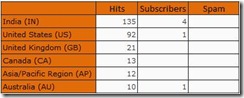
This will give the following output

NON EMPTY
Non Empty is prefixed before the sets defining the axes and is used for removing NULLs. Let us see what happens when we add Non Empty on the Rows axis.
SELECT

  {

    [Measures].[Hits]

   ,[Measures].[Subscribers]

   ,[Measures].[Spam]

  } ON COLUMNS

,NON EMPTY

    {

      [Geography].[Country].Children

    } ON ROWS

FROM [Blog Statistics];
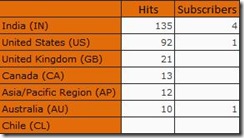
The output is shown below
You will notice that Chile (CL) has been filtered out while rows like UK, Canada, etc are still there even if they have NULLs for some of the measures. In short, only the rows having NULL for all the members of the set defined in the column axis is filtered out. This is because the Non Empty operator works on the top level of the query. Internally, the sets defined for the axes are generated first and then the tuples having NULL values are removed. Now that we know how NON EMPTY works, it shouldn’t be hard for us to tell the output of the below query
SELECT

  NON EMPTY

    {

      [Measures].[Hits]

     ,[Measures].[Subscribers]

     ,[Measures].[Spam]

    } ON COLUMNS

,{

    [Geography].[Country].Children

  } ON ROWS

FROM [Blog Statistics];
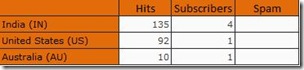
The output is shown below
NONEMPTY()
The NonEmpty() returns the set of tuples that are not empty from a specified set, based on the cross product of the specified set with a second set. Suppose we want to see all the measures related to countries which have a non-null value for Subscribers
SELECT

  {

    [Measures].[Hits]

   ,[Measures].[Subscribers]

   ,[Measures].[Spam]

  } ON COLUMNS

,{

    NonEmpty

    (

      [Geography].[Country].Children

     ,[Measures].[Subscribers]

    )

  } ON ROWS

FROM [Blog Statistics];
This will give the following output
As you can see, the NonEmpty operator takes all the rows having a not NULL value for Subscribers in the rows and then displays all the measures defined in the column axis. Basically what happens internally is that NonEmpty is evaluated when the sets defining the axis are evaluated. So at this point of time, there is no context of the other axes. What I said now can be better understood from the following example
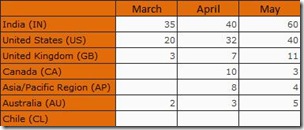
Now, we write the below query
SELECT

  {[Date].[Month].[March]} ON COLUMNS

,{

    [Geography].[Country].Children

  } ON ROWS

FROM [Blog Statistics]

WHERE

  [Measures].[Hits];
Output is given below
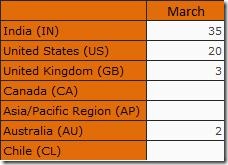
Think for a while and predict which all rows would be returned when the NonEmpty operator is applied on the rows
SELECT

  {[Date].[Month].[March]} ON COLUMNS

,{

    NonEmpty([Geography].[Country].Children)

  } ON ROWS

FROM [Blog Statistics]

WHERE

  [Measures].[Hits];
If you guessed just IN, US, GB and AU, please go back and read once again. If you replied All rows except Chile, full marks to you, you have been an attentive reader. The reason is because NonEmpty is evaluated when the set defining the axis is evaluated (here, Country) and at that point of time, NonEmpty is evaluated for each member of the country against the default member of the Date dimension (which would be ALL generally). As you can see, we already have values for CA and AP for other months and hence they will not be filtered out.
Optimizing Non Empty by using NonEmpty
Ok, now you know how Non Empty and NonEmpty works internally and we can apply this knowledge to optimize our queries. Suppose there is a complex logic in our axes like finding all the countries that have 30 or more hits in any month. The query is given below
SELECT

  {[Measures].[Hits]} ON COLUMNS

,{

    Filter

    (

        [Geography].[Country].Children

      *

        [Date].[Month].Children

     ,

      [Measures].[Hits] > 30

    )

  } ON ROWS

FROM [Blog Statistics];
Now my time dimension will have 10 years of data, which means around 120 (10*12) members for the month attribute and my country attribute may have let’s say, 100 members. Now even though I just have 3 months of data for 10 countries for hits, the filter function will need to go through all the combinations of country and month (120*100 combinations). Instead of that, we can just use the NonEmpty operator and bring down the combinations to less than 30 (3 months*10 countries) by using the below query
SELECT

  {[Measures].[Hits]} ON COLUMNS

,{

    Filter

    (

      NonEmpty

      (

          [Geography].[Country].Children

        *

          [Date].[Month].Children

       ,[Measures].[Hits]

      )

     ,

      [Measures].[Hits] > 30

    )

  } ON ROWS

FROM [Blog Statistics];
【转载】NonEmpty和Non Empty的区别的更多相关文章
- NonEmpty和Non Empty的区别[转]
One of my favourite questions in MDX is the difference between Non Empty and NonEmpty because even t ...
- 转载:Ajax及 GET、POST 区别
转载:Ajax及 GET.POST 区别 收获: xhr.setRequestHeader(), xhr.getResponseHeader() 可以设置和获取请求头/响应头信息; new FormD ...
- [JS][jQuery]清空元素html("")、innerHTML="" 与 empty()的区别 、remove()区别
清空元素html("").innerHTML="" 与 empty()的区别 一.清空元素的区别 1.错误做法一: $(" ...
- EL表达式中null和empty的区别
下面通过一个例子看看看null和empty的区别,建立一个test.jsp文件,内容如下: <%@page pageEncoding="utf-8" %> name:$ ...
- php 中 isset 和empty 的区别
昨天终于开始学习php了,这个对于我来说听着很熟悉,但是学起来很陌生的东西,尤其是课上能听明白 但是真正写起了手生,都不知道手该往哪里放了,天哪~~~ 其中课上有讲到 isset和empty的区别,现 ...
- [转载]java int与integer的区别
声明: 本篇文章属于转载文章,来源:
- 【转载】new和malloc的区别
本篇随笔为转载,原贴地址:C++中new和malloc的十点区别. 前言 几个星期前去面试C++研发的实习岗位,面试官问了个问题: new与malloc有什么区别? 这是个老生常谈的问题.当时我回答n ...
- C#中string.Empty ,"" , null 区别
引言 String类型作为使用最频繁的类型之一,相信大家都非常熟悉,对于string赋予空值,通常有以下三种方式: String str1=null; String str2=””; String s ...
- PHP isset()与empty()的区别详解
通过对PHP语言的学习,应该知道它是基于函数的一款HTML脚本语言. 庞大的函数库支持着PHP语言功能的实现. 有关PHP函数isset()与empty()的相关用法. PHP的isset()函数 一 ...
随机推荐
- [BZOJ2947]促销(Splay)
Description Great Bytelandish的超级市场网络请你编写一个程序模拟促销商品的成本费用(simulating costs of the promotionbeing prepa ...
- P1101 单词方阵
题目描述 给一 n \times nn×n 的字母方阵,内可能蕴含多个"yizhong"单词.单词在方阵中是沿着同一方向连续摆放的.摆放可沿着 88 个方向的任一方向,同一单词摆放 ...
- billard:桌球的走位路线图解
这些是桌球的一些基础知识,记得刚学会桌球那会儿很强烈的想找到类似图片或资料,好久都找不到,最严重的时候只要一闭上眼睛,满脑子就是桌球的路线,线路图几乎是无处不在,痛苦的是经常能理解过来的很多路线因为杆 ...
- 《鸟哥的Linux私房菜》学习笔记(4)——用户和组
一.用户和组的基本概念 1.用户 用户:用于获取计算机资源或服务的标识符,比如用户名.计算机处理的是UID,用 ...
- 驱动模块 .ko
模块: 模块机制,作用搞高LINUX操作系统的扩充性. 1. 模块概念: 1.动态可加载内核模块LKM 2.内核空间运行 3.是不是一执行文件,是一个没有经过链接,不能独立运行的一个目标文件(.c-& ...
- sc.exe
sc.exe 编辑 本词条缺少名片图,补充相关内容使词条更完整,还能快速升级,赶紧来编辑吧! 服务管理程序:可用sc.exe远程创建 外文名 sc.exe 停止事件服务 sc stop eventl ...
- 剖析微软Hyper-V的最佳部署方式
剖析微软Hyper-V的最佳部署方式 2014-04-24 10:53 布加迪编译 51CTO.com 字号:T | T 微软Hyper-V有两种不同的版本.既可以安装到Windows Server的 ...
- python学习_常用语句
1.变量 1 name='hu qihang' #变量名应为英文,方便阅读 2 name_of_gf='chen ye' #多个单词用下划线隔开 3 名字='hu qihang' #变量名可以是中文 ...
- IIS是怎么处理同时到来的多个请求的?
假设有一台服务器,它的IIS上部署有一个Web应用程序-S,可以通过浏览器或其他方式进行访问. 假设有A.B.C三台电脑同时访问网站S,IIS接收到3个HTTP请求,然后分别为三个请求 ...
- iOS-------- Objective-C多态:动态类型识别+动态绑定+动态加载
一.Objective-C多态 1.概念:相同接口,不同的实现 来自不同类可以定义共享相同名称的方法. 动态类型能使程序直到执行时才确定对象所属类型 动态类型绑定能使程序直到执行时才确定要对对象调用的 ...