
随笔3 HashMap<K,V>
equals、hashcode和==的区别
在介绍HashMap之前,我想先阐述一下我对这三者的理解,equals这个方法呢,就是在判断是否为同一对象(注意,这里的同一对象和相同的内存地址是不同的),是否为同一对象其实看一看做一种我们对事物的主观定义,如果我是个佛系青年,认为世间万物都是相同的,那么我只需要在equals里只return一个true。hashcode我们可以看做是一个对象的表示符,同一对象的表示符肯定是一样的,不同对象的表示符理论上来说应该是不同的,但是现实永远不太尽如人意,不同的对象hashcode相同,就是所谓的冲突。所以当我们重写Object中的equals方法的时候,一定要记得重写hashcode方法。==很好理解,它就表示是不是同一内存地址。
接下来我们就从原理和源码两方面去介绍一下hashcode,并且对hashcode的非线程安全进行一些简单的讨论,下文参考了https://www.cnblogs.com/softidea/p/7261111.html这篇文章
一、HashMap原理
在最初的HashMap中,其底层的实现数组加链表的数据结构,基本单元为Entry,但是在java8之后进行了优化,增加了红黑树,底层结构也由Entry变成了Node和TreeNode组合完成,但是TreeNode其实还是继承自Node。
数组的优缺点:优点是根据下标进行查找,十分迅速,缺点是在数组中插入元素,删除元素效率极低
链表的优缺点:优点是对于增删操作非常方便 ,但是查找起来却很慢
红黑树优缺点:优点是查找非常迅速,缺点是插入元素的时候又费时间又费空间
HashMap就是综合了以上几点,构成的一种数据结构:首先用一个数组来构成散列表,然后用链表来解决冲突,当冲突项大于默认值8时,会将链表转化成一颗红黑树,提高查询效率(链表就是一颗退化树)。
如下图所示:
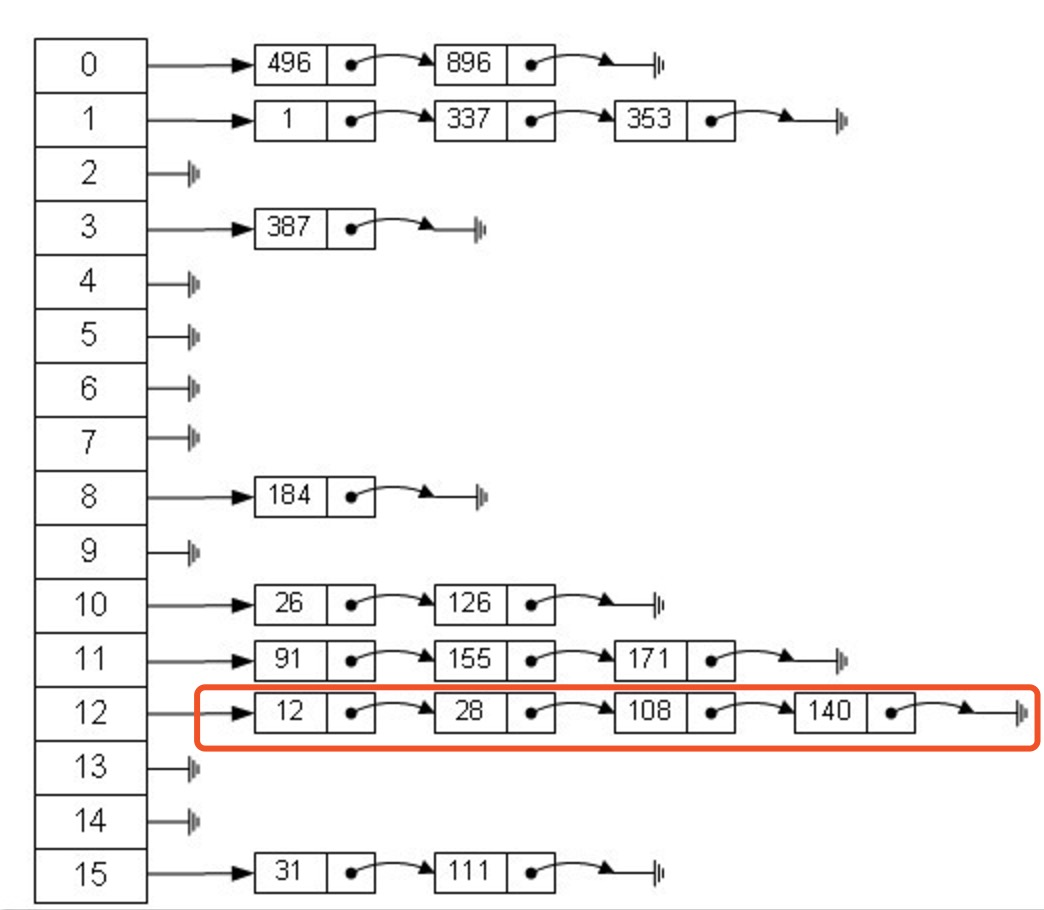
从上图我们可以发现HashMap是由Entry数组+链表组成的,一个长度为16的数组中,每个元素存储的是一个链表的头结点。那么这些元素是按照什么样的规则存储到数组中呢。一般情况是通过hash(key)%len获得,也就是元素的key的哈希值对数组长度取模得到。比如上述哈希表中,12%16=12,28%16=12,108%16=12,140%16=12。所以12、28、108以及140都存储在数组下标为12的位置。
二、源码分析
1、底层数据类
     /**

      * 这里可见,Node是实现了Entry

      */

     static class Node<K,V> implements Map.Entry<K,V> {

         /**

          * 注意hash和key都是final修饰的,说明作为key需要是不可变值,比如String很常用

          * 如果采用自己创建的对象

          */

         final int hash;

         final K key;

         //value是可变的

         V value;

         //指向下一个节点的指针

         Node<K,V> next;

         Node(int hash, K key, V value, Node<K,V> next) {

             this.hash = hash;

             this.key = key;

             this.value = value;

             this.next = next;

         }

         public final K getKey()        { return key; }

         public final V getValue()      { return value; }

         public final String toString() { return key + "=" + value; }

         /**

          * key的hash值和value的hash值做与操作,所以key和value需要重写hashCode方法

          */

         public final int hashCode() {

             return Objects.hashCode(key) ^ Objects.hashCode(value);

         }

         //这里设置新值的时候会返回旧值

         public final V setValue(V newValue) {

             V oldValue = value;

             value = newValue;

             return oldValue;

         }

         //这里需要注意要重写equals方法

         public final boolean equals(Object o) {

             if (o == this)

                 return true;

             if (o instanceof Map.Entry) {

                 Map.Entry<?,?> e = (Map.Entry<?,?>)o;

                 if (Objects.equals(key, e.getKey()) &&

                     Objects.equals(value, e.getValue()))

                     return true;

             }

             return false;

         }

     }
     /**

      * 这里介绍一下红黑树的五条性质

      * 1、节点是红色或者是黑色;

      * 2、根节点是黑色;

      * 3、每个叶节点(NIL或空节点)是黑色;

      * 4、每个红色节点的两个子节点都是黑色的(也就是说不存在两个连续的红色节点);

      * 5、从任一节点到其没个叶节点的所有路径都包含相同数目的黑色节点;

      */

     static final class TreeNode<K,V> extends LinkedHashMap.Entry<K,V> {

         TreeNode<K,V> parent;  // red-black tree links

         TreeNode<K,V> left;

         TreeNode<K,V> right;

         TreeNode<K,V> prev;    // needed to unlink next upon deletion

         boolean red;

     }
2、HashMap的常量和属性
     public class HashMap<K,V> extends AbstractMap<K,V>

     implements Map<K,V>, Cloneable, Serializable {

         /**

          * 默认初始化容量,必须是2的次方。这个容量就是table的长度

          */

         static final int DEFAULT_INITIAL_CAPACITY = 1 << 4; // aka 16

         /**

          * 这里指定了一个容量的上限,如果自己指定的值大于上限的话,就采用该默认值

          */

         static final int MAXIMUM_CAPACITY = 1 << 30;

         /**

          * 默认加载因子,当没有指定加载因子的时候会采用该值,这个值的意义在于,当有效值比容量大于加载因子时

          * 会扩容table数组

          */

         static final float DEFAULT_LOAD_FACTOR = 0.75f;

         /**

          * 这个是一个链表在多长时转化为红黑树,默认为8

          */

         static final int TREEIFY_THRESHOLD = 8;

         /**

          * 当一颗树的节点少于6个的时候,将这棵树转化为链表

          */

         static final int UNTREEIFY_THRESHOLD = 6;

         /**

          * 当哈希表中的容量大于这个值时,表中的桶才能进行树形化 否则桶内元素太多时会扩容,而不是树形化 为了

          * 避免进行扩容、树形化选择的冲突,这个值不能小于 4 * TREEIFY_THRESHOLD

          */

         static final int MIN_TREEIFY_CAPACITY = 64;

         /**

          * 这个数组会在第一次使用时初始化,并且在条件合适的时候重构,它的长度一定是2的整数次方

          */

         transient Node<K,V>[] table;

         /**

          * 一个包含所有节点的Set

          */

         transient Set<Map.Entry<K,V>> entrySet;

         /**

          * Map中的当前元素数量

          */

         transient int size;

         /**

          * 这个是Map当中元素的修改次数(这里的修改只是说增加和减少元素时,该量会加一)

          */

         transient int modCount;

         /**

          * 当大于这个值的时候会执行重构数组操作(capacity * load factor).

          */

         int threshold;

         /**

          * 自定义的加载因子

          */

         final float loadFactor;

     }
3、HashMap的resize
     final Node<K,V>[] resize() {

         //将原来的table指针保存

         Node<K,V>[] oldTab = table;

         //获取原来数组的长度,oldTab为null说明还没有进行初始化

         int oldCap = (oldTab == null) ? 0 : oldTab.length;

         //保存以前重构table的阈值

         int oldThr = threshold;

         int newCap, newThr = 0;

         //oldCap > 0表示已经初始化过了

         if (oldCap > 0) {

             //当原来的容量已经达到最大容量的时候,将阈值设置为Integer.MAX_VALUE,这样就不会再发生重构的情况

             if (oldCap >= MAXIMUM_CAPACITY) {

                 threshold = Integer.MAX_VALUE;

                 return oldTab;

             }

             //否则将旧的容量扩大两倍,当它小于最大容量,并且旧的容量大于初始化最小容量的时候,将新的阈值设置为旧的阈值的两倍

             else if ((newCap = oldCap << 1) < MAXIMUM_CAPACITY &&

                      oldCap >= DEFAULT_INITIAL_CAPACITY)

                 newThr = oldThr << 1; // double threshold

         }

         else if (oldThr > 0) //虽然还没有初始化,但是设置过了阈值,将旧的阈值设置为新的容量

             newCap = oldThr;

         else {               //没有初始化阈值的时候采用默认算法计算阈值

             newCap = DEFAULT_INITIAL_CAPACITY;

             newThr = (int)(DEFAULT_LOAD_FACTOR * DEFAULT_INITIAL_CAPACITY);

         }

         if (newThr == 0) {//对应oldCap = 0 && oldThr > 0的情况

             float ft = (float)newCap * loadFactor;

             newThr = (newCap < MAXIMUM_CAPACITY && ft < (float)MAXIMUM_CAPACITY ?

                       (int)ft : Integer.MAX_VALUE);

         }

         threshold = newThr;

         @SuppressWarnings({"rawtypes","unchecked"})

             Node<K,V>[] newTab = (Node<K,V>[])new Node[newCap];

         table = newTab;

         if (oldTab != null) {

             //将旧数组中的元素全部取出,重新映射到新数组中

             for (int j = 0; j < oldCap; ++j) {

                 Node<K,V> e;

                 if ((e = oldTab[j]) != null) {

                     oldTab[j] = null;

                     if (e.next == null)

                         //(newCap - 1)是一个尾部全部为1的数

                         newTab[e.hash & (newCap - 1)] = e;

                     else if (e instanceof TreeNode)//判断旧的节点是一个树节点,则对树进行操作,重构树或者变成链表等等

                         ((TreeNode<K,V>)e).split(this, newTab, j, oldCap);

                     else {

                         // 对原来的链表部分进行重构

                         Node<K,V> loHead = null, loTail = null;

                         Node<K,V> 所以新索引要么是原索引,要不就是原索引+oldCap = null, hiTail = null;

                         Node<K,V> next;

                         do {

                             next = e.next;

                             if ((e.hash & oldCap) == 0) {

                                 if (loTail == null)

                                     loHead = e;

                                 else

                                     loTail.next = e;

                                 loTail = e;

                             }

                             else {

                                 if (hiTail == null)

                                     hiHead = e;

                                 else

                                     hiTail.next = e;

                                 hiTail = e;

                             }

                         } while ((e = next) != null);

                         //在重新计算hash之后,因为n变为2倍,那么n-1的mask范围在高位多1bit

                         //对原来的链表部分进行重构

                         if (loTail != null) {

                             loTail.next = null;

                             newTab[j] = loHead;

                         }

                         if (hiTail != null) {

                             hiTail.next = null;

                             newTab[j + oldCap] = hiHead;

                         }

                     }

                 }

             }

         }

         return newTab;

     }
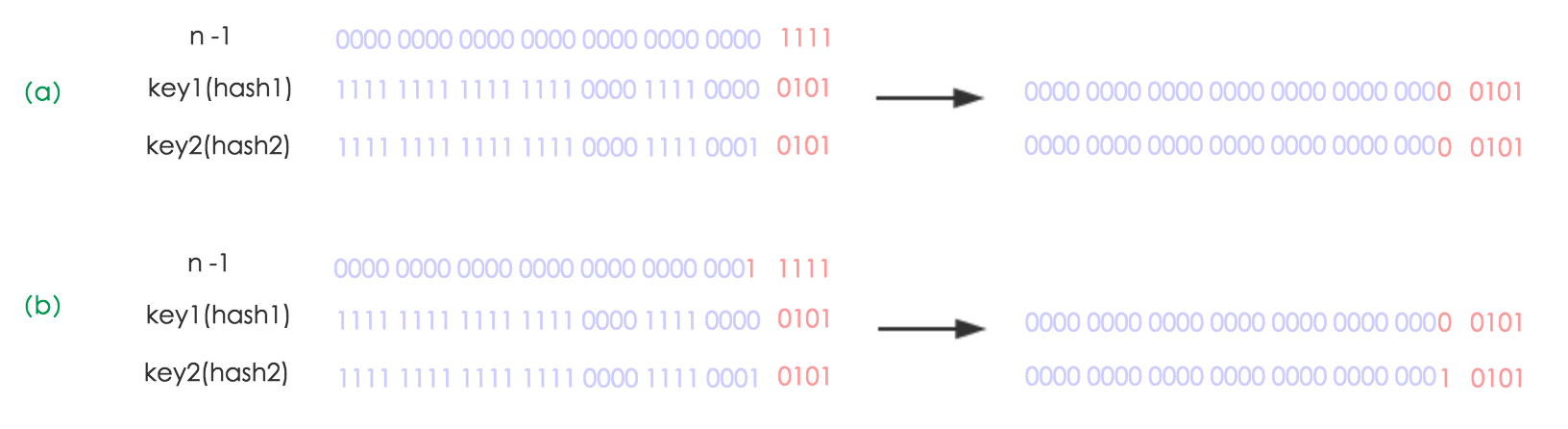
举个例子(例子来自https://blog.csdn.net/lianhuazy167/article/details/66967698)

4、修改方法
4.1、put
     public V put(K key, V value) {

         return putVal(hash(key), key, value, false, true);

     }

     /**

      * @param hash 计算出来key的hash值

      * @param key key的值

      * @param value value的值

      * @param onlyIfAbsent 当为true的时候,如果key对应有值,则不修改这个值

      * @param evict 当为false时,表示这个处于创建模式,现在由于afterNodeInsertion中什么都没有,这里没有实际意

      *           evict参数用于LinkedHashMap中的尾部操作

      */

     final V putVal(int hash, K key, V value, boolean onlyIfAbsent,

                    boolean evict) {

         Node<K,V>[] tab; Node<K,V> p; int n, i;

         //判断当table为null或者tab的长度为0时,即table尚未初始化,此时通过resize()方法得到初始化的table

         if ((tab = table) == null || (n = tab.length) == 0)

             n = (tab = resize()).length;

         //当p为null时,表明tab[i]上没有任何元素,那么接下来就new第一个Node节点,调用newNode方法返回新节点赋值给tab[i]

         if ((p = tab[i = (n - 1) & hash]) == null)

             tab[i] = newNode(hash, key, value, null);

         else {

             Node<K,V> e; K k;

             //HashMap中判断key相同的条件是key的hash相同,并且符合equals方法。这里判断了p.key是否和插入的key相等,如果相等,则将p的引用赋给e

             //这里为什么要把p赋值给e,而不是直接覆盖原值呢?答案很简单,现在我们只判断了第一个节点,后面还可能出现key相同,所以需要在最后一并处理

             if (p.hash == hash &&

                 ((k = p.key) == key || (key != null && key.equals(k))))

                 e = p;

             else if (p instanceof TreeNode)

                 //现在开始了第一种情况,p是红黑树节点,那么肯定插入后仍然是红黑树节点,所以我们直接强制转型p后调用TreeNode.putTreeVal方法,返回的引用赋给e

                 e = ((TreeNode<K,V>)p).putTreeVal(this, tab, hash, key, value);

             else {

                 for (int binCount = 0; ; ++binCount) {

                     //最后一个参数为新节点的next,这里传入null,保证了新节点继续为该链表的末端

                     if ((e = p.next) == null) {

                         p.next = newNode(hash, key, value, null);

                       //插入成功后,要判断是否需要转换为红黑树,因为插入后链表长度加1,而binCount并不包含新节点,所以判断时要将临界阈值减1

                         if (binCount >= TREEIFY_THRESHOLD - 1) // -1 for 1st

                             treeifyBin(tab, hash);

                         break;

                     }

                     //在遍历链表的过程中,我之前提到了,有可能遍历到与插入的key相同的节点,此时只要将这个节点引用赋值给e,最后通过e去把新的value覆盖掉就可以了

                     if (e.hash == hash &&

                         ((k = e.key) == key || (key != null && key.equals(k))))

                         break;

                     p = e;

                 }

             }

             //左边注释为jdk自带注释,说的很明白了,针对已经存在key的情况做处理

             if (e != null) { // existing mapping for key

                 V oldValue = e.value;

                 if (!onlyIfAbsent || oldValue == null)

                     e.value = value;

                 afterNodeAccess(e);

                 return oldValue;

             }

         }

         //收尾工作,值得一提的是,对key相同而覆盖oldValue的情况,在前面已经return,不会执行这里,所以那一类情况不算数据结构变化,并不改变modCount值

         ++modCount;

         //当HashMap中存在的node节点大于threshold时,hashmap进行扩容

         if (++size > threshold)

             resize();

         afterNodeInsertion(evict);

         return null;

     }
4.2、putAll
     public void putAll(Map<? extends K, ? extends V> m) {

         putMapEntries(m, true);

     }

     /**

      * @param m 需要放入的Map

      * @param evict 在此处并无意义

      */

     final void putMapEntries(Map<? extends K, ? extends V> m, boolean evict) {

         //获取添加元素的数量

         int s = m.size();

         //添加的Map中有元素

         if (s > 0) {

             //table == null表达现在还没有被初始化

             if (table == null) { // pre-size

                 //通过加载因子计算出大概需要初始化的空间

                 float ft = ((float)s / loadFactor) + 1.0F;

                 //检查这个需要的空间有没有大于最大容量MAXIMUM_CAPACITY

                 int t = ((ft < (float)MAXIMUM_CAPACITY) ?

                          (int)ft : MAXIMUM_CAPACITY);

                 //如果大于了当前resize()的阈值,就要重新计算

                 if (t > threshold)

                     //这里会得到一个比t大的最小的2的整数次幂的值

                     threshold = tableSizeFor(t);

             }

             else if (s > threshold)//在已经创建Map的情况下,s如果直接大于阈值,直接重构现在的Map

                 resize();

             //将传入的Map的每个值都插入到现在的Map中

             for (Map.Entry<? extends K, ? extends V> e : m.entrySet()) {

                 K key = e.getKey();

                 V value = e.getValue();

                 putVal(hash(key), key, value, false, evict);

             }

         }

     }
4.3、remove
     public V remove(Object key) {

         Node<K,V> e;

         return (e = removeNode(hash(key), key, null, false, true)) == null ?

             null : e.value;

     }

     /**

      * @param hash key的hash值

      * @param key key的值

      * @param value 传入匹配的value值,如果matchValue=false,直接忽略

      * @param matchValue 为true时,会去进一步匹配value

      * @param movable if false do not move other nodes while removing

      * @return the node, or null if none

      */

     final Node<K,V> removeNode(int hash, Object key, Object value,

                                boolean matchValue, boolean movable) {

         Node<K,V>[] tab; Node<K,V> p; int n, index;

         //确定table已经被初始化,并且其中有元素,并且对应的 hash值有元素

         if ((tab = table) != null && (n = tab.length) > 0 &&

             (p = tab[index = (n - 1) & hash]) != null) {

             Node<K,V> node = null, e; K k; V v;

             //判断当前这个找到的元素是不是目标元素,如果是的话赋值给node

             if (p.hash == hash &&

                 ((k = p.key) == key || (key != null && key.equals(k))))

                 node = p;

             //不是的话,就从相同hash值的所有元素中去查找

             else if ((e = p.next) != null) {

                 if (p instanceof TreeNode)

                     //该列表已经转换成红黑树的情况

                     node = ((TreeNode<K,V>)p).getTreeNode(hash, key);

                 else {

                     //在列表中查找的情况

                     do {

                         if (e.hash == hash &&

                             ((k = e.key) == key ||

                              (key != null && key.equals(k)))) {

                             node = e;

                             break;

                         }

                         p = e;

                     } while ((e = e.next) != null);

                 }

             }

             //找到了目标节点

             if (node != null && (!matchValue || (v = node.value) == value ||

                                  (value != null && value.equals(v)))) {

                 if (node instanceof TreeNode)//是红黑树节点的情况

                     ((TreeNode<K,V>)node).removeTreeNode(this, tab, movable);

                 else if (node == p)//是一个链表开头元素的情况

                     tab[index] = node.next;

                 else

                     p.next = node.next;//是一个链表中间元素的情况

                 ++modCount;//结构改变,需要加一

                 --size;

                 afterNodeRemoval(node);

                 return node;

             }

         }

         return null;

     }
4.4、clear
     public void clear() {

         Node<K,V>[] tab;

         modCount++;//对table结构修改加一

         if ((tab = table) != null && size > 0) {

             size = 0;

             //释放数组的每一个指针

             for (int i = 0; i < tab.length; ++i)

                 tab[i] = null;

         }

     }
5、查询方法
     public V get(Object key) {

         Node<K,V> e;

         return (e = getNode(hash(key), key)) == null ? null : e.value;

     }

     public boolean containsKey(Object key) {

         return getNode(hash(key), key) != null;

     }

     /**

      * Implements Map.get and related methods

      *

      * @param hash hash for key

      * @param key the key

      * @return the node, or null if none

      */

     final Node<K,V> getNode(int hash, Object key) {

         Node<K,V>[] tab; Node<K,V> first, e; int n; K k;

         //根据输入的hash值,可以直接计算出对应的下标(n - 1)& hash,缩小查询范围,如果存在结果,则必定在table的这个位置上

         if ((tab = table) != null && (n = tab.length) > 0 &&

             (first = tab[(n - 1) & hash]) != null) {

             //判断第一个存在的节点的key是否和查询的key相等。如果相等,直接返回该节点

             if (first.hash == hash && // always check first node

                 ((k = first.key) == key || (key != null && key.equals(k))))

                 return first;

           //遍历该链表/红黑树直到next为null

             if ((e = first.next) != null) {

                  //当这个table节点上存储的是红黑树结构时,在根节点first上调用getTreeNode方法,在内部遍历红黑树节点,查看是否有匹配的TreeNode

                 if (first instanceof TreeNode)

                     return ((TreeNode<K,V>)first).getTreeNode(hash, key);

               //当这个table节点上存储的是链表结构时,方法同上

                 do {

                     if (e.hash == hash &&

                         ((k = e.key) == key || (key != null && key.equals(k))))

                         return e;

                 } while ((e = e.next) != null);

             }

         }

         return null;

     }
6、静态方法
     /**

      * 对于这个函数,我想说两点,第一点是支持key==null,返回位置为0

      * 第二点是(h = key.hashCode()) ^ (h >>> 16),一个int32bit

      * 这里正好将高16位移到了低16位,然后产生的hash值即包含了高位信息又包含了低位信息

      * 还解决了地址空间不够引起的冲突问题

      */

     static final int hash(Object key) {

         int h;

         return (key == null) ? 0 : (h = key.hashCode()) ^ (h >>> 16);

     }

     /**

      * 当x的类型为X,且X直接实现了Comparable接口(比较类型必须为X类本身)时,返回x的运行时类型;否则返回null。

      */

     static Class<?> comparableClassFor(Object x) {

         if (x instanceof Comparable) {// 判断是否实现了Comparable接口

             Class<?> c; Type[] ts, as; Type t; ParameterizedType p;

             if ((c = x.getClass()) == String.class) // bypass checks

                 return c; // 如果是String类型,直接返回String.class

             if ((ts = c.getGenericInterfaces()) != null) {// 判断是否有直接实现的接口

                 for (int i = 0; i < ts.length; ++i) { // 遍历直接实现的接口

                     if (((t = ts[i]) instanceof ParameterizedType) &&// 该接口实现了泛型

                         ((p = (ParameterizedType)t).getRawType() ==// 获取接口不带参数部分的类型对象

                          Comparable.class) &&//  该类型是Comparable

                         (as = p.getActualTypeArguments()) != null && // 获取泛型参数数组

                         as.length == 1 && as[0] == c) // 只有一个泛型参数,且该实现类型是该类型本身

                         return c;

                 }

             }

         }

         return null;

     }

     /**

      * kc是k的类型,并且可以比较

      */

     @SuppressWarnings({"rawtypes","unchecked"}) // for cast to Comparable

     static int compareComparables(Class<?> kc, Object k, Object x) {

         return (x == null || x.getClass() != kc ? 0 :

                 ((Comparable)k).compareTo(x));

     }

     /**

      * 返回不小于cap的最小的2的整次幂

      */

     static final int tableSizeFor(int cap) {

         int n = cap - 1;

         n |= n >>> 1;

         n |= n >>> 2;

         n |= n >>> 4;

         n |= n >>> 8;

         n |= n >>> 16;

         return (n < 0) ? 1 : (n >= MAXIMUM_CAPACITY) ? MAXIMUM_CAPACITY : n + 1;

     }
7、迭代器
     /**

      * 这里我感觉设计的还挺好的,这里是编写了一个Node节点的迭代器,这是一个抽象类,虽然是个抽象类,但是没哟抽象方法

      * 留下了next方法去给子类实现,因为子类只有nest返回的东西是不同的

      */

     abstract class HashIterator {

         Node<K,V> next;        // next entry to return

         Node<K,V> current;     // current entry

         int expectedModCount;  // for fast-fail

         int index;             // current slot

         HashIterator() {

             expectedModCount = modCount;

             Node<K,V>[] t = table;

             current = next = null;

             index = 0;

             if (t != null && size > 0) { // advance to first entry

                 do {} while (index < t.length && (next = t[index++]) == null);

             }

         }

         public final boolean hasNext() {

             return next != null;

         }

         final Node<K,V> nextNode() {

             Node<K,V>[] t;

             Node<K,V> e = next;

             //注意,这里在生成迭代器后,如果原来的图不是通过迭代器进行对图结构修改,那么就会报错

             if (modCount != expectedModCount)

                 throw new ConcurrentModificationException();

             if (e == null)

                 throw new NoSuchElementException();

             if ((next = (current = e).next) == null && (t = table) != null) {

                 do {} while (index < t.length && (next = t[index++]) == null);

             }

             return e;

         }

         public final void remove() {

             Node<K,V> p = current;

             if (p == null)

                 throw new IllegalStateException();

             //在不是通过remove修改之前,通过其他方式是不允许修改图的结构的

             if (modCount != expectedModCount)

                 throw new ConcurrentModificationException();

             current = null;

             K key = p.key;

             removeNode(hash(key), key, null, false, false);

             expectedModCount = modCount;

         }

     }

     final class KeyIterator extends HashIterator

         implements Iterator<K> {

         public final K next() { return nextNode().key; }

     }

     final class ValueIterator extends HashIterator

         implements Iterator<V> {

         public final V next() { return nextNode().value; }

     }

     final class EntryIterator extends HashIterator

         implements Iterator<Map.Entry<K,V>> {

         public final Map.Entry<K,V> next() { return nextNode(); }

     }
8、并行遍历迭代器
     /**

      * jdk1.8发布后,对于并行处理的能力大大增强,Spliterator就是为了并行遍历元素而设计的一个迭代器,

      * jdk1.8中的集合框架中的数据结构都默认实现了spliterator

      *

      */

     static class HashMapSpliterator<K,V> {

         final HashMap<K,V> map;

         Node<K,V> current;          // 当前节点

         int index;                  // 当前节点下标,advance/split会修改这个值

         int fence;                  // 最后一个节点的下标,注意这里不是元素个数,而是数组下标

         int est;                    // 预测还有多少个元素

         int expectedModCount;       // 得到当前Map的结构修改次数

         HashMapSpliterator(HashMap<K,V> m, int origin,

                            int fence, int est,

                            int expectedModCount) {

             this.map = m;

             this.index = origin;

             this.fence = fence;

             this.est = est;

             this.expectedModCount = expectedModCount;

         }

         final int getFence() { // initialize fence and size on first use

             int hi;

             if ((hi = fence) < 0) {//当小于0的时候说明还没有初始化

                 HashMap<K,V> m = map;

                 est = m.size;

                 expectedModCount = m.modCount;

                 Node<K,V>[] tab = m.table;

                 hi = fence = (tab == null) ? 0 : tab.length;//这里可以看到给出的是数组长度

             }

             return hi;

         }

         public final long estimateSize() {

             getFence(); // 这里是防止还没有初始化的情况

             return (long) est;

         }

     }

     static final class KeySpliterator<K,V>

         extends HashMapSpliterator<K,V>

         implements Spliterator<K> {

         KeySpliterator(HashMap<K,V> m, int origin, int fence, int est,

                        int expectedModCount) {

             super(m, origin, fence, est, expectedModCount);

         }

         /**

          * 这个方法相当于把未遍历的元素分成两半,然后将前一半生成一个KeySpliterator,当前这个KeySpliterator

          * 处理后一半数据

          */

         public KeySpliterator<K,V> trySplit() {

             int hi = getFence(), lo = index, mid = (lo + hi) >>> 1;

             return (lo >= mid || current != null) ? null :

                 new KeySpliterator<>(map, lo, index = mid, est >>>= 1,//est >>>= 1的意思是est = est >>> 1

                                         expectedModCount);

         }

         /**

          * 这个方法就是通过action方法处理还没有处理的元素

          */

         public void forEachRemaining(Consumer<? super K> action) {

             int i, hi, mc;

             if (action == null)

                 throw new NullPointerException();

             HashMap<K,V> m = map;

             Node<K,V>[] tab = m.table;

             if ((hi = fence) < 0) {//如果还没有被初始化

                 mc = expectedModCount = m.modCount;

                 hi = fence = (tab == null) ? 0 : tab.length;

             }

             else

                 mc = expectedModCount;//这个mc就是为了在KeySpliterator调用的过程中确认没有通过其他的方式改变Map的结构

             if (tab != null && tab.length >= hi &&

                 (i = index) >= 0 && (i < (index = hi) || current != null)) {

                 Node<K,V> p = current;

                 current = null;

                 do {

                     if (p == null)//这里是处理数组

                         p = tab[i++];

                     else {//这里是处理链表

                         action.accept(p.key);

                         p = p.next;

                     }

                 } while (p != null || i < hi);

                 if (m.modCount != mc)

                     throw new ConcurrentModificationException();

             }

         }

         //单个对元素执行给定的动作,如果有剩下元素未处理返回true,否则返回false

         public boolean tryAdvance(Consumer<? super K> action) {

             int hi;

             if (action == null)

                 throw new NullPointerException();

             Node<K,V>[] tab = map.table;

             if (tab != null && tab.length >= (hi = getFence()) && index >= 0) {

                 while (current != null || index < hi) {

                     if (current == null)

                         current = tab[index++];

                     else {

                         K k = current.key;

                         current = current.next;

                         action.accept(k);

                         if (map.modCount != expectedModCount)

                             throw new ConcurrentModificationException();

                         return true;

                     }

                 }

             }

             return false;

         }

         //返回当前对象有哪些特征值

         public int characteristics() {

             return (fence < 0 || est == map.size ? Spliterator.SIZED : 0) |

                 Spliterator.DISTINCT;

         }

     }

     //下面的就不再赘述,只是用方法处理的对象不一样,其他的都和上面一样

     static final class ValueSpliterator<K,V>

         extends HashMapSpliterator<K,V>

         implements Spliterator<V> {

         ValueSpliterator(HashMap<K,V> m, int origin, int fence, int est,

                          int expectedModCount) {

             super(m, origin, fence, est, expectedModCount);

         }

         public ValueSpliterator<K,V> trySplit() {

             int hi = getFence(), lo = index, mid = (lo + hi) >>> 1;

             return (lo >= mid || current != null) ? null :

                 new ValueSpliterator<>(map, lo, index = mid, est >>>= 1,

                                           expectedModCount);

         }

         public void forEachRemaining(Consumer<? super V> action) {

             int i, hi, mc;

             if (action == null)

                 throw new NullPointerException();

             HashMap<K,V> m = map;

             Node<K,V>[] tab = m.table;

             if ((hi = fence) < 0) {

                 mc = expectedModCount = m.modCount;

                 hi = fence = (tab == null) ? 0 : tab.length;

             }

             else

                 mc = expectedModCount;

             if (tab != null && tab.length >= hi &&

                 (i = index) >= 0 && (i < (index = hi) || current != null)) {

                 Node<K,V> p = current;

                 current = null;

                 do {

                     if (p == null)

                         p = tab[i++];

                     else {

                         action.accept(p.value);

                         p = p.next;

                     }

                 } while (p != null || i < hi);

                 if (m.modCount != mc)

                     throw new ConcurrentModificationException();

             }

         }

         public boolean tryAdvance(Consumer<? super V> action) {

             int hi;

             if (action == null)

                 throw new NullPointerException();

             Node<K,V>[] tab = map.table;

             if (tab != null && tab.length >= (hi = getFence()) && index >= 0) {

                 while (current != null || index < hi) {

                     if (current == null)

                         current = tab[index++];

                     else {

                         V v = current.value;

                         current = current.next;

                         action.accept(v);

                         if (map.modCount != expectedModCount)

                             throw new ConcurrentModificationException();

                         return true;

                     }

                 }

             }

             return false;

         }

         public int characteristics() {

             return (fence < 0 || est == map.size ? Spliterator.SIZED : 0);

         }

     }

     static final class EntrySpliterator<K,V>

         extends HashMapSpliterator<K,V>

         implements Spliterator<Map.Entry<K,V>> {

         EntrySpliterator(HashMap<K,V> m, int origin, int fence, int est,

                          int expectedModCount) {

             super(m, origin, fence, est, expectedModCount);

         }

         public EntrySpliterator<K,V> trySplit() {

             int hi = getFence(), lo = index, mid = (lo + hi) >>> 1;

             return (lo >= mid || current != null) ? null :

                 new EntrySpliterator<>(map, lo, index = mid, est >>>= 1,

                                           expectedModCount);

         }

         public void forEachRemaining(Consumer<? super Map.Entry<K,V>> action) {

             int i, hi, mc;

             if (action == null)

                 throw new NullPointerException();

             HashMap<K,V> m = map;

             Node<K,V>[] tab = m.table;

             if ((hi = fence) < 0) {

                 mc = expectedModCount = m.modCount;

                 hi = fence = (tab == null) ? 0 : tab.length;

             }

             else

                 mc = expectedModCount;

             if (tab != null && tab.length >= hi &&

                 (i = index) >= 0 && (i < (index = hi) || current != null)) {

                 Node<K,V> p = current;

                 current = null;

                 do {

                     if (p == null)

                         p = tab[i++];

                     else {

                         action.accept(p);

                         p = p.next;

                     }

                 } while (p != null || i < hi);

                 if (m.modCount != mc)

                     throw new ConcurrentModificationException();

             }

         }

         public boolean tryAdvance(Consumer<? super Map.Entry<K,V>> action) {

             int hi;

             if (action == null)

                 throw new NullPointerException();

             Node<K,V>[] tab = map.table;

             if (tab != null && tab.length >= (hi = getFence()) && index >= 0) {

                 while (current != null || index < hi) {

                     if (current == null)

                         current = tab[index++];

                     else {

                         Node<K,V> e = current;

                         current = current.next;

                         action.accept(e);

                         if (map.modCount != expectedModCount)

                             throw new ConcurrentModificationException();

                         return true;

                     }

                 }

             }

             return false;

         }

         public int characteristics() {

             return (fence < 0 || est == map.size ? Spliterator.SIZED : 0) |

                 Spliterator.DISTINCT;

         }

     }
9、JDK1.8新增的方法部分
     @Override

     public V getOrDefault(Object key, V defaultValue) {//如果没有key的情况下会返回defaultValue

         Node<K,V> e;

         return (e = getNode(hash(key), key)) == null ? defaultValue : e.value;

     }

     @Override

     public V putIfAbsent(K key, V value) {//当存在key的时候,不会用value去覆盖

         return putVal(hash(key), key, value, true, true);

     }

     @Override

     public boolean remove(Object key, Object value) {//当key和value都相同时,才去删除这个值

         return removeNode(hash(key), key, value, true, true) != null;

     }

     @Override

     public boolean replace(K key, V oldValue, V newValue) {//当key和oldValue都相同时,用newValue去代替oldValue

         Node<K,V> e; V v;

         if ((e = getNode(hash(key), key)) != null &&

             ((v = e.value) == oldValue || (v != null && v.equals(oldValue)))) {

             e.value = newValue;

             afterNodeAccess(e);

             return true;

         }

         return false;

     }

     @Override

     public V replace(K key, V value) {//这个和上面方法不同在于,不用确定旧的值,直接覆盖,并且返回oldValue

         Node<K,V> e;

         if ((e = getNode(hash(key), key)) != null) {

             V oldValue = e.value;

             e.value = value;

             afterNodeAccess(e);

             return oldValue;

         }

         return null;

     }

     /**

      * 这个方法就类似于get方法,但是不同之处在于当key不存在时不时返回null,而是通过mappingFunction计算出一个值返回

      */

     @Override

     public V computeIfAbsent(K key,

                              Function<? super K, ? extends V> mappingFunction) {

         if (mappingFunction == null)

             throw new NullPointerException();

         int hash = hash(key);

         Node<K,V>[] tab; Node<K,V> first; int n, i;

         int binCount = 0;

         TreeNode<K,V> t = null;

         Node<K,V> old = null;

         if (size > threshold || (tab = table) == null ||

             (n = tab.length) == 0)

             n = (tab = resize()).length;

         if ((first = tab[i = (n - 1) & hash]) != null) {

             if (first instanceof TreeNode)

                 old = (t = (TreeNode<K,V>)first).getTreeNode(hash, key);

             else {

                 Node<K,V> e = first; K k;

                 do {

                     if (e.hash == hash &&

                         ((k = e.key) == key || (key != null && key.equals(k)))) {

                         old = e;

                         break;

                     }

                     ++binCount;

                 } while ((e = e.next) != null);

             }

             V oldValue;

             if (old != null && (oldValue = old.value) != null) {

                 afterNodeAccess(old);

                 return oldValue;

             }

         }

         V v = mappingFunction.apply(key);

         if (v == null) {

             return null;

         } else if (old != null) {

             old.value = v;

             afterNodeAccess(old);

             return v;

         }

         else if (t != null)

             t.putTreeVal(this, tab, hash, key, v);

         else {

             tab[i] = newNode(hash, key, v, first);

             if (binCount >= TREEIFY_THRESHOLD - 1)

                 treeifyBin(tab, hash);

         }

         ++modCount;

         ++size;

         afterNodeInsertion(true);

         return v;

     }

     //这个方法和尚一个方法不同的是,这个方法在key存在时,通过key和value算出一个新的value返回,如果不存在,返回null

     public V computeIfPresent(K key,

                               BiFunction<? super K, ? super V, ? extends V> remappingFunction) {

         if (remappingFunction == null)

             throw new NullPointerException();

         Node<K,V> e; V oldValue;

         int hash = hash(key);

         if ((e = getNode(hash, key)) != null &&

             (oldValue = e.value) != null) {

             V v = remappingFunction.apply(key, oldValue);

             if (v != null) {

                 e.value = v;

                 afterNodeAccess(e);

                 return v;

             }

             else

                 removeNode(hash, key, null, false, true);

         }

         return null;

     }

     @Override

     //这个方法综合了上面的两个方法,都会带入remappingFunction进行运算新值,并且替换旧值

     public V compute(K key,

                      BiFunction<? super K, ? super V, ? extends V> remappingFunction) {

         if (remappingFunction == null)

             throw new NullPointerException();

         int hash = hash(key);

         Node<K,V>[] tab; Node<K,V> first; int n, i;

         int binCount = 0;

         TreeNode<K,V> t = null;

         Node<K,V> old = null;

         if (size > threshold || (tab = table) == null ||

             (n = tab.length) == 0)

             n = (tab = resize()).length;

         if ((first = tab[i = (n - 1) & hash]) != null) {

             if (first instanceof TreeNode)

                 old = (t = (TreeNode<K,V>)first).getTreeNode(hash, key);

             else {

                 Node<K,V> e = first; K k;

                 do {

                     if (e.hash == hash &&

                         ((k = e.key) == key || (key != null && key.equals(k)))) {

                         old = e;

                         break;

                     }

                     ++binCount;

                 } while ((e = e.next) != null);

             }

         }

         V oldValue = (old == null) ? null : old.value;

         V v = remappingFunction.apply(key, oldValue);

         if (old != null) {

             if (v != null) {

                 old.value = v;

                 afterNodeAccess(old);

             }

             else

                 removeNode(hash, key, null, false, true);

         }

         else if (v != null) {

             if (t != null)

                 t.putTreeVal(this, tab, hash, key, v);

             else {

                 tab[i] = newNode(hash, key, v, first);

                 if (binCount >= TREEIFY_THRESHOLD - 1)

                     treeifyBin(tab, hash);

             }

             ++modCount;

             ++size;

             afterNodeInsertion(true);

         }

         return v;

     }

     @Override

     //这个函数就是将oldVAlue和value通过remappingFunction进行一下混合,然后代替旧值

     public V merge(K key, V value,

                    BiFunction<? super V, ? super V, ? extends V> remappingFunction) {

         if (value == null)

             throw new NullPointerException();

         if (remappingFunction == null)

             throw new NullPointerException();

         int hash = hash(key);

         Node<K,V>[] tab; Node<K,V> first; int n, i;

         int binCount = 0;

         TreeNode<K,V> t = null;

         Node<K,V> old = null;

         if (size > threshold || (tab = table) == null ||

             (n = tab.length) == 0)

             n = (tab = resize()).length;

         if ((first = tab[i = (n - 1) & hash]) != null) {

             if (first instanceof TreeNode)

                 old = (t = (TreeNode<K,V>)first).getTreeNode(hash, key);

             else {

                 Node<K,V> e = first; K k;

                 do {

                     if (e.hash == hash &&

                         ((k = e.key) == key || (key != null && key.equals(k)))) {

                         old = e;

                         break;

                     }

                     ++binCount;

                 } while ((e = e.next) != null);

             }

         }

         if (old != null) {

             V v;

             if (old.value != null)

                 v = remappingFunction.apply(old.value, value);

             else

                 v = value;

             if (v != null) {

                 old.value = v;

                 afterNodeAccess(old);

             }

             else

                 removeNode(hash, key, null, false, true);

             return v;

         }

         if (value != null) {

             if (t != null)

                 t.putTreeVal(this, tab, hash, key, value);

             else {

                 tab[i] = newNode(hash, key, value, first);

                 if (binCount >= TREEIFY_THRESHOLD - 1)

                     treeifyBin(tab, hash);

             }

             ++modCount;

             ++size;

             afterNodeInsertion(true);

         }

         return value;

     }

     @Override

     //对于Map中的每一项,进行action运算

     public void forEach(BiConsumer<? super K, ? super V> action) {

         Node<K,V>[] tab;

         if (action == null)

             throw new NullPointerException();

         if (size > 0 && (tab = table) != null) {

             int mc = modCount;

             for (int i = 0; i < tab.length; ++i) {

                 for (Node<K,V> e = tab[i]; e != null; e = e.next)

                     action.accept(e.key, e.value);

             }

             if (modCount != mc)

                 throw new ConcurrentModificationException();

         }

     }

     @Override

     //Map中所有的值,都会被function(key,value)替换为新值

     public void replaceAll(BiFunction<? super K, ? super V, ? extends V> function) {

         Node<K,V>[] tab;

         if (function == null)

             throw new NullPointerException();

         if (size > 0 && (tab = table) != null) {

             int mc = modCount;

             for (int i = 0; i < tab.length; ++i) {

                 for (Node<K,V> e = tab[i]; e != null; e = e.next) {

                     e.value = function.apply(e.key, e.value);

                 }

             }

             if (modCount != mc)

                 throw new ConcurrentModificationException();

         }

     }
三、HashMap的非线程安全(见博客https://www.cnblogs.com/softidea/p/7261111.html)
随笔3 HashMap<K,V>的更多相关文章
- Java集合源码分析(七)HashMap<K, V>
一.HashMap概述 HashMap基于哈希表的 Map 接口的实现.此实现提供所有可选的映射操作,并允许使用 null 值和 null 键.(除了不同步和允许使用 null 之外,HashMap ...
- Java源码 HashMap<K,V>
HashMap类 https://docs.oracle.com/javase/8/docs/api/java/util/HashMap.html public class HashMap<K, ...
- 随笔4 Dictionary<K,V>
本来说是想介绍一下Hashtable的,但是发现HashMap和Hashtable最开始的不同就是在于HashMap继承了AbstractMap,而Hashtable继承了Dictionary< ...
- 随笔2 AbstractMap<K,V>
上一篇写了Map接口的源码分析,这一篇写一下Map接口的一个实现类AbstractMap,从名字就可以看出这是一个抽象类,提供了Map接口的骨架实现,为我们实现Map接口的时候提供了很大的便利.在这里 ...
- java:警告:[unchecked] 对作为普通类型 java.util.HashMap 的成员的put(K,V) 的调用未经检查
java:警告:[unchecked] 对作为普通类型 java.util.HashMap 的成员的put(K,V) 的调用未经检查 一.问题:学习HashMap时候,我做了这样一个程序: impor ...
- 统计字符串中每种字符出现的评率(HashMap中getOrDefault(K, V)方法的使用)
为了统计字符串中每种字符出现的频率,使用HashMap这种数据结构.其中,字符作为Key,出现的频率作为Value. 基本算法为: 1. 将字符串分成字符数组 2. (1)如果HashMap中的Key ...
- 随笔1 interface Map<K,V>
第一次写笔记就从map开始吧,如上图所示,绿色的是interface,黄色的是abstract class,蓝色的是class,可以看出所有和图相关的接口,抽象类和类的起源都是interface ma ...
- 关于jsp利用EL和struts2标签来遍历ValueStack的东东 ------> List<Map<K,V>> 以及 Map<K,<List<xxx>>> 的结构遍历
//第一种结构Map<K,<List<xxx>>> <body> <% //显示map<String,List<Object>& ...
- [编程语言][java][java se]java泛型中? T K V E含义(学习)
? 表示不确定的java类型,类型是未知的. T 表示java类型. K V 分别代表java键值中的Key Value. E 代表Element,特性是枚举. 1.意思 jdk中的K,V, ...
随机推荐
- hashcode、equals、HashMap间的关系
1.从Object说起package com.hallo.collection; public class ObjectDemo { public static void main(String[] ...
- window下启动redis服务
---恢复内容开始--- 在windows环境下启动redis服务,前提是你安装好了,启动如下: 一,进入redis的安装目录下,在地址栏输入“cmd”,回车 二,然后会进入cmd界面,直接运行命令r ...
- 麦子lavarel---10、一些第三方应用注意
麦子lavarel---10.一些第三方应用注意 一.总结 一句话总结: 其实把重要的几个功能弄一个就好了,邮箱验证,手机号验证,支付验证,都是调用第三方接口,也很简单 1.关于页面和服务端校验的看法 ...
- Non-local Neural Networks
1. 摘要 卷积和循环神经网络中的操作都是一次处理一个局部邻域,在这篇文章中,作者提出了一个非局部的操作来作为捕获远程依赖的通用模块. 受计算机视觉中经典的非局部均值方法启发,我们的非局部操作计算某一 ...
- redux源码浅入浅出
运用redux有一段时间了,包括redux-thunk和redux-saga处理异步action都有一定的涉及,现在技术栈转向阿里的dva+antd,好用得不要不要的,但是需要知己知彼要对react家 ...
- 从 spring-cloud-alibaba-nacos-config 进入 nacos-client
sc 的 bootstrap context 是 main application context 的 parent,需要在 main application context 中使用的 bean 可以 ...
- sprint test 添加事务回滚机制
1.原因: 单元测试的时候频繁操作数据库需要修改很多数据,造成不必要的操作,添加事务之后就可以重复对一条数据进行操作,并且在返回结果后进行回滚. 2.解决: 原先继承的是 AbstractJUnit ...
- c++调用c#代码
// ConsoleApplication1.cpp : 此文件包含 "main" 函数.程序执行将在此处开始并结束. // #include "pch.h" ...
- 剑指offer--day09
1.1 题目:栈的压入.弹出序列:输入两个整数序列,第一个序列表示栈的压入顺序,请判断第二个序列是否可能为该栈的弹出顺序.假设压入栈的所有数字均不相等.例如序列1,2,3,4,5是某栈的压入顺序,序列 ...
- SpringBoot(二) -- SpringBoot配置
一.配置文件 SpringBoot可以使用两种类型的配置文件(文件名固定): application.properties application.yml 配置文件的作用就是来修改SpringBoot ...