
Mybatis需要注意的细节
mybatis第二篇
1.${}和#{}的区别
- 1.#在传参的时候,会自动拼接单引号;$不能拼接单引号;
2.$传参时,一般不支持jdbcType指定类型的写法;#则可以;如:
#{name,jdbcType=VARCHAR}
3.$一般用于在sql中拼接表名,结果排序,模糊查询等操作;其他正常参数传递一般使用
4.因为${}使用后不会自动拼接单引号,所以可能还会导致sql攻击
select * from user where username=${username} and password=${username}
当输入值为" ttt' or '22'='22' 时,sql就被替换为
select * from user where username='ttt' or '22'='22' and password='ttt' or '22'='22'
在影射文件中结果类型的处理
	<resultMap type="cn.sz.gl.pojo.DeptPlus" id="deptinfo">

		<result column="deptno" property="deptno"/>

		<result column="dname" property="dname"/>

		<result column="loc" property="loc"/>

            <!--第一种,通过association  标签实现连表查询

                <association  column="deptno" property="dept"

                select="cn.sz.gl.dao.DeptDao.findById"></association>-->

            <!--第二种 连表查询,多对一模式

		<collection property="emplist">

				<id column="empno" property="empno"/>

				<result column="ename" property="ename"/>

				<result column="job" property="job"/>

				<result column="hiredate" property="hiredate"/>

				<result column="sal" property="sal"/>

				<result column="comm" property="comm"/>

		</collection>

              -->

	    <!-- 方案3 联表查询下,一对多-->

		<collection property="emplist" column="deptno"

                    ofType="cn.sz.gl.pojo.Emp" javaType="java.util.List"

                     select="cn.sz.gl.pojo.Emp.findByDeptno"></collection>

	</resultMap>

	<!--根据部门编号查看部门所有员工  1对多-->

	<select id="findByIdlist" resultMap="deptinfo" parameterType="java.lang.String">

		select deptno, dname, loc from dept	 where deptno=#{deptno}

	</select>
定义接口方法
    /**

	 * 根据部门编号查看部门所有员工

	 * @param deptno Integer

	 * @return DeptPlus 部门和员工的组合

	 */

	public DeptPlus findByIdlist(Integer deptno);
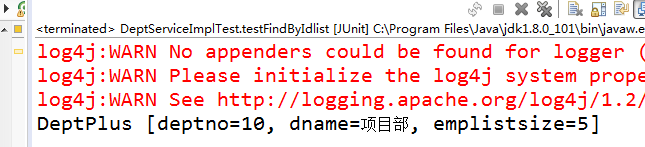
测试
@Test

	public void testFindByIdlist() {

		SqlSession sqlsession

				=MySqlSessionFactory.getMySqlSession();

		//通过工厂调用getMapper获取接口实例

		DeptDao dao = sqlsession.getMapper(DeptDao.class);

		System.out.println(dao.findByIdlist(10));

		MySqlSessionFactory.closeSqlSession();

	}
2.在插入数据时获取主键
<!-- 增加 -->

<insert id="insert" parameterType="cn.sz.gl.pojo.Users" >

	insert into users(id,name,password)

	values(users_seq.nextval, #{name,jdbcType=VARCHAR},

	#{password,jdbcType=VARCHAR})

</insert>
这里提供两种方案
在oracle中,因为自身使用序列自增策略
我们在insert语句中加入selectKey 这样就会把主键,映射到实体类的主键上
<insert id="insert" parameterType="cn.sz.gl.pojo.Users" >

    <selectKey order="AFTER" keyProperty="empno" resultType=" java.lang.Integer">

			select emp_seq.currval from daul

		</selectKey>

	insert into users(id,name,password)

	values(users_seq.nextval, #{name,jdbcType=VARCHAR},

	#{password,jdbcType=VARCHAR})

</insert>
对于mysql和mssql的主键自增策略
先设置启用主键自增策略,将属性useGeneratedKeys="true,指定返回到实体类的属性名,设置对应列名keyColumn="empno",后就会映射到实体类之中
	<!-- 增加 -->

	<insert id="insert" parameterType="cn.sz.gl.pojo.Emp" useGeneratedKeys="true" keyColumn="empno" keyProperty="empno" >

		insert into emp(empno, ename, job, mgr, hiredate, sal, comm, deptno)

		values(emp_seq.nextval, #{ename,jdbcType=VARCHAR}, #{job,jdbcType=VARCHAR}, #{mgr,jdbcType=NUMERIC}, #{hiredate,jdbcType=DATE}, #{sal,jdbcType=NUMERIC}, #{comm,jdbcType=NUMERIC}, #{deptno,jdbcType=NUMERIC})

	</insert>
3.ThreadLocal本地线程的使用
现编写工具类MySqlSessionFactory.java
public class MySqlSessionFactory {

	private static final String RESOURCE = "mybatis_config.xml";

	private static SqlSessionFactoryBuilder builder = null;

	private static SqlSessionFactory factory = null;

	private static ThreadLocal<SqlSession> threadLocal = new ThreadLocal<SqlSession>();

	static{

		try {

			InputStream is = Resources.getResourceAsStream(RESOURCE);

			builder = new SqlSessionFactoryBuilder();

			factory = builder.build(is);

		} catch (IOException e) {

			System.out.println("加载配置文件.....");

		}

	}

	public static SqlSession getMySqlSession() {

		SqlSession sqlSession = threadLocal.get();

		if(sqlSession==null) {

			sqlSession = factory.openSession();

			threadLocal.set(sqlSession);

		}

		return sqlSession;

	}

	public static void closeSqlSession() {

		SqlSession sqlSession = threadLocal.get();

		if(sqlSession!=null) {

			sqlSession.close();

		}

		threadLocal.set(null);

	}

}
使用在service中
public class UsersServiceImpl implements UsersService {

	private static SqlSession sqlsession

				=MySqlSessionFactory.getMySqlSession();

	private UsersDao dao = null;

	/**

	 * 查询全部

	 * @return

	 */

	public List<Users> findAll(){

		try {

			dao=sqlsession.getMapper(UsersDao.class);

			return dao.findAll();

		} catch (Exception e) {

			System.out.println("findAll'查询列表失败!");

		}

		return Collections.EMPTY_LIST;

	}

}
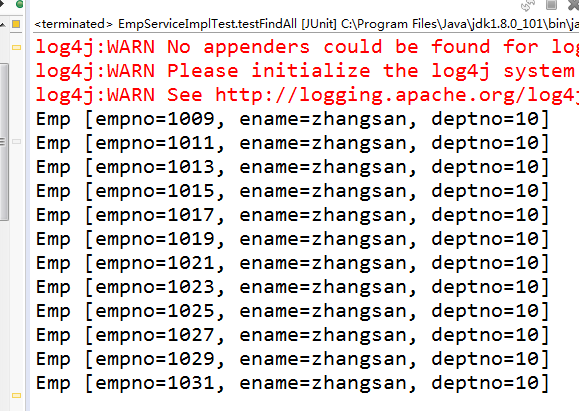
测试
public class UsersServiceImplTest {

	private UsersService service=null;

	@Before

	public void init() {

		service=new UsersServiceImpl();

	}

	@Test

	public void testFindAll() {

		service.findAll().forEach(System.out::println);

	}

}
Mybatis需要注意的细节的更多相关文章
- Mybatis学习的一些细节
一.mybatis 基本配置 最近几天一直在学习mybatis,看了一些源码,本文讲述mybatis的一些基本配置和基本的用法和注意到一些细节.个人时间和精力有限,本文属于流水账类型,不成体系,算是自 ...
- mybatis不可忽略的细节
自我总结,欢迎拍砖! 目的:在需要返回int,long等基础类型数据的情况下,尽量在mybatis的Mapper中用基础类型的包装类. 原因:当查询的字段为空值时,mybatis会返回null,用基础 ...
- mybatis使用注意的细节
1.mybatis对sql执行后会对结果进行封装,如果没有返回任何记录,只是封装后的对象没有值,而对象并不为空null: (这个问题疏忽坑了两次,在对返回数组结果进行判断的时候,我用的if(Array ...
- mybatis的一些小细节
Mybatis要解决的问题: 1. 将sql语句硬编码到java代码中,如果修改sql语句,需要修改java代码,重新编译.系统可维护性不高. 设想如何解决? 能否将sql单独配置在配置文件中. 2. ...
- IntelliJ IDEA 2017版 spring-boot2.0.4+mybatis 自动部署的细节问题
一.加载pom依赖包 <!--spring-boot开发热部署--> <dependency> <groupId>org.springframework.boot& ...
- MyBatis中的特殊符号[20160713]
今天中午回到工位已经是12:20多了,没有时间睡觉了,本想着还能提前开始,结果看了点新闻之后,又是12:40了,所以新闻坚决不能看,执行力. 今天主要记录一下MyBatis中的特殊符号的问题,这个问题 ...
- 6、SpringBoot+Mybatis整合------参数传递
开发工具:STS 代码下载链接:https://github.com/theIndoorTrain/SpringBoot_Mybatis/tree/7892801d804d2060774f3720f8 ...
- 图解Mybatis框架原理及使用
1.前言 努力学习完ssm框架之后,终于也成功的把三大框架的使用以及配置文件细节忘得一干二净.为了努力捡起来以及方便今后的复习,决定写一篇博客记录一下. 本博客的所有分析都是在持久层接口以及接口中的方 ...
- mybatis框架的第二天
一.mybatis的基础crud的操作 先在接口中,写对应的方法名称,返回类型,访问符. 之后在映射配置文件中,写具体的实现 二.mybati中crud的细节 1.模糊查询 这是接口中 这是xml中 ...
随机推荐
- 一 linuk系统简介
开源软件 使用的自由,绝大多数开源软件免费 研究的自由,可以获得软件源代码 散播及改良的自由,可以自由传播 改良甚至销售 linuk应用领域 基于linuk的企业服务器 扫描踩点网站www.netcr ...
- Previous operation has not finished; run 'cleanup' if it was interrupted最简单有效的解决方法
今天提交代码报错,看了看提示的错误,百度了一下,发现操作都比较繁琐,所以自己重新给一个最简单有效的. 有的要下载sqlite3.exe,借助它清空本地.svn\wc.db数据库文件里面的operati ...
- 移动端vue项目的图片上传插件
有一移动端项目,使用的vant-ui.可是vant自带的Uploader似乎不支持一次选择多张图片上传的功能. 于是乎:在https://www.npmjs.com/查找发现找到 vue-upload ...
- beta 2/2 阶段中间产物提交
此作业要求参见:https://edu.cnblogs.com/campus/nenu/2019fall/homework/9961 一.小组情况 队名:扛把子 组长:孙晓宇 组员:宋晓丽 梁梦瑶 韩 ...
- 都是为了生活组——‘’都是为了吃饭”微信小程序评价
基于NABCD评论作品,及改进建议 1.根据NABCD评论,作品的选题 N(Need,需求) 纠结症是目前在年轻人身上普遍存在着的问题,食堂食物众多,每次在吃饭前都要纠结好久,大大浪费了时间,还容易产 ...
- oracle插入,更新,删除数据
插入,更新,删除数据 oracle提供了功能丰富的数据库管理语句 包括有效的向数据库中插入数据的insert语句 更新数据的update语句 以及当数据不再使用时删除数据的delete语句 更改数据之 ...
- 【原创】(十二)Linux内存管理之vmap与vmalloc
背景 Read the fucking source code! --By 鲁迅 A picture is worth a thousand words. --By 高尔基 说明: Kernel版本: ...
- ctf线下赛中检测外来IP的shell脚本
该脚本可用于ctf线下赛中,用来检测攻击IP的接入,及时做出响应. #!/bin/bash #写自己队的ip ipA="172.22.60.230" ipB="172.2 ...
- SpringBoot 整合 Zookeeper 接入Starring微服务平台
背景 最近接的一个项目是基于公司产品Starring做的微服务支付平台,纯后台项目,实现三方支付公司和银行接口来完成用户账户扣款,整合成通用支付接口发布给前端调用. 但是扯蛋了,这边前端什么都不想做, ...
- node.js+react全栈实践
利用业余时间写了个简单的项目,使用react+node.js做的一个全栈实践项目,前端参考了[React-Admin-Starter](https://github.com/veryStarters/ ...