
usb之python(pyusb)
电脑系统为WIN7 64位
python:为python3.6 32位
需要插件PyUSB-1.0.0.tar,pywinusb-0.4.2。
按照的步骤我偷懒了,自己百度一下。
我们先看设备管理的
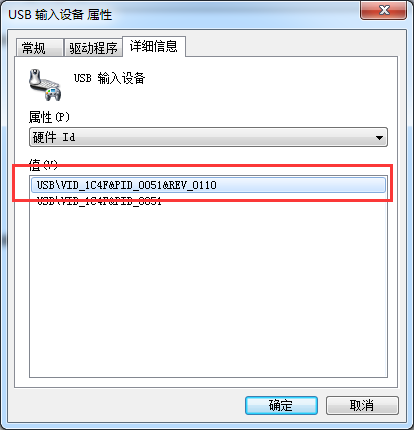
测试代码如下
#!/usr/bin/python
# -*- coding:utf-8 -*-

import usb.util

import sys

#USB\VID_1C4F&PID_0051

dev =  usb.core.find(idVendor= 0x1C4F, idProduct= 0x0051)

if dev is None:

    raise ValueError('Device not found')

print(dev)

# set the active configuration. With no arguments, the first

# configuration will be the active one

cfg = dev.get_active_configuration()
测试结果
Python 3.6.0 (v3.6.0:41df79263a11, Dec 23 2016, 07:18:10) [MSC v.1900 32 bit (Intel)] on win32

Type "copyright", "credits" or "license()" for more information.

>>>

================== RESTART: C:\Users\libra\Desktop\2222.py ==================

DEVICE ID 1c4f:0051 on Bus 003 Address 002 =================

 bLength                :   0x12 (18 bytes)

 bDescriptorType        :    0x1 Device

 bcdUSB                 :  0x110 USB 1.1

 bDeviceClass           :    0x0 Specified at interface

 bDeviceSubClass        :    0x0

 bDeviceProtocol        :    0x0

 bMaxPacketSize0        :    0x8 (8 bytes)

 idVendor               : 0x1c4f

 idProduct              : 0x0051

 bcdDevice              :  0x110 Device 1.1

 iManufacturer          :    0x1

 iProduct               :    0x2

 iSerialNumber          :    0x0

 bNumConfigurations     :    0x1

  CONFIGURATION 1: 100 mA ==================================

   bLength              :    0x9 (9 bytes)

   bDescriptorType      :    0x2 Configuration

   wTotalLength         :   0x22 (34 bytes)

   bNumInterfaces       :    0x1

   bConfigurationValue  :    0x1

   iConfiguration       :    0x0

   bmAttributes         :   0xa0 Bus Powered, Remote Wakeup

   bMaxPower            :   0x32 (100 mA)

    INTERFACE 0: Human Interface Device ====================

     bLength            :    0x9 (9 bytes)

     bDescriptorType    :    0x4 Interface

     bInterfaceNumber   :    0x0

     bAlternateSetting  :    0x0

     bNumEndpoints      :    0x1

     bInterfaceClass    :    0x3 Human Interface Device

     bInterfaceSubClass :    0x1

     bInterfaceProtocol :    0x2

     iInterface         :    0x0

      ENDPOINT 0x81: Interrupt IN ==========================

       bLength          :    0x7 (7 bytes)

       bDescriptorType  :    0x5 Endpoint

       bEndpointAddress :   0x81 IN

       bmAttributes     :    0x3 Interrupt

       wMaxPacketSize   :    0x4 (4 bytes)

       bInterval        :    0xa
如果先出现系统无法识别的话
可以参考
https://stackoverflow.com/questions/33972145/pyusb-on-windows-8-1-no-backend-available-how-to-install-libusb
| I downloaded latest libusb windows binaries from here: http://sourceforge.net/projects/libusb/files/libusb-1.0/libusb-1.0.20/libusb-1.0.20.7z/download then I copied libusb1.dll according to this: when you are on 64-bit Windows, MS64\dll\libusb-1.0.dll must be copied into C:\Windows\System32 and (for running 32-bit applications that use libusb) MS32\dll\libusb-1.0.dll must be copied into C:\Windows\SysWOW64. and then I copied libusb1.lib from binaries to lib dir in python directory and now pyusb works for me. hope it helps. |
继续
#!/usr/bin/python
# -*- coding:utf-8 -*-

import usb.core

import usb.util

import sys

#USB\VID_1C4F&PID_0051

dev =  usb.core.find(idVendor= 0x1C4F, idProduct= 0x0051)

if dev is None:

    raise ValueError('Device not found')

print(dev)

# set the active configuration. With no arguments, the first

# configuration will be the active one

cfg = dev.get_active_configuration()

print("#"*60)

print(cfg)
================= RESTART: C:/Users/libra/Desktop/3333333.py =================

DEVICE ID 1c4f:0051 on Bus 003 Address 002 =================

 bLength                :   0x12 (18 bytes)

 bDescriptorType        :    0x1 Device

 bcdUSB                 :  0x110 USB 1.1

 bDeviceClass           :    0x0 Specified at interface

 bDeviceSubClass        :    0x0

 bDeviceProtocol        :    0x0

 bMaxPacketSize0        :    0x8 (8 bytes)

 idVendor               : 0x1c4f

 idProduct              : 0x0051

 bcdDevice              :  0x110 Device 1.1

 iManufacturer          :    0x1

 iProduct               :    0x2

 iSerialNumber          :    0x0

 bNumConfigurations     :    0x1

  CONFIGURATION 1: 100 mA ==================================

   bLength              :    0x9 (9 bytes)

   bDescriptorType      :    0x2 Configuration

   wTotalLength         :   0x22 (34 bytes)

   bNumInterfaces       :    0x1

   bConfigurationValue  :    0x1

   iConfiguration       :    0x0

   bmAttributes         :   0xa0 Bus Powered, Remote Wakeup

   bMaxPower            :   0x32 (100 mA)

    INTERFACE 0: Human Interface Device ====================

     bLength            :    0x9 (9 bytes)

     bDescriptorType    :    0x4 Interface

     bInterfaceNumber   :    0x0

     bAlternateSetting  :    0x0

     bNumEndpoints      :    0x1

     bInterfaceClass    :    0x3 Human Interface Device

     bInterfaceSubClass :    0x1

     bInterfaceProtocol :    0x2

     iInterface         :    0x0

      ENDPOINT 0x81: Interrupt IN ==========================

       bLength          :    0x7 (7 bytes)

       bDescriptorType  :    0x5 Endpoint

       bEndpointAddress :   0x81 IN

       bmAttributes     :    0x3 Interrupt

       wMaxPacketSize   :    0x4 (4 bytes)

       bInterval        :    0xa

############################################################

  CONFIGURATION 1: 100 mA ==================================

   bLength              :    0x9 (9 bytes)

   bDescriptorType      :    0x2 Configuration

   wTotalLength         :   0x22 (34 bytes)

   bNumInterfaces       :    0x1

   bConfigurationValue  :    0x1

   iConfiguration       :    0x0

   bmAttributes         :   0xa0 Bus Powered, Remote Wakeup

   bMaxPower            :   0x32 (100 mA)

    INTERFACE 0: Human Interface Device ====================

     bLength            :    0x9 (9 bytes)

     bDescriptorType    :    0x4 Interface

     bInterfaceNumber   :    0x0

     bAlternateSetting  :    0x0

     bNumEndpoints      :    0x1

     bInterfaceClass    :    0x3 Human Interface Device

     bInterfaceSubClass :    0x1

     bInterfaceProtocol :    0x2

     iInterface         :    0x0

      ENDPOINT 0x81: Interrupt IN ==========================

       bLength          :    0x7 (7 bytes)

       bDescriptorType  :    0x5 Endpoint

       bEndpointAddress :   0x81 IN

       bmAttributes     :    0x3 Interrupt

       wMaxPacketSize   :    0x4 (4 bytes)

       bInterval        :    0xa
usb之python(pyusb)的更多相关文章
- [开发笔记usbTOcan]PyUSB访问设备
前面的几个章节的介绍,基本把usbTOcan的底层代码设计好,现在需要介绍PC端的PyUSB进行简单的测试. 在文章开始之前,需要简单的介绍一下整个系统. 0 | 部署 这里使用了两块TM4C123G ...
- 学习日志 - Openwrt安装python然后wallproxy
前提: - 先要把U盘插入路由器的usb口,大多数情况Openwrt都会自动挂载的吧,尽量找当前年或前一年的固件.ssh进路由器,可以看到/mnt/sda1 - 让路由器联网,因为需要从网络上下载安 ...
- OPENWRT安装Python到U盘
http://www.zcilxl.com/tech/23.html 研究了一下如何将软件安装在OPENWRT挂载的U盘上,以Python为例,把过程记录一下. 安装的前提是你的USB设备已经成功挂载 ...
- 极路由4pro(HC5962)安装python
基本配置 其实极路由4.极路由4 pro.极路由B70都是一个型号的(HC5962) CPU:MT7621AT + MT7612EN + 7603EN 内存:256MB DDR3 RAM 闪存:128 ...
- Openwrt路由器上安装python
在路由器安装python之前,还是经过了一番折腾的.淘宝上买了个已经刷好系统的小米迷你路由器,但里面安装的不是预期的Pandorbox,而是LEDE. 这个固件已经带了大量自带的软件,128的内存实在 ...
- Python+Appium实现自动抢微信红包
前言 过年的时候总是少不了红包,不知从何时开始微信红包横空出世,对于网速和手速慢的人只能在一旁观望,做为python的学习者就是要运用编程解决生活和工作上的事情. 于是我用python解决我们的手速问 ...
- Openwrt 安装软件到U盘或硬盘
http://blog.licess.org/openwrt-install-software-to-udisk-harddisk/ 运行一个多月的DDNAS被结婚来玩的小孩给关了,于是趁机更新了一下 ...
- python 之serial、pyusb 使用开发
说明:本次是在windows 系统操作实现的. serial 使用场景,获取得力扫码枪的扫码数据,该扫码枪支持三种通讯接口设置,如下图 即插即用的是 USB-KBW功能,插上去即可获取扫码数据,第二种 ...
- windodws pyusb hub端口对应连接的usb设备
源码: 1 #!/usr/bin/python 2 import sys 3 import usb.core 4 # find USB devices 5 dev = usb.core.find(fi ...
随机推荐
- gerrit配置和使用
参考http://www.cnblogs.com/tesky0125/p/5973642.html 1.安装gerrit replication插件 mkdir ~/tmp cp gerrit-2.1 ...
- 【正则表达式】使用正则表达式的group,查找出String中的参数值
需求 指标基本格式: clm.{type}.{hostId}.$metricItem 示例1: // 待匹配表达式:<hostId: 为36位的UUID> summarize(clm.pm ...
- 流媒体技术笔记(DarwinStreamingServer相关)
简介 Darwin Streaming Server简称DSS.DSS是Apple公司提供的开源实时流媒体播放服务器程序.整个程序使用C++编写,在设计上遵循高性能,简单,模块化等程序设计原则,务求做 ...
- Python实现简单的网页抓取
现在开源的网页抓取程序有很多,各种语言应有尽有. 这里分享一下Python从零开始的网页抓取过程 第一步:安装Python 点击下载适合的版本https://www.python.org/ 我这里选择 ...
- R read.table 一个问题的解决
Warning message: In scan(file, what, nmax, sep, dec, quote, skip, nlines, na.strings, : EOF within q ...
- 自动化 数据分离 --A文件里面的类 中的函数 调用 B文件里面类 的函数 的方法
记录: bb 要实例化 self.dr=dr,那么 iber_test类的 self.dr 才能带过去
- spring中关于<context:component-scan>的使用说明(转)
https://blog.csdn.net/liuxingsiye/article/details/52171508 通常情况下我们在创建spring项目的时候在xml配置文件中都会配置这个表情,配置 ...
- SpringMVC 请求响应流程
SpringMVC的工作原理图: SpringMVC流程 1. 用户发送请求至前端控制器DispatcherServlet. 2. DispatcherServlet收到请求调用HandlerMa ...
- C# DataReader
//1 连接字符串 string connectionString = "server=127.0.0.1;integrated security=true;database=MSPetSh ...
- 第11章 拾遗1:网络地址转换(NAT)和端口映射
1. 网络地址转换(NAT) 1.1 NAT的应用场景 (1)应用场景:允许将私有IP地址映射到公网地址,以减缓IP地址空间的消耗 ①需要连接Internet,但主机没有公网IP地址 ②更换了一个新的 ...