
asp.net MVC之AuthorizeAttribute浅析
AuthorizeAttribute是asp.net MVC的几大过滤器之一,俗称认证和授权过滤器,也就是判断登录与否,授权与否。当为某一个Controller或Action附加该特性时,没有登录或授权的账户是不能访问这些Controller或Action的。
在进入一个附加了Authorize特性的Controller或Action之前,首先执行的是AuthorizeAttribute类的OnAuthorization(AuthorizationContext filterContext)方法,接着OnAuthorization方法会去调用其他的诸如AuthorizeCore方法。
在将AuthorizeAttribute类反编译之后得到如下代码,一看就清晰明了:
using System;

using System.Collections.Generic;

using System.Linq;

using System.Security.Principal;

using System.Web.Mvc.Properties;

namespace System.Web.Mvc

{

    /// <summary>Specifies that access to a controller or action method is restricted to users who meet the authorization requirement.</summary>

    [AttributeUsage(AttributeTargets.Class | AttributeTargets.Method, Inherited = true, AllowMultiple = true)]

    public class AuthorizeAttribute : FilterAttribute, IAuthorizationFilter

    {

        private static readonly char[] _splitParameter = new char[]

        {

            ','

        };

        private readonly object _typeId = new object();

        private string _roles;

        private string[] _rolesSplit = new string[];

        private string _users;

        private string[] _usersSplit = new string[];

        /// <summary>Gets or sets the user roles that are authorized to access the controller or action method.</summary>

        /// <returns>The user roles that are authorized to access the controller or action method.</returns>

        public string Roles

        {

            get

            {

                return this._roles ?? string.Empty;

            }

            set

            {

                this._roles = value;

                this._rolesSplit = AuthorizeAttribute.SplitString(value);

            }

        }

        /// <summary>Gets the unique identifier for this attribute.</summary>

        /// <returns>The unique identifier for this attribute.</returns>

        public override object TypeId

        {

            get

            {

                return this._typeId;

            }

        }

        /// <summary>Gets or sets the users that are authorized to access the controller or action method.</summary>

        /// <returns>The users that are authorized to access the controller or action method.</returns>

        public string Users

        {

            get

            {

                return this._users ?? string.Empty;

            }

            set

            {

                this._users = value;

                this._usersSplit = AuthorizeAttribute.SplitString(value);

            }

        }

        /// <summary>When overridden, provides an entry point for custom authorization checks.</summary>

        /// <returns>true if the user is authorized; otherwise, false.</returns>

        /// <param name="httpContext">The HTTP context, which encapsulates all HTTP-specific information about an individual HTTP request.</param>

        /// <exception cref="T:System.ArgumentNullException">The <paramref name="httpContext" /> parameter is null.</exception>

        protected virtual bool AuthorizeCore(HttpContextBase httpContext)

        {

            if (httpContext == null)

            {

                throw new ArgumentNullException("httpContext");

            }

            IPrincipal user = httpContext.User;

            return user.Identity.IsAuthenticated && (this._usersSplit.Length <=  || this._usersSplit.Contains(user.Identity.Name, StringComparer.OrdinalIgnoreCase)) && (this._rolesSplit.Length <=  || this._rolesSplit.Any(new Func<string, bool>(user.IsInRole)));

        }

        private void CacheValidateHandler(HttpContext context, object data, ref HttpValidationStatus validationStatus)

        {

            validationStatus = this.OnCacheAuthorization(new HttpContextWrapper(context));

        }

        /// <summary>Called when a process requests authorization.</summary>

        /// <param name="filterContext">The filter context, which encapsulates information for using <see cref="T:System.Web.Mvc.AuthorizeAttribute" />.</param>

        /// <exception cref="T:System.ArgumentNullException">The <paramref name="filterContext" /> parameter is null.</exception>

        public virtual void OnAuthorization(AuthorizationContext filterContext)

        {

            if (filterContext == null)

            {

                throw new ArgumentNullException("filterContext");

            }

            if (OutputCacheAttribute.IsChildActionCacheActive(filterContext))

            {

                throw new InvalidOperationException(MvcResources.AuthorizeAttribute_CannotUseWithinChildActionCache);

            }

            bool flag = filterContext.ActionDescriptor.IsDefined(typeof(AllowAnonymousAttribute), true) || filterContext.ActionDescriptor.ControllerDescriptor.IsDefined(typeof(AllowAnonymousAttribute), true);

            if (flag)

            {

                return;

            }

            if (this.AuthorizeCore(filterContext.HttpContext))

            {

                HttpCachePolicyBase cache = filterContext.HttpContext.Response.Cache;

                cache.SetProxyMaxAge(new TimeSpan(0L));

                cache.AddValidationCallback(new HttpCacheValidateHandler(this.CacheValidateHandler), null);

                return;

            }

            this.HandleUnauthorizedRequest(filterContext);

        }

        /// <summary>Processes HTTP requests that fail authorization.</summary>

        /// <param name="filterContext">Encapsulates the information for using <see cref="T:System.Web.Mvc.AuthorizeAttribute" />. The <paramref name="filterContext" /> object contains the controller, HTTP context, request context, action result, and route data.</param>

        protected virtual void HandleUnauthorizedRequest(AuthorizationContext filterContext)

        {

            filterContext.Result = new HttpUnauthorizedResult();

        }

        /// <summary>Called when the caching module requests authorization.</summary>

        /// <returns>A reference to the validation status.</returns>

        /// <param name="httpContext">The HTTP context, which encapsulates all HTTP-specific information about an individual HTTP request.</param>

        /// <exception cref="T:System.ArgumentNullException">The <paramref name="httpContext" /> parameter is null.</exception>

        protected virtual HttpValidationStatus OnCacheAuthorization(HttpContextBase httpContext)

        {

            if (httpContext == null)

            {

                throw new ArgumentNullException("httpContext");

            }

            if (!this.AuthorizeCore(httpContext))

            {

                return HttpValidationStatus.IgnoreThisRequest;

            }

            return HttpValidationStatus.Valid;

        }

        internal static string[] SplitString(string original)

        {

            if (string.IsNullOrEmpty(original))

            {

                return new string[];

            }

            IEnumerable<string> source =

                from piece in original.Split(AuthorizeAttribute._splitParameter)

                let trimmed = piece.Trim()

                where !string.IsNullOrEmpty(trimmed)

                select trimmed;

            return source.ToArray<string>();

        }

    }

}
通过以上描述,我们可以在自己的MVC程序中使用AuthorizeAttribute类或者其派生的子类来达到用户认证和授权的目的。
一、新建一个MVC项目
新建一个MVC项目,选择不用身份验证。
二、添加Model
为了达到演示目的,添加了一个简单的StudentViewModel,用来显示业务数据:
public class StudentViewModel {

        public int ID { get; set; }

        public string Name { get; set; }

        public string Tel { get; set; }

    }
添加一个UserViewModel,用来进行登录和角色授权:
    public class UserViewModel {

        [DisplayName("用户名")]

        public string UserName { get; set; }

        [DisplayName("密  码")]

        public string Pwd { get; set; }

        public Role Role { get; set; }

    }

    public enum Role {

        Admin=,

        Normal=,

        System=

    }
OK,本篇讲述就不去访问数据库了,直接用业务数据。然后我们再新建一个Data类,存放业务数据:
    public class Data {

        public static List<StudentViewModel> students = new List<StudentViewModel> {

            new StudentViewModel { ID=, Name="张三", Tel="" },

            new StudentViewModel { ID=, Name="李四", Tel="" },

            new StudentViewModel { ID=, Name="王五", Tel="" },

            new StudentViewModel { ID=, Name="赵六", Tel="" },

            new StudentViewModel { ID=, Name="孙琦", Tel="" }

        };

        public static List<UserViewModel> users = new List<UserViewModel> {

            new UserViewModel { UserName="admin", Pwd="", Role=Role.Admin },

            new UserViewModel { UserName="normal", Pwd="", Role=Role.Normal},

            new UserViewModel { UserName="system", Pwd="", Role=Role.System}

        };

    }
三、创建Controller控制器和视图
1、新建StudentController
Index视图是显示全部的Student数据,FindOne是显示一条Student数据。:
    public class StudentController : Controller {

        public ActionResult Index() {

            return View(Data.Data.students);

        }

        public ActionResult FindOne(int? id) {

            return View("Index", Data.Data.students.Where(s => s.ID == id));

        }

    }
现在没有对Student控制器做任何的身份和授权访问限制。接下来我们创建一个登陆用的控制器。
2、新建AccountController
    public class AccountController : Controller {

        //用于获取登录页面

        [HttpGet]

        public ActionResult Login() {

            return View();

        }

        //用于登录验证

        [HttpPost]

        public ActionResult Login(LoginViewModel login) {

            if (ModelState.IsValid) {

                UserViewModel clogin = Data.Data.users.Where(u => u.UserName == login.UserName && u.Pwd == login.Pwd).FirstOrDefault();

                if (clogin != null) {

                    //FormsAuthentication.SetAuthCookie有两个参数

                    //第一个参数:设置当前登录用户的标识,可以自定义

                    //第二个参数:

                    //true:设置永久的。可以在web.config中设置过期时间,喏,下面的timeout就是过期时间,以分钟为单位。如下所示:

                    //     < system.web >

                    //         < authentication mode = "Forms" >

                    //           < forms loginUrl = "~/Account/Login" timeout = "2" />

                    //        </ authentication >

                    //     </ system.web >

                    //false:设置当前会话时间为有效时间,浏览器或页面已关闭就需要重新登录。

                    FormsAuthentication.SetAuthCookie(clogin.UserName, false);

                    return RedirectToAction("FindOne", "Student", new { id =  });

                }

            }

            return View();

        }

        //用于注销登录

        [Authorize]

        [NoCache]

        public ActionResult LoginOut() {

            FormsAuthentication.SignOut();

            return RedirectToAction("Login", "Account");

        }

        //用于显示无权限消息

        public ActionResult NoPemission() {

            return View();

        }

    }
登陆页面如下:
@model MVCDemo2.ViewModels.UserViewModel

@{

    Layout = null;

}

<!DOCTYPE html>

<html>

<head>

    <meta name="viewport" content="width=device-width" />

    <title>Login</title>

    <link href="~/Content/w3.css" rel="stylesheet" />

    <style>

        html, body {

            margin: ;

            padding: ;

        }

        .main {

            width: 400px;

            height: 300px;

            position: absolute;

            left: ;

            top: ;

            right: ;

            bottom: ;

            margin: auto;

        }

    </style>

</head>

<body>

    <div class="main">

        <h3 class="w3-teal w3-center w3-margin-0" style="width:100%;">权限管理系统</h3>

        @using (Html.BeginForm("Login", "Account", FormMethod.Post, new { @class = "w3-container w3-card-4 w3-light-grey", style = "width:100%;" })) {

                <table class="w3-table">

                    <tr>

                        <td style="width:20%; vertical-align:middle;text-align:right;">@Html.LabelFor(x => x.UserName)</td>

                        <td style="width:80%;">@Html.TextBoxFor(x => x.UserName, new { @class = "w3-input w3-border", placeholder = "用户名" })</td>

                    </tr>

                    <tr class="w3-padding">

                        <td style="vertical-align:middle;text-align:right;">@Html.LabelFor(x => x.Pwd)</td>

                        <td>@Html.PasswordFor(x => x.Pwd, new { @class = "w3-input w3-border", placeholder = "密  码" })</td>

                    </tr>

                    <tr style="display:none;">

                        <td><input type="text" id="returnUrl" name="returnUrl" value="@Url.Encode(Request.Url.ToString())"/></td>

                    </tr>

                    <tr>

                        <td></td>

                        <td style="text-align:left;">

                            <div style="width:30%;"><button type="submit" class="w3-btn-block w3-teal">登录</button></div>

                        </td>

                    </tr>

                </table>

        }

    </div>

    @*<script>

        function login() {

        }

    </script>*@

</body>

</html>
无权限提示页面如下,也就是NoPemission:
@{

    Layout = null;

}

<!DOCTYPE html>

<html>

<head>

    <meta name="viewport" content="width=device-width" />

    <title>NoPemission</title>

</head>

<body>

    <div>

        您无权限操作该页面!

    </div>

</body>

</html>
四、创建MyAuthorizeAttribute权限验证类
创建MyAuthorizeAttribute类的目的是需要做身份验证和权限验证所用,通过继承AuthorizeAttribute类来达到目的:
    public class MyAuthorizeAttribute : AuthorizeAttribute {

        //设置是否拥有某些权限的状态码

        private int _status = ;

        protected override bool AuthorizeCore(HttpContextBase httpContext) {
            //切记:一定要在设置_status的方法的第一行初始化该字段,否则会出现问题。因为针对同一Action来说,上一次访问后完成后,下一次不同权限的账户又来访问,如果不初始化该_status字段,那么该_status字段值还是上一次的旧值。
            //估计绑定的Action的Controller实例还存在,没有被回收,等到下一次调用该Controller时,就是会激活该Controller实例
            _status=0;

            //判断当前登录的用户 是否已经登录过且身份认证被通过

            if (httpContext.User.Identity.IsAuthenticated) {

                //判断当前的Roles字段是否是空,是空的,则说明该控制器或Action不需要角色权限控制

                if (string.IsNullOrWhiteSpace(Roles)) return true;

                //通过半角逗号去获取一个权限数组

                string[] roles = Roles.Split(new string[] { "," }, StringSplitOptions.RemoveEmptyEntries);

                if (roles.Length <= ) return true;

                //找到当前登录的用户

                //httpContext.User.Identity.Name就是我们在Login验证登录时候设置的clogin.UserName。设置代码为FormsAuthentication.SetAuthCookie(clogin.UserName, false);

                UserViewModel user = Data.Data.users.Where(u => u.UserName == httpContext.User.Identity.Name).SingleOrDefault();

                //判断当前登录用户是否拥有访问该控制器或Action的权限,如果有,则返回true,可以访问;如果没有,则返回false,需要在OnAuthorization方法中设置该滤过器的Result。

                if (roles.Contains(((int)user.Role).ToString()))

                    return true;

                else {

                    //无角色权限 通过设置_status,可以在OnAuthorization方法中做出相应的判断,并设置相应的filterContext.Result

                    _status = ;

                    //授权失败

                    return false;

                }

            }

            //没有登录,则返回false,表明身份认证未通过,程序直接会跳转到登录页面,登录页面可在web.config中设置

            //  < system.web >

            //      < authentication mode = "Forms" >

            //         < forms loginUrl = "~/Account/Login" timeout = "2" />

            //      </ authentication >

            //  </ system.web >

            else return false;

        }

        public override void OnAuthorization(AuthorizationContext filterContext) {

            //执行父类的OnAuthorization方法

            base.OnAuthorization(filterContext);

            //如果当前的_status有状态变化,则返回相应的ActionResult。当前返回的是无权限查看的提示界面。

            if (_status == )

                filterContext.Result = new RedirectToRouteResult(new System.Web.Routing.RouteValueDictionary(new {

                    //需要跳转的Controller

                    controller = "Account",

                    //需要跳转的Action

                    action = "NoPemission",

                    //返回的字段说明

                    returnUrl = filterContext.HttpContext.Request.Url,

                    returnMessage = "您无权限查看!"

                }));

        }

    }
接着将MyAuthorizeAttribute特性类附加到StudentController的Action中,代码如下:
    public class StudentController : Controller {

        //只要登录成功,即可访问

        [MyAuthorize]

        public ActionResult Index() {

            return View(Data.Data.students);

        }

        //需要登录成功,且该用户角色为 1:Admin 3:System 的才可访问

        [MyAuthorize(Roles = "1,3")]

        public ActionResult FindOne(int? id) {

            return View("Index", Data.Data.students.Where(s => s.ID == id));

        }

    }
五、测试结果
首先我们将该站点的默认页面设置为Student\Index,设置方法如下:
    public class RouteConfig {

        public static void RegisterRoutes(RouteCollection routes) {

            routes.IgnoreRoute("{resource}.axd/{*pathInfo}");

            routes.MapRoute(

                name: "Default",

                url: "{controller}/{action}/{id}",

                defaults: new { controller = "Student", action = "Index", id = UrlParameter.Optional }

            );

        }

    }
接着运行程序:
因为站点启动的时候,默认访问的是Student控制器的Index行为方法,但我们在该Index行为方法附加了一个需要授权的特性MyAuthorize。因此,在没有登录之前去访问Index行为方法的话,就会跳转到我们在web.config配置文件中设置的登录地址。因此,第一次出现在我们眼前的是一个登录界面:
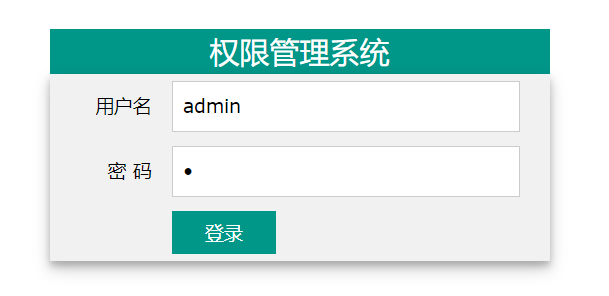
当我们输入正确的用户名和密码,并点击“登录”按钮后,就能进入Student控制器的Index行为方法了。如下图所示:

因为我们是用admin账号登录的,该账户的权限是Admin,因此我们也可以访问Student的FindOne行为方法。如下图所示:

接下来让我们点击“退出”,注销权限为Admin的admin账户,改用权限为Normal的normal账户试一下,看能否访问被权限控制的Student的FindOne行为方法。
输入账户名为normal,密码为1的账户信息,并点击“登录”按钮:

因为我们在Account的登录验证方法Login行为方法中标注登录验证成功后,就会跳转到Student的FindOne行为方法,因此只要账户名和密码输入正确就能验证是否能成功访问FindOne。请看如下结果:

果然,因为我们在FindOne方法中标注了只有1(Admin)和3(System)权限才能访问该方法,而Normal不在这些访问权限之内。
由此可见,我们可以通过继承AuthorizeAttribute类轻松地来达到身份验证和授权的目的,如果不在权限之内,就是不让你操作。
asp.net MVC之AuthorizeAttribute浅析的更多相关文章
- ASP.NET MVC自定义AuthorizeAttribute篇知识点讲解—登录限制
1.前言 a.微软对ASP.NET的开发从WebForm到MVC的转变,已经正式过去5,6个年头,现在WebForm和MVC也都越来越完善,小小算来我也已经工作了将近三年,从大学的时候学习ASP.NE ...
- asp.net mvc 使用AuthorizeAttribute做授权验证
授权验证,比如登陆验证 1.自定义属性继承AuthorizeAttribute 2.重写OnAuthorization方法 3.通过AllowAnonymousAttribute特性处理无需授权的Ac ...
- ASP.NET MVC 基于角色的权限控制系统的示例教程
上一次在 .NET MVC 用户权限管理示例教程中讲解了ASP.NET MVC 通过AuthorizeAttribute类的OnAuthorization方法讲解了粗粒度控制权限的方法,接下来讲解基于 ...
- Asp.Net Mvc: 浅析TempData机制(转发 作者: Tristan G )
Asp.Net Mvc: 浅析TempData机制 环境: Windows 2008, VS 2008 SP1, Asp.Net Mvc 1.0 --------------------------- ...
- 在ASP.NET MVC 3 中自定义AuthorizeAttribute时需要注意的页面缓存问题
一.ASP.NET MVC中使用OutputCache实现服务器端页面级缓存 在ASP.NET MVC中,假如我们想要将某个页面(即某个Action)缓存在服务器端,可以在Action上标上以下特性: ...
- asp.net MVC之Result过滤器浅析
在asp.net MVC中,每一个Action方法完成之后都会返回一个结果,而我们可以在Result过滤器中根据需要修改这个结果.例如可以根据UserAgent来判断客户端的来源是手机还是PC端,从而 ...
- asp.net MVC之Action过滤器浅析
在asp.net MVC中,Action过滤器是一大利器,它可以在以下两个步骤执行相关的代码: 1.执行Action方法之前:OnActionExecuting 2.Action方法执行完毕后:OnA ...
- Asp.Net Mvc: 浅析TempData机制
一. Asp.Net Mvc中的TempData 在Asp.Net Mvc框架的ControllerBase中存在一个叫做TempData的Property,它的类型为TempDataDictiona ...
- ASP.NET MVC开发:Web项目开发必备知识点
最近加班加点完成一个Web项目,使用Asp.net MVC开发.很久以前接触的Asp.net开发还是Aspx形式,什么Razor引擎,什么MVC还是这次开发才明白,可以算是新手. 对新手而言,那进行A ...
随机推荐
- SQL左右连接中的on and和on where的区别
SQL左右连接中的on and和on where的区别 左联时,ON后面的对左边表的条件对左边表数据无影响(因为左连接符合左边所有条件),但对右边表数据有影响,只有符合左边表条件时,右边表数据才会查出 ...
- 大数据-Hive 常用命令
Hive 启动 ~$ hive 退出 hive>quit; --退出hive or hive> exit; --exit会影响之前的使用,所以需要下一句kill掉hadoop的进程 > ...
- Go语言学习之3 流程控制、函数
主要内容: 1. strings和strconv使用2. Go中的时间和日期类型3. 指针类型4. 流程控制5. 函数详解 1. strings和strconv使用 //strings . strin ...
- Django中模型层中ORM的单表操作
ORM概念: MVC或者MVC框架中包括一个重要的部分,就是ORM,它实现了数据模型与数据库的解耦,即数据模型的设计不需要依赖于特定的数据库,通过简单的配置就可以轻松更换数据库,这极大的减轻了开发人员 ...
- word2013密钥
office 2013是一款功能强大的办公软件目前有两个版本分别为企业版和专业版,是继Microsoft Office 2010 后的新一代套装软件.2012年7月份,微软发布了免费的Office 2 ...
- python-day73--django-分页
''' 批量导入数据:bulk_create Booklist=[] for i in range(100): Booklist.append(Book(title="book"+ ...
- hdu-6437-最大费用流
Problem L.Videos Time Limit: 4000/2000 MS (Java/Others) Memory Limit: 524288/524288 K (Java/Other ...
- hdu 1025LIS思路同1257 二分求LIS
题目: Constructing Roads In JGShining's Kingdom Time Limit: 2000/1000 MS (Java/Others) Memory Limit ...
- 解决gitHub下载速度慢的问题
转载:http://blog.csdn.net/x_studying/article/details/72588324 github被某个CDN被伟大的墙屏蔽所致. 解决方法: 1.访问http:// ...
- GitHub学习二-将本地Git库与Github上的Git库相关联
0 git clone 如果是从自己的github clone,一键搞定,和三步的git remote add功能一样. 1.创建本地库 新建目录,右键git bash here,输入 git ini ...