
集合(一)Collection、List、ArrayList和Vector
一、Collection
集合存放在java.util包中,可以看作是集成好的数据结构,供你调用,十分方便,集合经常拿来和数组对比,其实我觉得没啥可比性,不过还是简单来看看它们的区别:
1.数组长度固定,而集合长度不固定。
2.集合只能存储对象,但数组不仅能存储基本类型还有对象数组。
3.集合存储的是对象的引用,对象本身不连续(待证实),而数组元素与元素内存连续。
4.一个数组只能存相同的数据类型,集合能存不同的数据类型。(补充例子)
先来张图,话说好像是第一次上图。。。

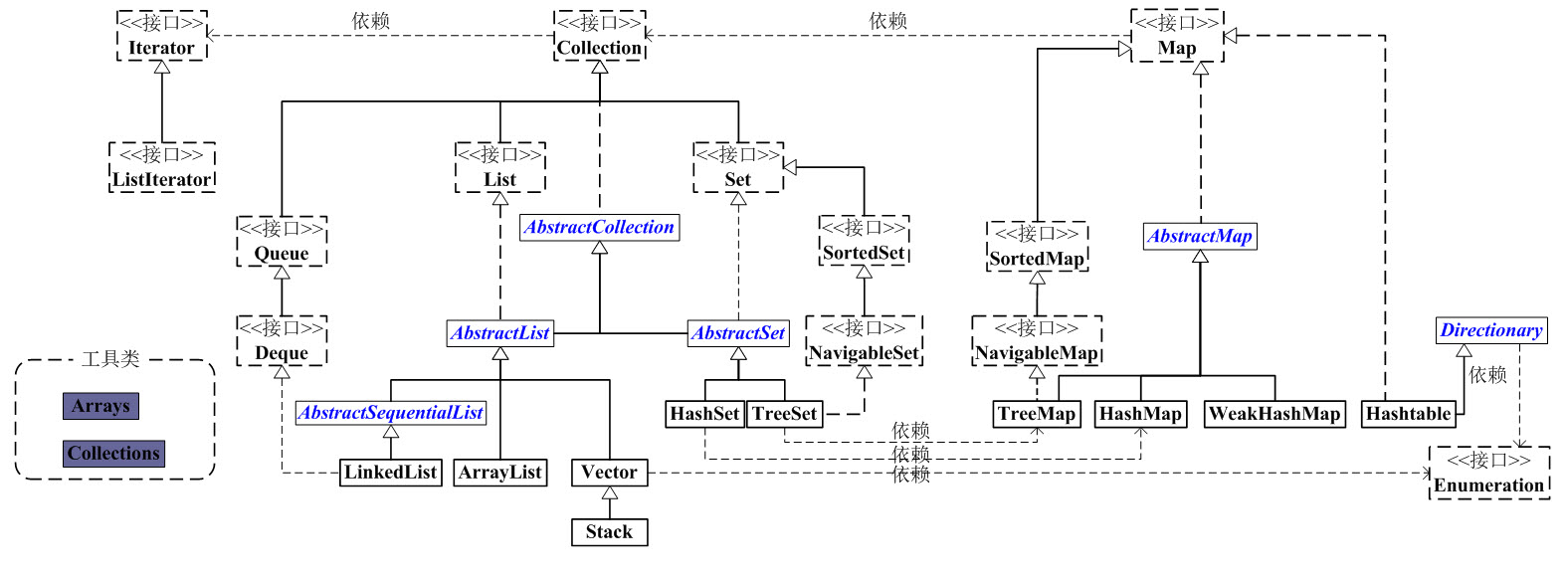
图1来源: http://www.cnblogs.com/taiwan/p/6954135.html
图2出处:http://www.cnblogs.com/skywang12345/p/io_07.html
这两个图展示了基本集合的关系,暂时也考虑按这个顺序来复习。Collection和Map是两个根接口,互不影响。
二、List
上篇也说到了List其实是一个接口,并且实现父接口Collection,实现它的类有ArrayList、Vector和LinkedList。
但基本上的使用方法都是:List l=new ArrayList(); List l=new Vector();
Collection和List的方法包括(均为JDK1.7的基本功能、例如Collection接口1.8版本新增4个功能 注:removeIf spliterator stream parallelStream,List接口新增3个功能 注:spliterator replaceAll sort):
abstract boolean         add(E object)

abstract boolean         addAll(Collection<? extends E> collection)

abstract void            clear()

abstract boolean         contains(Object object)

abstract boolean         containsAll(Collection<?> collection)

abstract boolean         equals(Object object)

abstract int             hashCode()           //equal和hashCode两个方法Object也有,Collection和List都是覆盖过的。

abstract boolean         isEmpty()            //注:Vector也有覆盖,但ArrayList和LinkedList没有。

abstract Iterator<E>     iterator()

abstract boolean         remove(Object object)

abstract boolean         removeAll(Collection<?> collection)

abstract boolean         retainAll(Collection<?> collection)

abstract int             size()

abstract <T> T[]         toArray(T[] array)

abstract Object[]        toArray()
————————————————上面是Collection,下面是List————————————————
abstract void                add(int location, E object)

abstract boolean             addAll(int location, Collection<? extends E> collection)

abstract E                   get(int location)

abstract int                 indexOf(Object object)

abstract int                 lastIndexOf(Object object)

abstract ListIterator<E>     listIterator(int location)

abstract ListIterator<E>     listIterator()

abstract E                   remove(int location)

abstract E                   set(int location, E object)

abstract List<E>             subList(int start, int end)
而对于实现List接口的主要三个数据结构分别是ArrayList、Vector、LinkedList,其中ArrayList和Vector是很类似的,都类似于可变长的对象数组,但是ArrayList不是线程安全的,而Vector是线程安全的,这个到学习线程部分再详说吧,暂时先理解为适合单线程和多线程。LinkedList则是链表(线程不安全,其实集合类中Vector、Stack、Hashtable和Enumeration是线程安全的,其余都是线程不安全的),适合增删操作较多时,那两个比较适合遍历操作,面向的任务不同。
1.对于ArrayList来说,新增的方法如下:
Object               clone()

void                 ensureCapacity(int minimumCapacity)

void                 trimToSize()

void                 removeRange(int fromIndex, int toIndex)

ArrayList是一个类,实现List接口,成员域有两个,分别为:
private int size; // 实际元素个数
transient Object[] elementData;  //数组存放内容
构造函数有3个,无参构造函数,capacity=10,size=0(但其实其中过程较为复杂,ArrayList是在添加第一个元素时才实现了初始容量为10的构造,
可以参考https://blog.csdn.net/jdsjlzx/article/details/52675726和https://blog.csdn.net/m0_37884977/article/details/80514809);
以initialCapacity 参数的构造函数,capacity=initialCapacity size=0;以Collection为参数的构造函数,size=capacity=原Collection的size;
     package list;

     import java.lang.reflect.Field;

     import java.util.ArrayList;

     public class Capacity {

         public static void main(String[] args) {

 //          ArrayList <Integer> al=new ArrayList<Integer>();

 //            ArrayList <Integer> al=new ArrayList<Integer>(4);

             ArrayList <Integer> bl=new ArrayList<Integer>();

             for(int i=0;i<9;i++)

             {

                 bl.add(i);

             }

             ArrayList <Integer> al=new ArrayList<Integer>(bl);

             System.out.println(al.size());

             System.out.println(getArrayListCapacity(al));

             al.add(1);

             System.out.println(al.size());

             System.out.println(getArrayListCapacity(al));

             for(int i=0;i<9;i++)

             {

                 al.add(i);

             }

             System.out.println(al.size());

             System.out.println(getArrayListCapacity(al));

             al.add(11);

             System.out.println(al.size());

             System.out.println(getArrayListCapacity(al));

             for(int i=0;i<5;i++)

             {

                 al.add(i);

             }

             System.out.println(al.size());

             System.out.println(getArrayListCapacity(al));

         }

         public static int getArrayListCapacity(ArrayList<?> arrayList) {

             Class<ArrayList> arrayListClass = ArrayList.class;

             try {

                 Field field = arrayListClass.getDeclaredField("elementData");

                 field.setAccessible(true);

                 Object[] objects = (Object[])field.get(arrayList);

                return objects.length;

             } catch (NoSuchFieldException e) {

                 e.printStackTrace();

                 return -1;

             } catch (IllegalAccessException e) {

                 e.printStackTrace();

                 return -1;

             }

         }

     }
当容量不够时,ArrayList自动扩容到1.5倍的下取整10-15-22-33;4-6-9-13-19;这个样子
关于ArrayList的操作直接上代码:
       /*ensureCapacity和trimToSize方法*/
       al.ensureCapacity(38);  //42 if parameter<1.5oldCapacity newCapacity=1.5Capacity else newCapacity=parameter

            System.out.println(getArrayListCapacity(al));

            al.ensureCapacity(43);  // 63

            System.out.println(getArrayListCapacity(al));

            al.trimToSize();    //使capacity=size

            System.out.println(al.size());

            System.out.println(getArrayListCapacity(al));
package list;

import java.util.ArrayList;

import java.util.Collection;

import java.util.Iterator;

import java.util.LinkedList;

import java.util.List;

import java.util.ListIterator;

import java.util.Vector;

//ArrayList Function

public class collection {

public static void main(String []args)

{

    ArrayList <Integer> a=new ArrayList<Integer>();

    ArrayList <Integer> b=new ArrayList<Integer>();

    ArrayList <Integer> c=new ArrayList<Integer>();

    /*四种Add操作*/

    for(int i=0;i<10;i++)

    {

        c.add(i);

    }

    a.add(8);

    a.addAll(c);

    b.addAll(0, c);

    b.add(5,55);   //插入在index前面一位

    /*contains操作*/

    System.out.println(b.contains(0));         //true

    System.out.println(b.contains(null));     //false

//    Object p=new Object();

//    System.out.println(p.equals(null));  永远false

    /*Iterator*/

    Iterator <Integer> it=b.iterator();

    while(it.hasNext())

    {

        System.out.print(it.next()+" ");

    }

    System.out.println();

    /*retainAll*/

    b.retainAll(a); //只要b中元素不在a中(即a中没有),就删掉。

    /*ListIterator<E> listIterator(int index)

     *   从下标index开始为第一个,而且可以向前previous()和hasPrevious()*/

    ListIterator <Integer> it1=b.listIterator(0);

    while(it1.hasNext())

    {

        System.out.print(it1.next()+" ");

    }

    System.out.println();

    /*subList 形成一个视图*两者联动一个变,另一个也变/

    List<Integer> d=b.subList(2, 7);

    d.set(0, 888);

    /*ForEach*/

    for(int j:d)

    {

        System.out.print(j+" ");

    }

    System.out.println();

    for(int j:b)

    {

        System.out.print(j+" ");

    }

    System.out.println();

    d.remove(3);

    for(int j:d)

    {

        System.out.print(j+" ");

    }

    System.out.println();

    for(int j:b)

    {

        System.out.print(j+" ");

    }

    System.out.println();
    d.set(3,333);

    for(int j:d)

    {

        System.out.print(j+" ");

    }

    System.out.println();

    for(int j:b)

    {

        System.out.print(j+" ");

    }

    System.out.println();
/**/ } }
结果:
true
false
0 1 2 3 4 55 5 6 7 8 9
0 1 2 3 4 5 6 7 8 9
888 3 4 5 6
0 1 888 3 4 5 6 7 8 9 //d变b也变
888 3 4 6
0 1 888 3 4 6 7 8 9
888 333 4 6
0 1 888 333 4 6 7 8 9 //b变d也变
其他操作:
深层拷贝和浅层拷贝:深层拷贝是指完全复制,不指向同一元素;浅层拷贝指向同一元素
而ArrayList的clone()方法是一种浅层拷贝方法?(不知如何验证,所以也不确定)
package list;

import java.util.ArrayList;

public class arraylist {

    public static void main(String[] args) {

//        ArrayList <Integer> a=new ArrayList<Integer>(); //互不影响

        ArrayList <String> a=new ArrayList<String>();

        for(int i=0;i<9;i++)

        {

            a.add(String.valueOf(i)+"aa");

        }

        ArrayList <String> b=(ArrayList<String>) a.clone(); //cast

        for(String j:a)

        {

            System.out.print(j+" ");

        }

        System.out.println();

        for(String j:b)

        {

            System.out.print(j+" ");

        }

        System.out.println();

        a.remove(0);

        for(String j:a)

        {

            System.out.print(j+" ");

        }

        System.out.println();

        for(String j:b)

        {

            System.out.print(j+" ");

        }

        System.out.println();

        b.remove(1);

        for(String j:a)

        {

            System.out.print(j+" ");

        }

        System.out.println();

        for(String j:b)

        {

            System.out.print(j+" ");

        }

        System.out.println();

    }

}
总是互相不关联,看起来像是深度复制啊?还是实验设计有问题?
2.Vector
Vector有3个成员域:
int elementCount; // 实际元素个数
Object[] elementData;  //动态数组存放内容
int capacityIncrement  //
四个构造函数:
默认构造函数:Vector(); capacity=10,increment=0
单参数构造函数:Vector(int initCapacity); capacity=initCapacity,increment=0
双参数构造函数:Vector(int initCapacity,int capacityIncrement); capacity=initCapacity,increment=capacityIncrement
Collection构造函数:Vector(Collection c)
向量的大小大于其容量时,容量自动增加的量。如果在创建Vector时,指定了capacityIncrement的大小;则,每次当Vector中动态数组容量增加时,增加的大小都是capacityIncrement。如果容量的增量小于等于零,则每次需要增大容量时,向量的容量将增大一倍。若是ensureCapacity(int minCapacity)方法,首先判断capacityIncrement是否大于0,若大于0新容量newCapacity=oldCapacity+capacityIncrement。否则newCapacity=oldCapacity*2。之后选择newCapacity和minCapacity较大的那一个当作新的容量。ensureCapacirt(int minCapacity)核心代码:
 private void grow(int minCapacity) {

        int oldCapacity = elementData.length;   //旧容量

        int newCapacity = oldCapacity + ((capacityIncrement > 0) ?capacityIncrement : oldCapacity);   //capacity>0直接加,小于等于0翻倍

        if (newCapacity - minCapacity < 0)

            newCapacity = minCapacity;              //之后判断是否大于参数,选较大的

        if (newCapacity - MAX_ARRAY_SIZE > 0)//

            newCapacity = hugeCapacity(minCapacity);

        elementData = Arrays.copyOf(elementData, newCapacity);

    }

  public synchronized void ensureCapacity(int minCapacity) {

        if (minCapacity > 0) {

            modCount++;//

            ensureCapacityHelper(minCapacity);

        }

 private static int hugeCapacity(int minCapacity) {

        if (minCapacity < 0) // overflow

            throw new OutOfMemoryError();

        return (minCapacity > MAX_ARRAY_SIZE) ?

            Integer.MAX_VALUE :

            MAX_ARRAY_SIZE;

    }

原文:https://blog.csdn.net/zhangveni/article/details/51000873
Vector中的API:
synchronized boolean        add(E object)                                    //尾部增加元素@@@@

             void           add(int location, E object)                      //下标location之前插入元素@@@@

synchronized boolean        addAll(Collection<? extends E> collection)       //@@@@

synchronized boolean        addAll(int location, Collection<? extends E> collection) //@@@@

synchronized void           addElement(E object)                     //除返回值不同,其他和add一样

synchronized int            capacity()

             void           clear()                              //@@@@

synchronized Object         clone()                                ####

             boolean        contains(Object object)             //@@@@

synchronized boolean        containsAll(Collection<?> collection) //@@@@

synchronized void           copyInto(Object[] elements)             //***********//

synchronized E              elementAt(int location)

             Enumeration<E> elements()                             //***********//

synchronized void           ensureCapacity(int minimumCapacity)     #####

synchronized boolean        equals(Object object)    //@@@@

synchronized E              firstElement()

             E              get(int location)  //@@@@

synchronized int            hashCode()         //@@@@

synchronized int            indexOf(Object object, int location)  //***********//

             int            indexOf(Object object)                  //@@@@

synchronized void           insertElementAt(E object, int location)

synchronized boolean        isEmpty()                               //@@@@

synchronized E              lastElement()

synchronized int            lastIndexOf(Object object, int location)

synchronized int            lastIndexOf(Object object)  @@@@

synchronized E              remove(int location)    @@@@

             boolean        remove(Object object)   @@@@

synchronized boolean        removeAll(Collection<?> collection) @@@@

synchronized void           removeAllElements()

synchronized boolean        removeElement(Object object)

synchronized void           removeElementAt(int location)

synchronized boolean        retainAll(Collection<?> collection) @@@@

synchronized E              set(int location, E object)         @@@@

synchronized void           setElementAt(E object, int location)

synchronized void           setSize(int length)                //************//

synchronized int            size()                             @@@@

synchronized List<E>        subList(int start, int end)        @@@@

synchronized <T> T[]        toArray(T[] contents)              @@@@

synchronized Object[]       toArray()                          @@@@

synchronized String         toString()                        //******

synchronized void           trimToSize()                       ####
add和addElement几乎一致,还有set和setElementAt、insertElementAt和add双参数、get和ElementAt、remove和removeElement [2]以及removeAllElement和clear。这几乎都是因为从List继承一些方法,然后本身又会自带一些,有些返回值不同,但实现的功能没有大差。上述列表中,带@是继承自List和Collection的方法,带#是和Arraylist一样方法(ensureCapacity其实也不一样)。剩下的好像只有Element那些重复的和为数不多的方法了。
因此主要实现上述带有标志 * 的及其相关的方法为示例:
package vector;

import java.util.Enumeration;

import java.util.Iterator;

import java.util.Vector;

public class vector {

    public static void main(String[] args) {

        // TODO Auto-generated method stub

        Vector <String> vs=new Vector<String>();

        String [] st=new String[20];

        String [] st2=new String[20];

        /*add*/

        for(int i=0;i<10;i++)

        {

            vs.add(String.valueOf(i));

        }

        /*capacity*/

        System.out.println(vs.capacity());

        vs.add(5, "5");

        vs.addElement("am ");

        System.out.println(vs.capacity());

        /*iterator*/

        Iterator<String> it=vs.iterator();

        while(it.hasNext())

        {

            System.out.print(it.next()+" ");

        }

        System.out.println();

        /*indexOf lastIndexOf*/

        System.out.print(vs.indexOf("5")+" ");        //第一个出现该元素的下标

        System.out.print(vs.lastIndexOf("5")+" ");    //最后一个出现该元素的下标

        System.out.print(vs.lastIndexOf("10")+" ");   //没有的元素返回-1

        System.out.print(vs.indexOf("8",9)+" ");      //返回的元素必须大于等于第二个参数

        System.out.print(vs.lastIndexOf("5",5)+" ");  //返回的参数小于等于第二个参数,否则返回-1

        System.out.println();

        /*setsize*/

        vs.setSize(20);                              //若小于当前size,删除后面元素,若大于添加null

        /*enum*/

        Enumeration<String> en=vs.elements();

        while(en.hasMoreElements())

        {

            System.out.print(en.nextElement()+' ');

        }

        System.out.println();

        /*copyInto*/

        vs.copyInto(st);

        for(String a:st)

        {

            System.out.print(a+" ");

        }

        System.out.println();

        /*toString*/

        System.out.println(vs.toString());

    }

}
20
0 1 2 3 4 5 5 6 7 8 9 am
5 6 -1 9 5
0 1 2 3 4 5 5 6 7 8 9 am null null null null null null null null
0 1 2 3 4 5 5 6 7 8 9 am null null null null null null null null
[0, 1, 2, 3, 4, 5, 5, 6, 7, 8, 9, am , null, null, null, null, null, null, null, null]
太多了LinkedList移到下一篇吧。
集合(一)Collection、List、ArrayList和Vector的更多相关文章
- java集合框架collection(2)ArrayList和LinkedList
ArrayList是基于动态数组实现的list,而LinkedList是基于链表实现的list.所以,ArrayList拥有着数组的特性,LinkedList拥有着链表的特性. 优缺点 ArrayLi ...
- Java集合框架Collection(1)ArrayList的三种遍历方法
ArrayList是java最重要的数据结构之一,日常工作中经常用到的就是ArrayList的遍历,经过总结,发现大致有三种,上代码: package com.company; import java ...
- Java进阶(四十六)简述ArrayList、Vector与LinkedList的异同点
简述ArrayList.Vector与LinkedList的异同点 Collection类的继承图如下: 从图中可以看出,LinkedList与ArrayList.ArrayDeque这三者都 ...
- 集合中list、ArrayList、LinkedList、Vector的区别、Collection接口的共性方法以及数据结构的总结
List (链表|线性表) 特点: 接口,可存放重复元素,元素存取是有序的,允许在指定位置插入元素,并通过索引来访问元素 1.创建一个用指定可视行数初始化的新滚动列表.默认情况下,不允许进行多项选择. ...
- Java——(五)Collection之List集合、ArrayList和Vector实现类
------Java培训.Android培训.iOS培训..Net培训.期待与您交流! ------- 一.List集合 List集合代表一个元素有序.客重复的集合,集合中每个元素都有其对应的顺序索引 ...
- 集合框架,ArrayList和Vector的区别,让arrayList线程安全的几种方案
boolean add(E e) 将指定的元素添加到此列表的尾部. void add(int index, E element) 将指定的元素插入此列表中的指定位置. boolean addAll(C ...
- 16、Collection接口及其子接口Set和List(常用类LinkedList,ArrayList,Vector和Stack)
16.Collection接口 Collection是最基本的集合接口,一个Collection代表一组Object,即Collection的元素(Elements).一些Collection允许相同 ...
- Java基础---集合框架---迭代器、ListIterator、Vector中枚举、LinkedList、ArrayList、HashSet、TreeSet、二叉树、Comparator
为什么出现集合类? 面向对象语言对事物的体现都是以对象的形式,所以为了方便对多个对象的操作,就对对象进行存储,集合就是存储对象最常用的一种方式. 数组和集合类同是容器,有何不同? 数组虽然也可以存储对 ...
- 09 Collection,Iterator,List,listIterator,Vector,ArrayList,LinkedList,泛型,增强for,可变参数,HashSet,LinkedHashSet,TreeSet
09 Collection,Iterator,List,listIterator,Vector,ArrayList,LinkedList,泛型,增强for,可变参数,HashSet,LinkedHas ...
随机推荐
- core python
一:正则表达式 闭包操作符 | 等同于 or exp:a|b|c . 匹配任意一个字符 (若匹配本字符,需转义使用 \. 不能匹配换行符\n及空字符串) (^:匹配首 ...
- 【VUE】vue在vue-cli3环境下基于axios解决跨域问题
网上的绝大部分教程解决vue+axios跨域问题都不能直接适用vue-cli3.这是因为vue-cli3不一样的配置方式导致的. 如果是使用vue-cli3构建的项目,那么默认是没有config.js ...
- 【linux杂谈】查看centOS系统的版本号和内核号
因为种种原因,我们通常需要查看centOS系统的版本号和内核号. 这里以centOS 6为切入点,展示了几种查看版本号和内核号的方法,同时也验证了其在centOS 7上的可行性. 一.centOS 6 ...
- VC/MFC中的CComboBox控件使用详解
CComboBox控件详解 CComboBox控件又称作组合框控件,其有三种形态可供选择,1.简单组合框(Simple)2.下拉组合框(Drop-down)3.下拉列表式组合框(Drop-down l ...
- Apache Zookeeper 集群环境搭建
Zookeeper 是 一个分布式.开放源码的分布式应用程序协调服务,是Google Chubby的一个开源实现,大多数的分布式应用都需要Zookeeper的支持,这篇文章先简单的和大家分享如何搭建一 ...
- 用ufile和S3代替hdfs存储数据
一,添加ufile需在配置中添加: core-site.xml添加如下配置:<property><name>fs.ufile.impl</name><valu ...
- [Python3] 040 文件 一般使用
目录 文件 1. open 函数 2. with 语句 3. 先写再读 3.1 写 3.2 读 4. "位置"的查询与移动 4.1 tell() 4.2 seek(cookie, ...
- 课程计划安排 ver: 2016-12-14
录的越多,后续肯定会涨价. <x86 从实模式到保护模式> 这本书涉及到除了汇编语言,还有一些计算机架构和操作系统方面相关的知识点. 不仅为学习高级编程语言打下了非常扎实的基础,学完C++ ...
- [LGP2000] 拯救世界
6的倍数 1/(1-x^6) 最多9块 (1-x^10)/(1-x) 最多5块 (1-x^6)/(1-x) 4的倍数 1/(1-x^4) 最多7块 (1-x^8)/(1-x) 2的倍数 1/(1-x^ ...
- 使用request+bs4爬取所有股票信息
爬取前戏 我们要知道利用selenium是非常无敌的,自我认为什么反爬不反爬都不在话下,但是今天我们为什么要用request+bs4爬取所有股票信息呢?因为他比较原始,因此今天的数据,爬取起来也是比较 ...