
ConcurrentLinkedQueue使用和方法介绍
定义
一个基于链接节点的无界线程安全队列。此队列按照 FIFO(先进先出)原则对元素进行排序。队列的头部 是队列中时间最长的元素。队列的尾部 是队列中时间最短的元素。
新的元素插入到队列的尾部,队列获取操作从队列头部获得元素。当多个线程共享访问一个公共 collection 时,ConcurrentLinkedQueue 是一个恰当的选择。此队列不允许使用 null 元素。
offer和poll
poll()
获取并移除此队列的头,如果此队列为空,则返回 null。
public static void main(String[] args) {

        ConcurrentLinkedQueue queue = new ConcurrentLinkedQueue();

        queue.offer("哈哈哈");

        System.out.println("offer后,队列是否空?" + queue.isEmpty());

        System.out.println("从队列中poll:" + queue.poll());

        System.out.println("pool后,队列是否空?" + queue.isEmpty());

    }
offer是往队列添加元素,poll是从队列取出元素并且删除该元素
执行结果
offer后,队列是否空?false

从队列中poll:哈哈哈

pool后,队列是否空?true
ConcurrentLinkedQueue中的add() 和 offer() 完全一样,都是往队列尾部添加元素
还有个取元素方法peek
peek()
获取但不移除此队列的头;如果此队列为空,则返回 null
public static void main(String[] args) {

        ConcurrentLinkedQueue queue = new ConcurrentLinkedQueue();

        queue.offer("哈哈哈");

        System.out.println("offer后,队列是否空?" + queue.isEmpty());

        System.out.println("从队列中peek:" + queue.peek());

        System.out.println("从队列中peek:" + queue.peek());

        System.out.println("从队列中peek:" + queue.peek());

        System.out.println("pool后,队列是否空?" + queue.isEmpty());

    }
执行结果:
offer后,队列是否空?false

从队列中peek:哈哈哈

从队列中peek:哈哈哈

从队列中peek:哈哈哈

pool后,队列是否空?false
remove
remove(Object o)
从队列中移除指定元素的单个实例(如果存在)
public static void main(String[] args) {

        ConcurrentLinkedQueue queue = new ConcurrentLinkedQueue();

        queue.offer("哈哈哈");

        System.out.println("offer后,队列是否空?" + queue.isEmpty());

        System.out.println("从队列中remove已存在元素 :" + queue.remove("哈哈哈"));

        System.out.println("从队列中remove不存在元素:" + queue.remove("123"));

        System.out.println("remove后,队列是否空?" + queue.isEmpty());

    }
remove一个已存在元素,会返回true,remove不存在元素,返回false
执行结果:
offer后,队列是否空?false

从队列中remove已存在元素 :true

从队列中remove不存在元素:false

remove后,队列是否空?true
size or isEmpty
size()
返回此队列中的元素数量
注意:
如果此队列包含的元素数大于 Integer.MAX_VALUE,则返回 Integer.MAX_VALUE。

需要小心的是,与大多数 collection 不同,此方法不是 一个固定时间操作。由于这些队列的异步特性,确定当前的元素数需要进行一次花费 O(n) 时间的遍历。
所以在需要判断队列是否为空时,尽量不要用 queue.size()>0,而是用 !queue.isEmpty()
比较size()和isEmpty() 效率的示例:
场景:10000个人去饭店吃饭,10张桌子供饭,分别比较size() 和 isEmpty() 的耗时
public class Test01ConcurrentLinkedQueue {

    public static void main(String[] args) throws InterruptedException {

        int peopleNum = 10000;//吃饭人数

        int tableNum = 10;//饭桌数量

        ConcurrentLinkedQueue<String> queue = new ConcurrentLinkedQueue<>();

        CountDownLatch count = new CountDownLatch(tableNum);//计数器

        //将吃饭人数放入队列(吃饭的人进行排队)

        for(int i=1;i<=peopleNum;i++){

            queue.offer("消费者_" + i);

        }

        //执行10个线程从队列取出元素(10个桌子开始供饭)

        System.out.println("-----------------------------------开饭了-----------------------------------");

        long start = System.currentTimeMillis();

        ExecutorService executorService = Executors.newFixedThreadPool(tableNum);

        for(int i=0;i<tableNum;i++) {

            executorService.submit(new Dinner("00" + (i+1), queue, count));

        }

        //计数器等待,知道队列为空(所有人吃完)

        count.await();

        long time = System.currentTimeMillis() - start;

        System.out.println("-----------------------------------所有人已经吃完-----------------------------------");

        System.out.println("共耗时:" + time);

        //停止线程池

        executorService.shutdown();

    }

    private static class Dinner implements Runnable{

        private String name;

        private ConcurrentLinkedQueue<String> queue;

        private CountDownLatch count;

        public Dinner(String name, ConcurrentLinkedQueue<String> queue, CountDownLatch count) {

            this.name = name;

            this.queue = queue;

            this.count = count;

        }

        @Override

        public void run() {

            //while (queue.size() > 0){

            while (!queue.isEmpty()){

                //从队列取出一个元素 排队的人少一个

                System.out.println("【" +queue.poll() + "】----已吃完..., 饭桌编号:" + name);

            }

            count.countDown();//计数器-1

        }

    }

}
执行结果:
使用size耗时:757ms
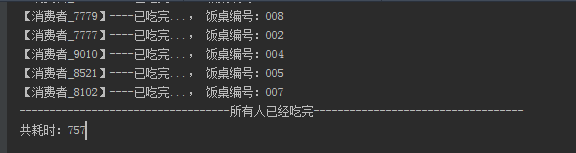
使用isEmpty耗时:210

当数据量越大,这种耗时差距越明显。所以这种判断用isEmpty 更加合理
contains
contains(Object o)
如果此队列包含指定元素,则返回 true
public static void main(String[] args) throws InterruptedException {

        ConcurrentLinkedQueue queue = new ConcurrentLinkedQueue();

        queue.offer("123");

        System.out.println(queue.contains("123"));

        System.out.println(queue.contains("234"));

    }
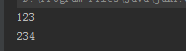
执行结果:

toArray
toArray()
返回以恰当顺序包含此队列所有元素的数组
toArray(T[] a)
返回以恰当顺序包含此队列所有元素的数组;返回数组的运行时类型是指定数组的运行时类型
public static void main(String[] args) throws InterruptedException {

        ConcurrentLinkedQueue<String> queue = new ConcurrentLinkedQueue<String>();

        queue.offer("123");

        queue.offer("234");

        Object[] objects = queue.toArray();

        System.out.println(objects[0] + ", " + objects[1]);

        //将数据存储到指定数组

        String[] strs = new String[2];

        queue.toArray(strs);

        System.out.println(strs[0] + ", " + strs[1]);

    }
执行结果:

iterator
iterator()
返回在此队列元素上以恰当顺序进行迭代的迭代器
public static void main(String[] args) throws InterruptedException {

        ConcurrentLinkedQueue<String> queue = new ConcurrentLinkedQueue<String>();

        queue.offer("123");

        queue.offer("234");

        Iterator<String> iterator = queue.iterator();

        while (iterator.hasNext()){

            System.out.println(iterator.next());

        }

    }
ConcurrentLinkedQueue文档说明:
| 构造方法摘要 | |
|---|---|
ConcurrentLinkedQueue() 创建一个最初为空的 ConcurrentLinkedQueue。 |
|
ConcurrentLinkedQueue(Collection<? extends E> c) 创建一个最初包含给定 collection 元素的 ConcurrentLinkedQueue,按照此 collection 迭代器的遍历顺序来添加元素。 |
|
| 方法摘要 | ||
|---|---|---|
boolean |
add(E e) 将指定元素插入此队列的尾部。 |
|
boolean |
contains(Object o) 如果此队列包含指定元素,则返回 true。 |
|
boolean |
isEmpty() 如果此队列不包含任何元素,则返回 true。 |
|
Iterator<E> |
iterator() 返回在此队列元素上以恰当顺序进行迭代的迭代器。 |
|
boolean |
offer(E e) 将指定元素插入此队列的尾部。 |
|
E |
peek() 获取但不移除此队列的头;如果此队列为空,则返回 null。 |
|
E |
poll() 获取并移除此队列的头,如果此队列为空,则返回 null。 |
|
boolean |
remove(Object o) 从队列中移除指定元素的单个实例(如果存在)。 |
|
int |
size() 返回此队列中的元素数量。 |
|
Object[] |
toArray() 返回以恰当顺序包含此队列所有元素的数组。 |
|
|
toArray(T[] a) 返回以恰当顺序包含此队列所有元素的数组;返回数组的运行时类型是指定数组的运行时类型。 |
|
ConcurrentLinkedQueue使用和方法介绍的更多相关文章
- [转载]C#读写txt文件的两种方法介绍
C#读写txt文件的两种方法介绍 by 大龙哥 1.添加命名空间 System.IO; System.Text; 2.文件的读取 (1).使用FileStream类进行文件的读取,并将它转换成char ...
- fstream的使用方法介绍
转载自: fstream的使用方法介绍 - saga's blog - C++博客 http://www.cppblog.com/saga/archive/2007/06/19/26652.html ...
- Windows下获取本机IP地址方法介绍
Windows下获取本机IP地址方法介绍 if((hostinfo = gethostbyname(name)) != NULL) { #if 1 ; printf("IP COUNT: % ...
- WebService服务调用方法介绍
1 背景概述 由于在项目中需要多次调用webservice服务,本文主要总结了一下java调用WebService常见的6种方式,即:四种框架的五种调用方法以及使用AEAI ESB进行调用的方法. 2 ...
- C#读写txt文件的两种方法介绍
C#读写txt文件的两种方法介绍 1.添加命名空间 System.IO; System.Text; 2.文件的读取 (1).使用FileStream类进行文件的读取,并将它转换成char数组,然后输出 ...
- jquery的ajax()函数传值中文乱码解决方法介绍
jquery的ajax()函数传值中文乱码解决方法介绍,需要的朋友可以参考下 代码如下: $.ajax({ dataType : ‘json', type : ‘POST', url : ‘http: ...
- UploadifyAPI-上传插件属性和方法介绍
上一篇文章简单的介绍了Uploadify上传插件的使用.但是对于常用的属性和方法并没有说明.授人以鱼不如授人以渔,我决定将常用的属性列举出来,供大伙参考参考. Uploadify属 ...
- js保留小数点后N位的方法介绍
js保留小数点后N位的方法介绍 利用toFixed函数 代码如下 复制代码 <script language="javascript"> document.write( ...
- Thinkphp里import的几个使用方法介绍
以下附上import的几个使用方法介绍 1.使用方法一 import('@.Test.Translate'); @,表示项目根文件夹.假定根文件夹是:App/ 导入类库的路径是:App/Lib/Tes ...
随机推荐
- 【Python 12】汇率兑换5.0(Lambda函数)
1.案例描述 设计一个汇率换算程序,其功能是将美元换算成人民币,或者相反. 2.0增加功能:根据输入判断是人民币还是美元,进行相应的转换计算 3.0增加功能:程序可以一直运行,知道用户选择退出 4. ...
- Angular5 路由守卫
今年下半年一直很忙,没有多少时间来写博客,很多笔记都记在了本地一起提交到了git上边. 夏末的时候做的两个vue项目中有接触到vue的路由守卫,今天在另外一个angular上,发现路由守卫有异常,导致 ...
- 网络流问题 P2763 试题库问题
题目描述 «问题描述: 假设一个试题库中有n道试题.每道试题都标明了所属类别.同一道题可能有多个类别属性.现要从题库中抽取m 道题组成试卷.并要求试卷包含指定类型的试题.试设计一个满足要求的组卷算法. ...
- Java并发-AQS及各种Lock锁的原理
原文 : https://blog.csdn.net/zhangdong2012/article/details/79983404
- WinForm程序完全退出总结
this.Close(); 只是关闭当前窗口,若不是主窗体的话,是无法退出程序的,另外若有托管线程(非主线程),也无法干净地退出: Application.Exit(); 强制所有消息中止,退出 ...
- UIImagePickerDelegate - 官方文档说明
- (void)imagePickerController:(UIImagePickerController *)picker didFinishPickingMediaWithInfo:(NSDic ...
- visual studio 各版本激活码
visual studio 各版本 激活码 版本 产品型号 激活码 vs2019 Enterprise(企业版) BF8Y8-GN2QH-T84XB-QVY3B-RC4DF vs2019 Profes ...
- opensetting禁用后小程序二次授权的问题-以及根据定位城市获取天气
一. 关于wx.openSetting 接口废弃后的通过其他方式重新设置权限的问题 最近小程序更新了后,导致以下报错 "openSetting:fail 此接口已废弃,请使用 OpenSet ...
- 【idea设置】去掉IntelliJ IDEA 中 mybatis 对应的 xml 文件警告
- mpvue——引入vant_weapp组件
克隆仓库 克隆后,将dist目录下的所有文件复制到项目中的/static/vant/目录下,vant目录是我自己创建为了区分的 git clone https://github.com/youzan/ ...