
spring源码分析系列 (3) spring拓展接口InstantiationAwareBeanPostProcessor
主要分析内容:
一、InstantiationAwareBeanPostProcessor简述与demo示例
二、InstantiationAwareBeanPostProcessor与BeanPostProcessor对比
三、InstantiationAwareBeanPostProcessor源码分析:注册时机和触发点
(源码基于spring 5.1.3.RELEASE分析)
一、InstantiationAwareBeanPostProcessor简述与demo示例
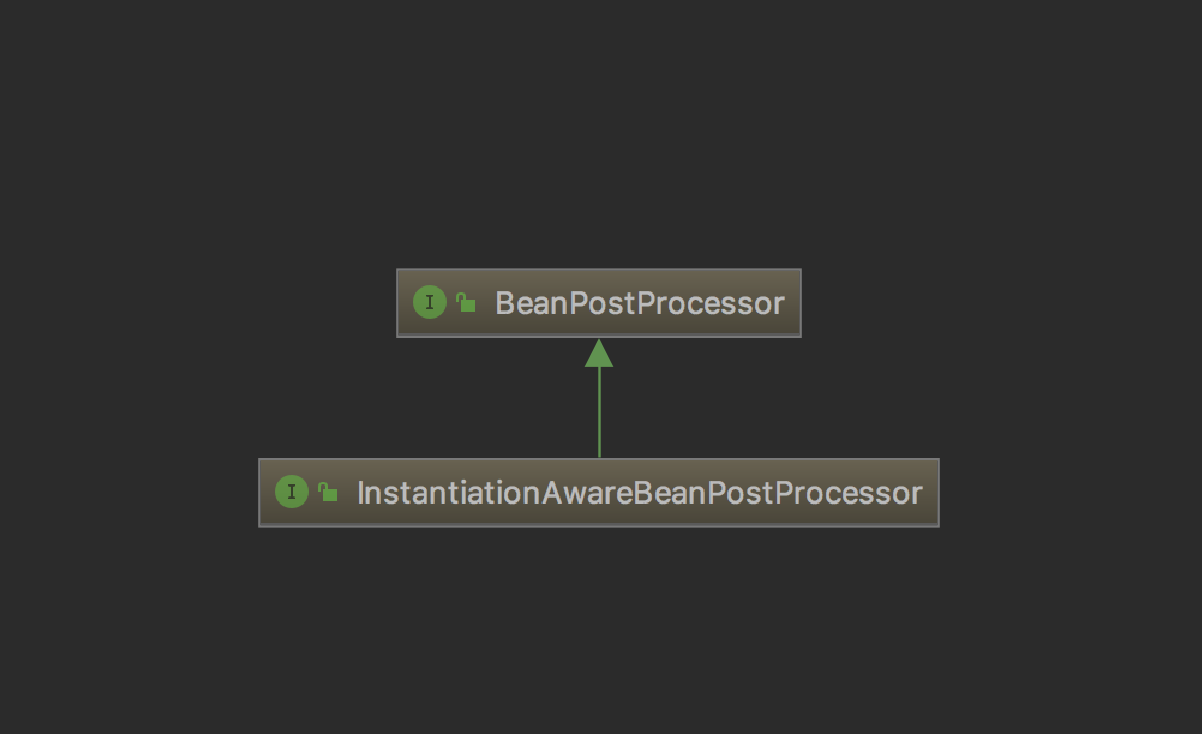
InstantiationAwareBeanPostProcessor继承自BeanPostProcessor 是spring非常重要的拓展接口,代表这bean的一段生命周期: 实例化(Instantiation)
 public interface InstantiationAwareBeanPostProcessor extends BeanPostProcessor {

     @Nullable

     default Object postProcessBeforeInstantiation(Class<?> beanClass, String beanName) throws BeansException {

         return null;

     }

     default boolean postProcessAfterInstantiation(Object bean, String beanName) throws BeansException {

         return true;

     }

     @Nullable

     default PropertyValues postProcessProperties(PropertyValues pvs, Object bean, String beanName)

             throws BeansException {

         return null;

     }

     @Deprecated

     @Nullable

     default PropertyValues postProcessPropertyValues(

             PropertyValues pvs, PropertyDescriptor[] pds, Object bean, String beanName) throws BeansException {

         return pvs;

     }

 }
由于InstantiationAwareBeanPostProcessor继承自BeanPostProcessor, 其他接口可以参考spring源码分析系列 (2) spring拓展接口BeanPostProcessor,这里针对多出接口说明一下:
1、postProcessBeforeInstantiation调用时机为bean实例化(Instantiation)之前 如果返回了bean实例, 则会替代原来正常通过target bean生成的bean的流程. 典型的例如aop返回proxy对象. 此时bean的执行流程将会缩短, 只会执行
BeanPostProcessor#postProcessAfterInitialization接口完成初始化。
2、postProcessAfterInstantiation调用时机为bean实例化(Instantiation)之后和任何初始化(Initialization)之前。
3、postProcessProperties调用时机为postProcessAfterInstantiation执行之后并返回true, 返回的PropertyValues将作用于给定bean属性赋值. spring 5.1之后出现以替换@Deprecated标注的postProcessPropertyValues
4、postProcessPropertyValues已经被标注@Deprecated,后续将会被postProcessProperties取代。
示例demo:
 public class InstantiationAwareBeanPostProcessorTest {

     private ApplicationContext applicationContext ;

     @Before

     public void beforeApplicationContext(){

         /**

          * ApplicationContext 自动注册 BeanPostProcessor、InstantiationAwareBeanPostProcessor、BeanFactoryPostProcessor

          *  不需要手动注册

          * */

         applicationContext = new ClassPathXmlApplicationContext("ioc-InstantiationAwareBeanPostProcessor.xml") ;

     }

     @Test

     public void test(){

         Bean bean = applicationContext.getBean("bean", Bean.class) ;

         System.out.println(bean);

     }

     @After

     public void after(){

         ((ClassPathXmlApplicationContext)applicationContext).close();

     }

 }
InstantiationAwareBeanPostProcessorTest.java
 public class LogicInstantiationAwareBeanPostProcessor implements InstantiationAwareBeanPostProcessor {

     @Override

     public boolean postProcessAfterInstantiation(Object bean, String beanName) throws BeansException {

         System.out.print("beanName:"+beanName+"执行..postProcessAfterInstantiation\n");

         // 会影响postProcessProperties 是否执行,返回false不执行

         return true;

     }

     @Override

     public Object postProcessBeforeInstantiation(Class<?> beanClass, String beanName) throws BeansException {

         System.out.print("beanName:"+beanName+"执行..postProcessBeforeInstantiation\n");

         if(beanClass == Bean.class){

             //利用 其 生成动态代理

             Enhancer enhancer = new Enhancer();

             enhancer.setSuperclass(beanClass);

             enhancer.setCallback(new BeanMethodInterceptor());

             Bean bean = (Bean)enhancer.create();

             System.out.print("返回动态代理\n");

             return bean ;

         }

         return null ;

     }

     @Override

     public PropertyValues postProcessProperties(PropertyValues pvs, Object bean, String beanName) throws BeansException {

         System.out.print("beanName:"+beanName+"执行..postProcessProperties\n");

         return pvs;

     }

     //************************************** BeanPostProcessor **********************************************

     @Override

     public Object postProcessAfterInitialization(Object bean, String beanName) throws BeansException {

         System.out.print("beanName:"+beanName+"执行..postProcessAfterInitialization\n");

         return bean;

     }

     @Override

     public Object postProcessBeforeInitialization(Object bean, String beanName) throws BeansException {

         System.out.print("beanName:"+beanName+"执行..postProcessBeforeInitialization\n");

         return bean;

     }

 }
LogicInstantiationAwareBeanPostProcessor.java
 public class BeanMethodInterceptor implements MethodInterceptor {

     @Override

     public Object intercept(Object o, Method method, Object[] objects, MethodProxy methodProxy) throws Throwable {

         System.out.println("目标方法前:" + method+"\n");

         Object object = methodProxy.invokeSuper(o, objects);

         System.out.println("目标方法后:" + method+"\n");

         return object;

     }

 }
BeanMethodInterceptor.java
 <?xml version="1.0" encoding="utf-8"?>

 <beans xmlns="http://www.springframework.org/schema/beans"

        xmlns:xsi="http://www.w3.org/2001/XMLSchema-instance" xmlns:p="http://www.springframework.org/schema/p"

        xsi:schemaLocation="http://www.springframework.org/schema/beans http://www.springframework.org/schema/beans/spring-beans-2.5.xsd">

     <bean id="bean" class="com.nancy.ioc.Bean">

         <property name="name" value="zhouxiaoxing"/>

     </bean>

     <bean id="logicInstantiationAwareBeanPostProcessor" class="com.nancy.ioc.InstantiationAwareBeanPostProcessor.LogicInstantiationAwareBeanPostProcessor"/>

 </beans>
ioc-InstantiationAwareBeanPostProcessor.xml
 public class Bean {

     public Bean(){

     }

     public Bean(String name){

         System.out.println("构造函数被调用啦");

         this.name = name ;

     }

     private String name ;

     public String getName() {

         return name;

     }

     public void setName(String name) {

         this.name = name;

     }

     @Override

     public String toString() {

         return "Bean{" +

                 "name='" + name + '\'' +

                 '}';

     }

 }
Bean.java
运行结果如下: 由于postProcessBeforeInstantiation通过cglib生成代理, 所以直接执行BeanPostProcessor#postProcessAfterInitialization接口完成初始化。bean生命周期缩短
beanName:bean执行..postProcessBeforeInstantiation

返回动态代理

beanName:bean执行..postProcessAfterInitialization

目标方法前:public java.lang.String com.nancy.ioc.Bean.toString()

目标方法后:public java.lang.String com.nancy.ioc.Bean.toString()

Bean{name='null'}
修改LogicInstantiationAwareBeanPostProcessor#postProcessBeforeInstantiation如下 :
     @Override

     public Object postProcessBeforeInstantiation(Class<?> beanClass, String beanName) throws BeansException {

         System.out.print("beanName:"+beanName+"执行..postProcessBeforeInstantiation\n");

         return null ;

     }

     @Override

     public PropertyValues postProcessProperties(PropertyValues pvs, Object bean, String beanName) throws BeansException {

         System.out.print("beanName:"+beanName+"执行..postProcessProperties\n");

         if(bean instanceof Bean){

             //修改bean中name 的属性值

             PropertyValue value = pvs.getPropertyValue("name");

             System.out.print("修改之前 name 的value是:"+value.getValue()+"\n");

             value.setConvertedValue("我修改啦");

             return pvs;

         }

         return pvs;

     }
运行结果如下: 由于postProcessBeforeInstantiation返回null 并 postProcessAfterInstantiation返回true 所以执行会postProcessProperties。此时bean生命周期正常process
beanName:bean执行..postProcessBeforeInstantiation

beanName:bean执行..postProcessAfterInstantiation

beanName:bean执行..postProcessProperties

修改之前 name 的value是:TypedStringValue: value [zhouxiaoxing], target type [null]

beanName:bean执行..postProcessBeforeInitialization

beanName:bean执行..postProcessAfterInitialization

Bean{name='我修改啦'}
详细demo示例可以参考: https://gitee.com/zhouxiaoxing91/learning-src/tree/master
二、InstantiationAwareBeanPostProcessor与BeanPostProcessor对比
1、BeanPostProcessor 执行时机为bean初始化(Initialization)阶段,日常可以拓展该接口对bean初始化进行定制化处理。
2、InstantiationAwareBeanPostProcessor 执行时机bean实例化(Instantiation)阶段,典型用于替换bean默认创建方式,例如aop通过拓展接口生成代理对应,主要用于基础框架层面。如果日常业务中需要拓展该,spring推荐使用适配器类InstantiationAwareBeanPostProcessorAdapter。
3、所有bean创建都会进行回调。
三、InstantiationAwareBeanPostProcessor源码分析:注册时机和触发点
1、由于InstantiationAwareBeanPostProcessor实质也是BeanPostProcessor接口,register时机是一致的,可参考:spring源码分析系列 (2) spring拓展接口BeanPostProcessor 。
2、这里着重分析接口触发的时机,跟BeanPostProcessor一样触发入口从AbstractAutowireCapableBeanFactory#createBean开始 :
   /**

      * Central method of this class: creates a bean instance,

      * populates the bean instance, applies post-processors, etc.

      * @see #doCreateBean

      */

     @Override

     protected Object createBean(String beanName, RootBeanDefinition mbd, @Nullable Object[] args)

             throws BeanCreationException {

         // 省略......

         try {

             /**

              * postProcessorsBeforeInstantiation 触发入口

              */

             // Give BeanPostProcessors a chance to return a proxy instead of the target bean instance.

             Object bean = resolveBeforeInstantiation(beanName, mbdToUse);

             if (bean != null) {

                 return bean;

             }

         }

         catch (Throwable ex) {

             throw new BeanCreationException(mbdToUse.getResourceDescription(), beanName,

                     "BeanPostProcessor before instantiation of bean failed", ex);

         }

         try {

             /**

              * postProcessAfterInstantiation、postProcessProperties 触发入口

              */

             Object beanInstance = doCreateBean(beanName, mbdToUse, args);

             if (logger.isTraceEnabled()) {

                 logger.trace("Finished creating instance of bean '" + beanName + "'");

             }

             return beanInstance;

         }

         catch (BeanCreationException | ImplicitlyAppearedSingletonException ex) {

             // A previously detected exception with proper bean creation context already,

             // or illegal singleton state to be communicated up to DefaultSingletonBeanRegistry.

             throw ex;

         }

         catch (Throwable ex) {

             throw new BeanCreationException(

                     mbdToUse.getResourceDescription(), beanName, "Unexpected exception during bean creation", ex);

         }

     }
2.1、跟进AbstractAutowireCapableBeanFactory#resolveBeforeInstantiation, 分析postProcessorsBeforeInstantiation执行时机 :
   /**

      * Apply before-instantiation post-processors, resolving whether there is a

      * before-instantiation shortcut for the specified bean.

      * @param beanName the name of the bean

      * @param mbd the bean definition for the bean

      * @return the shortcut-determined bean instance, or {@code null} if none

      */

     @Nullable

     protected Object resolveBeforeInstantiation(String beanName, RootBeanDefinition mbd) {

         Object bean = null;

         if (!Boolean.FALSE.equals(mbd.beforeInstantiationResolved)) {

             // Make sure bean class is actually resolved at this point.

             if (!mbd.isSynthetic() && hasInstantiationAwareBeanPostProcessors()) {

                 Class<?> targetType = determineTargetType(beanName, mbd);

                 if (targetType != null) {

                     /**

                      * 回调beanPostProcessorsBeforeInstantiation实例化,如果返回bean非null则直接执行

                      * beanPostProcessorsAfterInitialization进行实例初始化

                      */

                     bean = applyBeanPostProcessorsBeforeInstantiation(targetType, beanName);

                     if (bean != null) {

                         bean = applyBeanPostProcessorsAfterInitialization(bean, beanName);

                     }

                 }

             }

             mbd.beforeInstantiationResolved = (bean != null);

         }

         return bean;

     }

     /**

      * Apply InstantiationAwareBeanPostProcessors to the specified bean definition

      * (by class and name), invoking their {@code postProcessBeforeInstantiation} methods.

      * <p>Any returned object will be used as the bean instead of actually instantiating

      * the target bean. A {@code null} return value from the post-processor will

      * result in the target bean being instantiated.

      * @param beanClass the class of the bean to be instantiated

      * @param beanName the name of the bean

      * @return the bean object to use instead of a default instance of the target bean, or {@code null}

      * @see InstantiationAwareBeanPostProcessor#postProcessBeforeInstantiation

      */

     @Nullable

     protected Object applyBeanPostProcessorsBeforeInstantiation(Class<?> beanClass, String beanName) {

         for (BeanPostProcessor bp : getBeanPostProcessors()) {

             if (bp instanceof InstantiationAwareBeanPostProcessor) {

                 /**

                   * 只要其中一个postProcessBeforeInstantiation返回实例bean即结束回调,

                   * 这个bean将会直接返回给bean容器管理

                   */

                 InstantiationAwareBeanPostProcessor ibp = (InstantiationAwareBeanPostProcessor) bp;

                 Object result = ibp.postProcessBeforeInstantiation(beanClass, beanName);

                 if (result != null) {

                     return result;

                 }

             }

         }

         return null;

     }

     @Override

     public Object applyBeanPostProcessorsAfterInitialization(Object existingBean, String beanName)

             throws BeansException {

         Object result = existingBean;

         for (BeanPostProcessor processor : getBeanPostProcessors()) {

             Object current = processor.postProcessAfterInitialization(result, beanName);

             if (current == null) {

                 return result;

             }

             result = current;

         }

         return result;

     }
2、跟进AbstractAutowireCapableBeanFactory#doCreateBean, 分析postProcessAfterInstantiation、postProcessProperties 执行时机 :
  /**

    * Actually create the specified bean. Pre-creation processing has already happened

    * at this point, e.g. checking {@code postProcessBeforeInstantiation} callbacks.

    * <p>Differentiates between default bean instantiation, use of a

    * factory method, and autowiring a constructor.

    * @param beanName the name of the bean

    * @param mbd the merged bean definition for the bean

    * @param args explicit arguments to use for constructor or factory method invocation

    * @return a new instance of the bean

    * @throws BeanCreationException if the bean could not be created

    * @see #instantiateBean

    * @see #instantiateUsingFactoryMethod

    * @see #autowireConstructor

    */

   protected Object doCreateBean(final String beanName, final RootBeanDefinition mbd, final @Nullable Object[] args)

       throws BeanCreationException {

     // 省略......

     // Initialize the bean instance.

     Object exposedObject = bean;

     try {

       /** 依据bean definition 完成bean属性赋值 */

       populateBean(beanName, mbd, instanceWrapper);

       /** 执行bean初始化 */

       exposedObject = initializeBean(beanName, exposedObject, mbd);

     }

     catch (Throwable ex) {

       if (ex instanceof BeanCreationException && beanName.equals(((BeanCreationException) ex).getBeanName())) {

         throw (BeanCreationException) ex;

       }

       else {

         throw new BeanCreationException(

             mbd.getResourceDescription(), beanName, "Initialization of bean failed", ex);

       }

     }

     // 省略......

     return exposedObject;

   }
跟进AbstractAutowireCapableBeanFactory#populateBean
 /**

      * Populate the bean instance in the given BeanWrapper with the property values

      * from the bean definition.

      * @param beanName the name of the bean

      * @param mbd the bean definition for the bean

      * @param bw the BeanWrapper with bean instance

      */

     @SuppressWarnings("deprecation")  // for postProcessPropertyValues

     protected void populateBean(String beanName, RootBeanDefinition mbd, @Nullable BeanWrapper bw) {

         if (bw == null) {

             if (mbd.hasPropertyValues()) {

                 throw new BeanCreationException(

                         mbd.getResourceDescription(), beanName, "Cannot apply property values to null instance");

             }

             else {

                 // Skip property population phase for null instance.

                 return;

             }

         }

         // Give any InstantiationAwareBeanPostProcessors the opportunity to modify the

         // state of the bean before properties are set. This can be used, for example,

         // to support styles of field injection.

         boolean continueWithPropertyPopulation = true;

         /**

          * 满足两个要求:

          * 1、BeanDefinition为应用程序bean,而非基础框架bean信息。

          * 2、注册过InstantiationAwareBeanPostProcessor类型接口,上文有提到这个标志位。

          * 3、注册了多个接口时,只要其中一个postProcessAfterInstantiation返回false,即停止后续执行。

          */

         if (!mbd.isSynthetic() && hasInstantiationAwareBeanPostProcessors()) {

             for (BeanPostProcessor bp : getBeanPostProcessors()) {

                 if (bp instanceof InstantiationAwareBeanPostProcessor) {

                     InstantiationAwareBeanPostProcessor ibp = (InstantiationAwareBeanPostProcessor) bp;

                     if (!ibp.postProcessAfterInstantiation(bw.getWrappedInstance(), beanName)) {

                         continueWithPropertyPopulation = false;

                         break;

                     }

                 }

             }

         }

         /**

          * 判定是否执行以下流程,受到postProcessAfterInstantiation返回结果影响

          */

         if (!continueWithPropertyPopulation) {

             return;

         }

         PropertyValues pvs = (mbd.hasPropertyValues() ? mbd.getPropertyValues() : null);

         /**

          * ioc依赖注入

          */

         if (mbd.getResolvedAutowireMode() == AUTOWIRE_BY_NAME || mbd.getResolvedAutowireMode() == AUTOWIRE_BY_TYPE) {

             MutablePropertyValues newPvs = new MutablePropertyValues(pvs);

             // Add property values based on autowire by name if applicable.

             if (mbd.getResolvedAutowireMode() == AUTOWIRE_BY_NAME) {

                 autowireByName(beanName, mbd, bw, newPvs);

             }

             // Add property values based on autowire by type if applicable.

             if (mbd.getResolvedAutowireMode() == AUTOWIRE_BY_TYPE) {

                 autowireByType(beanName, mbd, bw, newPvs);

             }

             pvs = newPvs;

         }

         /**

          * InstantiationAwareBeanPostProcessor标志位 和 依赖注入检查标志位

          */

         boolean hasInstAwareBpps = hasInstantiationAwareBeanPostProcessors();

         boolean needsDepCheck = (mbd.getDependencyCheck() != AbstractBeanDefinition.DEPENDENCY_CHECK_NONE);

         PropertyDescriptor[] filteredPds = null;

         if (hasInstAwareBpps) {

             if (pvs == null) {

                 pvs = mbd.getPropertyValues();

             }

             /**

               * 1、优先回调postProcessProperties.  spring-5.1之后新增回调接口

               * 2、再回调postProcessPropertyValues,一旦返回null即结束. spring-5.1之前逻辑

               */

             for (BeanPostProcessor bp : getBeanPostProcessors()) {

                 if (bp instanceof InstantiationAwareBeanPostProcessor) {

                     InstantiationAwareBeanPostProcessor ibp = (InstantiationAwareBeanPostProcessor) bp;

                     PropertyValues pvsToUse = ibp.postProcessProperties(pvs, bw.getWrappedInstance(), beanName);

                     if (pvsToUse == null) {

                         if (filteredPds == null) {

                             filteredPds = filterPropertyDescriptorsForDependencyCheck(bw, mbd.allowCaching);

                         }

                         pvsToUse = ibp.postProcessPropertyValues(pvs, filteredPds, bw.getWrappedInstance(), beanName);

                         if (pvsToUse == null) {

                             return;

                         }

                     }

                     pvs = pvsToUse;

                 }

             }

         }

         /**

          * 依赖注入校验

          */

         if (needsDepCheck) {

             if (filteredPds == null) {

                 filteredPds = filterPropertyDescriptorsForDependencyCheck(bw, mbd.allowCaching);

             }

             checkDependencies(beanName, mbd, filteredPds, pvs);

         }

         /**

          * 此时会将上述处理后的PropertyValues应用于bean属性

          */

         if (pvs != null) {

             applyPropertyValues(beanName, mbd, bw, pvs);

         }

     }
总结一下:
- InstantiationAwareBeanPostProcessor的触发入口从AbstractAutowireCapableBeanFactory#createBean开始。
- bean实例化之前会检测是否存在该类型的接口,并触发前置postProcessBeforeInstantiation。注册多个实例时会依次执行回调,任何一个返回非null则直接执行BeanPostProcessor#postProcessAfterInitialization完成初始化。返回的bean直接返回容器,生命周期缩短。
- 后置postProcessAfterInstantiation会在实例化之后,依赖注入和初始化方法之前。注册多个接口只要其中一个返回false,即停止后续执行。 返回结果会影响后续执行流程,通过此定制化bean属性注入等操作。
- 优先回调postProcessProperties,spring-5.1之后新增回调接口 用以替代标注过时的postProcessPropertyValues方法。
- InstantiationAwareBeanPostProcessor设计主要给基础性框架使用,日常应用spring推荐使用适配器类InstantiationAwareBeanPostProcessorAdapter。
spring源码分析系列 (3) spring拓展接口InstantiationAwareBeanPostProcessor的更多相关文章
- spring源码分析系列 (5) spring BeanFactoryPostProcessor拓展类PropertyPlaceholderConfigurer、PropertySourcesPlaceholderConfigurer解析
更多文章点击--spring源码分析系列 主要分析内容: 1.拓展类简述: 拓展类使用demo和自定义替换符号 2.继承图UML解析和源码分析 (源码基于spring 5.1.3.RELEASE分析) ...
- spring源码分析系列 (1) spring拓展接口BeanFactoryPostProcessor、BeanDefinitionRegistryPostProcessor
更多文章点击--spring源码分析系列 主要分析内容: 一.BeanFactoryPostProcessor.BeanDefinitionRegistryPostProcessor简述与demo示例 ...
- spring源码分析系列 (2) spring拓展接口BeanPostProcessor
Spring更多分析--spring源码分析系列 主要分析内容: 一.BeanPostProcessor简述与demo示例 二.BeanPostProcessor源码分析:注册时机和触发点 (源码基于 ...
- 【Spring源码分析系列】ApplicationContext 相关接口架构分析
[原创文章,转载请注明出处][本文地址]http://www.cnblogs.com/zffenger/p/5813470.html 在使用Spring的时候,我们经常需要先得到一个Applicati ...
- spring源码分析系列
spring源码分析系列 (1) spring拓展接口BeanFactoryPostProcessor.BeanDefinitionRegistryPostProcessor spring源码分析系列 ...
- spring源码分析系列 (8) FactoryBean工厂类机制
更多文章点击--spring源码分析系列 1.FactoryBean设计目的以及使用 2.FactoryBean工厂类机制运行机制分析 1.FactoryBean设计目的以及使用 FactoryBea ...
- spring源码分析系列 (15) 设计模式解析
spring是目前使用最为广泛的Java框架之一.虽然spring最为核心是IOC和AOP,其中代码实现中很多设计模式得以应用,代码看起来简洁流畅,在日常的软件设计中很值得借鉴.以下是对一些设计模式的 ...
- 【Spring源码分析系列】启动component-scan类扫描加载过程
原文地址:http://blog.csdn.net/xieyuooo/article/details/9089441/ 在spring 3.0以上大家都一般会配置一个Servelet,如下所示: &l ...
- spring源码分析系列3:BeanFactory核心容器的研究
目录 @(spring源码分析系列3:核心容器的研究) 在讲容器之前,再明确一下知识点. BeanDefinition是Bean在容器的描述.BeanDefinition与Bean不是一个东西. Be ...
随机推荐
- 微信HTML5页面设计建议
一个HTML5页面从提出到完成上线的流程:> 1.需求方.设计人员.H5实现人员三方共同讨论实现方案 2.设计人员出设计图 3.H5人员按设计图出H5页面 4.需求方评估已实现的H5页面后给 ...
- django----文件配置
静态路径配置 STATIC_URL = '/static/' #这个配置就相当于下面配置的别名,如果这里的名字修改了就按照这里的名字去导入 STATICFILES_DIRS = [ os.path.j ...
- hdu3015树状数组 poj1990的离散化版本
都是一类题目,推导调试比较烦,想出来还是不难的 /* 给定n个点对,按一维升序排序一次,每个点的序号为Di,按二维升序排序一次,每个点的序号为Hi 求sum{w(i,j)} w(i,j)=abs(Di ...
- Java列表、数组、字符串
列表(list) list中添加,获取,删除元素 添加方法是:.add(e): 获取方法是:.get(index): 删除方法是:.remove(index), 按照索引删除: .remove(Obj ...
- python 全栈开发,Day135(爬虫系列之第2章-BS和Xpath模块)
一.BeautifulSoup 1. 简介 简单来说,Beautiful Soup是python的一个库,最主要的功能是从网页抓取数据.官方解释如下: ''' Beautiful Soup提供一些简单 ...
- Ubuntu 下安装LEMP环境 实战
---恢复内容开始--- 1.nginx的服务端的安装 打开命令行终端,在终端输入,sudo apt-get install nginx 回车即开始安装 kxlc-t@ubuntu:~$ sudo ...
- hdu 1253 3维迷宫 在规定时间内能否出迷宫 (3维BFS)
题意:有一个人要在魔王回来之前逃出城堡.1表示墙,0表示路.魔王将在T分钟后回到城堡 起点可以是墙,但是人能走出.而终点也可以是墙,那自然就走不出了,但是要判断. 剪枝:如果终点是门或者从起点到终点的 ...
- hdu 1010 走到终点时刚好花掉所有时间 (DFS + 奇偶性剪枝 )
题意:输入一个n*m的迷宫,和一个T:可以在迷宫中生存的最大时间.S为起点,D为终点.并且,每个格子只能踩一次,且只能维持一秒,然后该块地板就会塌陷.所以你必须每秒走一步,且到D点时,所用时间为T.用 ...
- bzoj2654
题解: 老早看的并没有写 wqs二分的原理和这个凸函数的性质已经证明过了 写的时候 主要的问题在于每次的答案是一个范围 什么意思呢 其实比较简单的做法是 优先取白边,优先取黑边做两次 然后看一下要求的 ...
- k8s 环境搭建
转自:https://blog.csdn.net/running_free/article/details/78388948 一.概述 1.简介 官方中文文档:https://www.kubernet ...