
每天用SpringBoot,还不懂RESTful API返回统一数据格式是怎么实现的?
上一篇文章RESTful API 返回统一JSON数据格式 说明了 RESTful API 统一返回数据格式问题,这是请求一切正常的情形,这篇文章将说明如何统一处理异常,以及其背后的实现原理,老套路,先实现,后说明原理,有了上一篇文章的铺底,相信,理解这篇文章就驾轻就熟了

实现
新建业务异常
新建 BusinessException.class 类表示业务异常,注意这是一个 Runtime 异常
@Data
@AllArgsConstructor
public final class BusinessException extends RuntimeException {

    private String errorCode;

    private String errorMsg;

}
添加统一异常处理静态方法
在 CommonResult 类中添加静态方法 errorResult 用于接收异常码和异常消息:
public static <T> CommonResult<T> errorResult(String errorCode, String errorMsg){
    CommonResult<T> commonResult = new CommonResult<>();
    commonResult.errorCode = errorCode;
    commonResult.errorMsg = errorMsg;
    commonResult.status = -1;
    return commonResult;
}
配置
同样要用到 @RestControllerAdvice 注解,将统一异常添加到配置中:
@RestControllerAdvice("com.example.unifiedreturn.api")
static class UnifiedExceptionHandler{

    @ExceptionHandler(BusinessException.class)
    public CommonResult<Void> handleBusinessException(BusinessException be){
        return CommonResult.errorResult(be.getErrorCode(), be.getErrorMsg());
    }
}
三部搞定,到这里无论是 Controller 还是 Service 中,只要抛出 BusinessException, 我们都会返回给前端一个统一数据格式
测试
将 UserController 中的方法进行改造,直接抛出异常:
@GetMapping("/{id}")
public UserVo getUserById(@PathVariable Long id){
    throw new BusinessException("1001", "根据ID查询用户异常");
}
浏览器中输入: http://localhost:8080/users/1
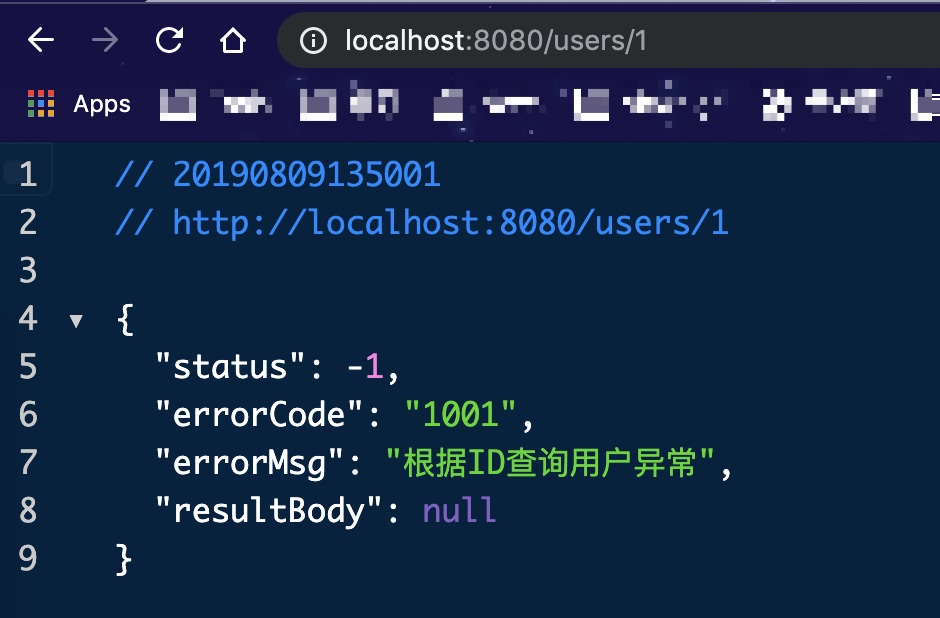
在 Service 中抛出异常:
@Service
public class UserServiceImpl implements UserService {

    /**
     * 根据用户ID查询用户
     *
     * @param id
     * @return
     */
    @Override
    public UserVo getUserById(Long id) {
        throw new BusinessException("1001", "根据ID查询用户异常");
    }
}
运行是得到同样的结果,所以我们尽可能的抛出异常吧 (作为一个程序猿这种心理很可拍)
解剖实现过程
解剖这个过程是相当纠结的,为了更好的说(yin)明(wei)问(wo)题(lan),我要说重中之重了,真心希望看该文章的童鞋自己去案发现场发现线索
还是在 WebMvcConfigurationSupport 类中实例化了 HandlerExceptionResolver Bean
@Bean
public HandlerExceptionResolver handlerExceptionResolver() {
    List<HandlerExceptionResolver> exceptionResolvers = new ArrayList<>();
    configureHandlerExceptionResolvers(exceptionResolvers);
    if (exceptionResolvers.isEmpty()) {
        addDefaultHandlerExceptionResolvers(exceptionResolvers);
    }
    extendHandlerExceptionResolvers(exceptionResolvers);
    HandlerExceptionResolverComposite composite = new HandlerExceptionResolverComposite();
    composite.setOrder(0);
    composite.setExceptionResolvers(exceptionResolvers);
    return composite;
}
和上一篇文章一毛一样的套路,ExceptionHandlerExceptionResolver 实现了 InitializingBean 接口,重写了 afterPropertiesSet 方法:
@Override
public void afterPropertiesSet() {
    // Do this first, it may add ResponseBodyAdvice beans
    initExceptionHandlerAdviceCache();
    ...
}

private void initExceptionHandlerAdviceCache() {
    if (getApplicationContext() == null) {
        return;
    }

    List<ControllerAdviceBean> adviceBeans = ControllerAdviceBean.findAnnotatedBeans(getApplicationContext());
    AnnotationAwareOrderComparator.sort(adviceBeans);

    for (ControllerAdviceBean adviceBean : adviceBeans) {
        Class<?> beanType = adviceBean.getBeanType();
        if (beanType == null) {
            throw new IllegalStateException("Unresolvable type for ControllerAdviceBean: " + adviceBean);
        }
        // 重点看这个构造方法
        ExceptionHandlerMethodResolver resolver = new ExceptionHandlerMethodResolver(beanType);
        if (resolver.hasExceptionMappings()) {
            this.exceptionHandlerAdviceCache.put(adviceBean, resolver);
        }
        if (ResponseBodyAdvice.class.isAssignableFrom(beanType)) {
            this.responseBodyAdvice.add(adviceBean);
        }
    }
}
重点看上面我用注释标记的构造方法,代码很好懂,仔细看看吧
/**
 * A constructor that finds {@link ExceptionHandler} methods in the given type.
 * @param handlerType the type to introspect
 */
public ExceptionHandlerMethodResolver(Class<?> handlerType) {
    for (Method method : MethodIntrospector.selectMethods(handlerType, EXCEPTION_HANDLER_METHODS)) {
        for (Class<? extends Throwable> exceptionType : detectExceptionMappings(method)) {
            addExceptionMapping(exceptionType, method);
        }
    }
}

/**
 * Extract exception mappings from the {@code @ExceptionHandler} annotation first,
 * and then as a fallback from the method signature itself.
 */
@SuppressWarnings("unchecked")
private List<Class<? extends Throwable>> detectExceptionMappings(Method method) {
    List<Class<? extends Throwable>> result = new ArrayList<>();
    detectAnnotationExceptionMappings(method, result);
    if (result.isEmpty()) {
        for (Class<?> paramType : method.getParameterTypes()) {
            if (Throwable.class.isAssignableFrom(paramType)) {
                result.add((Class<? extends Throwable>) paramType);
            }
        }
    }
    if (result.isEmpty()) {
        throw new IllegalStateException("No exception types mapped to " + method);
    }
    return result;
}

private void detectAnnotationExceptionMappings(Method method, List<Class<? extends Throwable>> result) {
    ExceptionHandler ann = AnnotatedElementUtils.findMergedAnnotation(method, ExceptionHandler.class);
    Assert.state(ann != null, "No ExceptionHandler annotation");
    result.addAll(Arrays.asList(ann.value()));
}
到这里,我们用 @RestControllerAdvice 和 @ExceptionHandler 注解就会被 Spring 扫描到上下文,供我们使用
让我们回到你最熟悉的调用的入口 DispatcherServlet 类的 doDispatch 方法:
protected void doDispatch(HttpServletRequest request, HttpServletResponse response) throws Exception {
    ...

    try {
        ModelAndView mv = null;
        Exception dispatchException = null;

        try {
            ...
            // 当请求发生异常,该方法会通过 catch 捕获异常
            mv = ha.handle(processedRequest, response, mappedHandler.getHandler());
        ...

        }
        catch (Exception ex) {
            dispatchException = ex;
        }
        catch (Throwable err) {
            // As of 4.3, we're processing Errors thrown from handler methods as well,
            // making them available for @ExceptionHandler methods and other scenarios.
            dispatchException = new NestedServletException("Handler dispatch failed", err);
        }
        // 调用该方法分析捕获的异常
        processDispatchResult(processedRequest, response, mappedHandler, mv, dispatchException);
    }
    ...
}
接下来,我们来看 processDispatchResult 方法,这里只要展示调用栈你就会眼前一亮了:
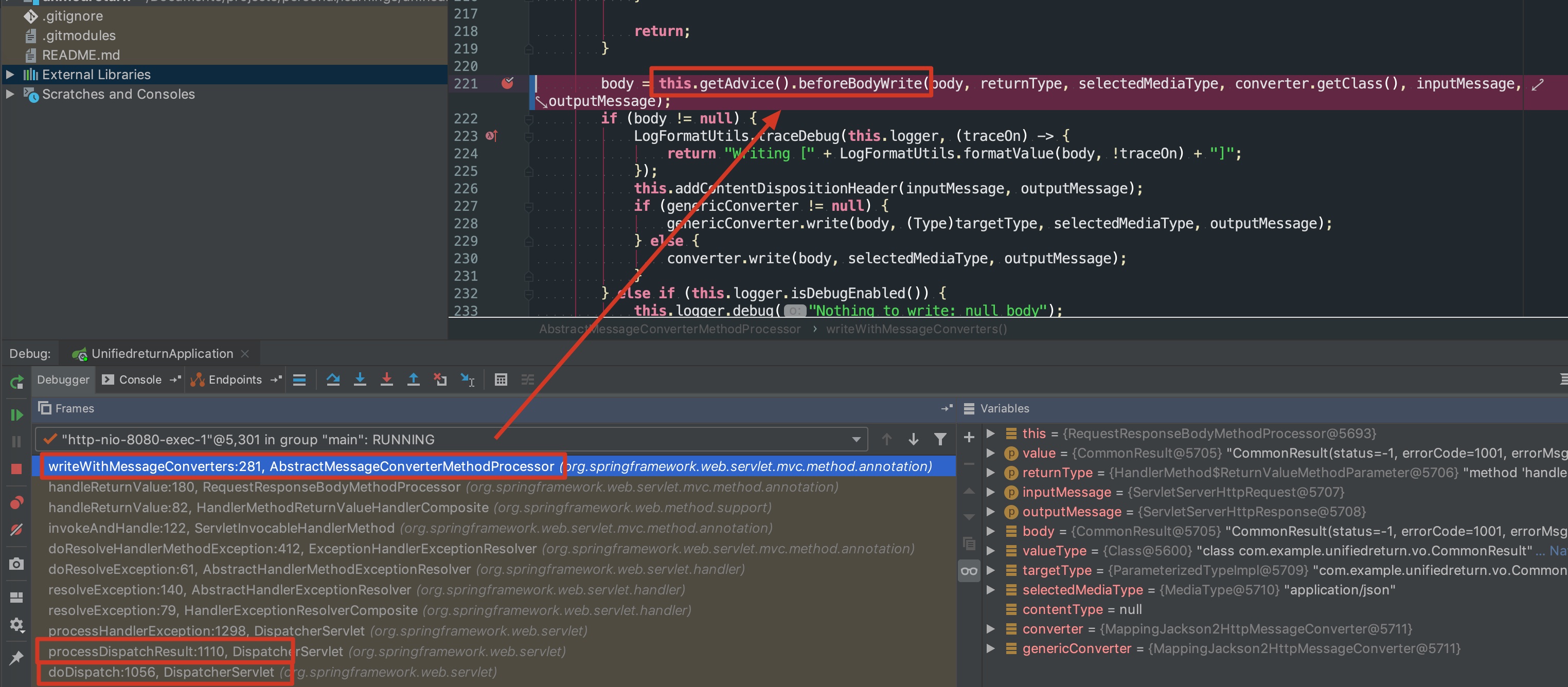
总结
上一篇文章的返回统一数据格式是基础,当异常情况发生时,只不过需要将异常信息提取出来。文章的好多地方设计方式不可取,比如我们最好将异常封装在一个 Enum 类,通过 enum 对象抛出异常等,如果你用到这些,去完善你的设计方案吧
回复 「demo」,打开链接,查看文件夹 「unifiedreturn」下内容,获取完整代码
灵魂追问
- 这两篇文章,你学到了哪些设计模式?
- 你能熟练的使用反射吗?当看源码是会看到很多反射的应用
- 你了解 Spring CGLIB 吗?它的工作原理是什么?
提高效率工具

JSON-Viewer
JSON-Viewer 是 Chrome 浏览器的插件,用于快速解析及格式化 json 内容,在 Chrome omnibox(多功能输入框)输入json-viewer + TAB ,将 json 内容拷贝进去,然后输入回车键,将看到结构清晰的 json 数据,同时可以自定义主题
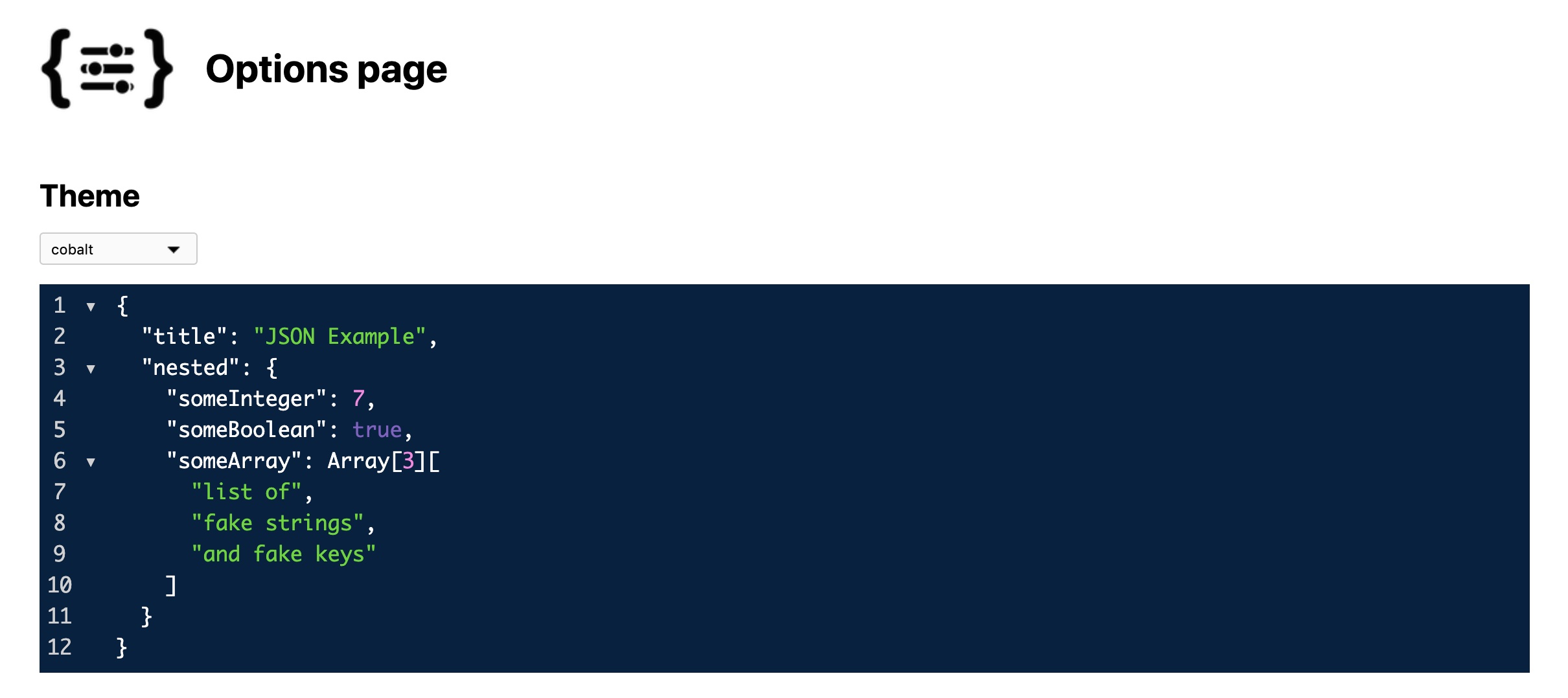
另外,前端人员打开开发者工具,双击请求链接,会自动将 response 中的 json 数据解析出来,非常方便
推荐阅读
- 只会用 git pull ?有时候你可以尝试更优雅的处理方式
- 双亲委派模型:大厂高频面试题,轻松搞定
- 面试还不知道BeanFactory和ApplicationContext的区别?
- 如何设计好的RESTful API
- 程序猿为什么要看源码?
欢迎持续关注公众号:「日拱一兵」
- 前沿 Java 技术干货分享
- 高效工具汇总 | 回复「工具」
- 面试问题分析与解答
- 技术资料领取 | 回复「资料」
以读侦探小说思维轻松趣味学习 Java 技术栈相关知识,本着将复杂问题简单化,抽象问题具体化和图形化原则逐步分解技术问题,技术持续更新,请持续关注......

每天用SpringBoot,还不懂RESTful API返回统一数据格式是怎么实现的?的更多相关文章
- Spring Boot 无侵入式 实现RESTful API接口统一JSON格式返回
前言 现在我们做项目基本上中大型项目都是选择前后端分离,前后端分离已经成了一个趋势了,所以总这样·我们就要和前端约定统一的api 接口返回json 格式, 这样我们需要封装一个统一通用全局 模版api ...
- 使用 SpringBoot 构建一个RESTful API
目录 背景 创建 SpringBoot 项目/模块 SpringBoot pom.xml api pom.xml 创建 RESTful API 应用 @SpringBootApplication @C ...
- 只需一步,在Spring Boot中统一Restful API返回值格式与统一处理异常
## 统一返回值 在前后端分离大行其道的今天,有一个统一的返回值格式不仅能使我们的接口看起来更漂亮,而且还可以使前端可以统一处理很多东西,避免很多问题的产生. 比较通用的返回值格式如下: ```jav ...
- Restful api 返回值重复的问题
Spring boot全家桶前后端分离的项目,在扩充某一个列表形式的返回值时,发现返回值出现了一批的重复. 正常的数据返回: 数值完全一致只是参数名称区分了大小写,如下图: 推测可能是restful格 ...
- 从 0 使用 SpringBoot MyBatis MySQL Redis Elasticsearch打造企业级 RESTful API 项目实战
大家好!这是一门付费视频课程.新课优惠价 699 元,折合每小时 9 元左右,需要朋友的联系爱学啊客服 QQ:3469271680:我们每课程是明码标价的,因为如果售价为现在的 2 倍,然后打 5 折 ...
- Django编写RESTful API(二):请求和响应
欢迎访问我的个人网站:www.comingnext.cn 前言 在上一篇文章,已经实现了访问指定URL就返回了指定的数据,这也体现了RESTful API的一个理念,每一个URL代表着一个资源.当然我 ...
- 使用ASP.NET Core 3.x 构建 RESTful API - 3.1 资源命名
之前讲了RESTful API的统一资源接口这个约束,里面提到了资源是通过URI来进行识别的,每个资源都有自己的URI.URI里还涉及到资源的名称,而针对资源的名称却没有一个标准来进行规范,但是业界还 ...
- 使用ASP.NET Core 3.x 构建 RESTful API - 3.4 内容协商
现在,当谈论起 RESTful Web API 的时候,人们总会想到 JSON.但是实际上,JSON 和 RESTful API 没有半毛钱关系,只不过 JSON 恰好是RESTful API 结果的 ...
- PHPer的项目RESTful API设计规范是怎样的?
RESTful 是目前最流行的 API 设计规范,用于 Web 数据接口的设计. 什么是RESTful RESTful是一种软件设计风格, 主要用于客户端与服务端交互的软件. 一般来说RESTful ...
随机推荐
- scrapy基础知识之 处理Redis里的数据:
数据爬回来了,但是放在Redis里没有处理.之前我们配置文件里面没有定制自己的ITEM_PIPELINES,而是使用了RedisPipeline,所以现在这些数据都被保存在redis的xx:items ...
- k8s学习 - 概念 - master/node
k8s学习 - 概念 - master/node 在k8s中,有各种各样的概念和术语.这些概念是必须要学习和掌握的.我们先罗列下所有概念,然后再一个个看具体实例. 大概说一下这些概念: Master: ...
- mysql+mybatis存储超大json
1. 场景描述 因前端界面需存储元素较多,切割后再组装存储的话比较麻烦,就采用大对象直接存储到mysql字段中,根据mysql的介绍可以存放65535个字节,算了算差不多,后来存的时候发现: 一是基本 ...
- python函数知识一 函数初始、定义与调用、返回值、参数和函数的好处+菜中菜
第四章 函数 1.函数初识: def :关键字 -- 定义 函数名:和变量的定义方式一样 (): 用于参数传递,: 形参:函数的定义中()内的是形参 实参:调用的()内是实参 传参:调用时将实参传递给 ...
- 【CYH-02】NOIp考砸后虐题赛:坐标:题解
代码: 这道题也并不难,用排序+简单动规即可.因为@Kevin_Wa 大佬放的是c++,所以我来一发Pascal. var min,max,i,a1,b1,c1,d1,n:longint; a,b,c ...
- Socket 连接问题之大量 TIME_WAIT
简评:最近项目就出现了大量短连接导致建立新连接超时问题,最后是通过维护长连接解决的. 代理或者服务器设备都有端口限制,如果使用 TCP 连接,连接数量达到端口限制,在这种情况下,将不能创建新的连接. ...
- 关于ArcGIS api for JavaScript的一些内容
2018-3-19 ArcGIS api for JavaScript 在3.4之后就已经抛弃了过时的写法,采用了AMD的写法,AMD规范即异步模块加载机制,这种规范让JS就像其它面向对象语言(比如J ...
- dede:channelartlist currentstyle高亮显示
我们在用DEDECMS建站时,常常会做二级栏目的功能,既要用到二级栏目,也就要通过DEDE标签再套标签的方式来实现调用,而DEDECMS多层标签调用只支持channelartlist,也就是说我们只能 ...
- Python之父新发文,将替换现有解析器
花下猫语: Guido van Rossum 是 Python 的创造者,虽然他现在放弃了"终身仁慈独裁者"的职位,但却成为了指导委员会的五位成员之一,其一举一动依然备受瞩目.近日 ...
- HZOJ 单
两个子任务真的是坑……考试的时候想到了60分的算法,然而只拿到了20分(各种沙雕错,没救了……). 算法1: 对于测试点1,直接n遍dfs即可求出答案,复杂度O(n^2),然而还是有好多同学跑LCA/ ...