
mybatis关于ORM的使用以及设计(三)[参数对象转换为SQL语言]
上节分析了Mapper对象的创建。
在ORM的定义中可以理解为Object->SQLMapper抽象层(这一层并不负责具体的SQL执行。这一层可以理解为SQL代理层)
本节分析以下内容:
①SqlSession在具体执行SQL时,如果通过namespace+sqlid定位到具体的MappedStatement(sql的对象化表现形式)
②参数(Object) 如何填充到具体的SQL
③SQL是如何执行的
- 获取StateMentMapper.前面讲到初始化时,会缓存MappedStatement,MappedStatement被保存在StrictMap中.
StrictMap是Mybatis实现HashMap子类。Key重复放入的时候会报错。
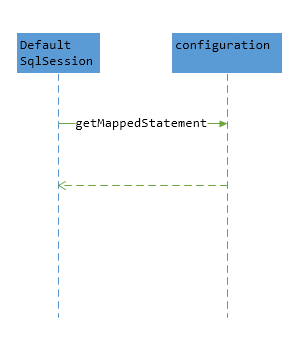
- 参数(Object) 如何填充到具体的SQL(Param-SQL的Orm转换)
1、通过Executor执行SQL
  @Override

  public <E> List<E> selectList(String statement, Object parameter, RowBounds rowBounds) {

    try {

      MappedStatement ms = configuration.getMappedStatement(statement);

      return executor.query(ms, wrapCollection(parameter), rowBounds, Executor.NO_RESULT_HANDLER);

    } catch (Exception e) {

      throw ExceptionFactory.wrapException("Error querying database.  Cause: " + e, e);

    } finally {

      ErrorContext.instance().reset();

    }

  }
2、Executor是如何获取的?
SqlSessionFactory工厂中代码如下:
从Configuration中获得Excecutor,默认的执行器类型为configuration.getDefaultExecutorType()在configuration类中定义为
protected ExecutorType defaultExecutorType = ExecutorType.SIMPLE;
private SqlSession openSessionFromDataSource(ExecutorType execType, TransactionIsolationLevel level, boolean autoCommit) {

    Transaction tx = null;

    try {

      final Environment environment = configuration.getEnvironment();

      final TransactionFactory transactionFactory = getTransactionFactoryFromEnvironment(environment);

      tx = transactionFactory.newTransaction(environment.getDataSource(), level, autoCommit);

      final Executor executor = configuration.newExecutor(tx, execType);

      return new DefaultSqlSession(configuration, executor, autoCommit);

    } catch (Exception e) {

      closeTransaction(tx); // may have fetched a connection so lets call close()

      throw ExceptionFactory.wrapException("Error opening session.  Cause: " + e, e);

    } finally {

      ErrorContext.instance().reset();

    }

  }
ExecutorType.SIMPLE会创建何种执行器?
来看Configuraiton的获得执行器的方法
默认的执行器为:SimpleExecutor,而cacheEnabled默认值为true.所以实际是CachingExecutor,使用了装饰器模式。
public Executor newExecutor(Transaction transaction, ExecutorType executorType) {

    executorType = executorType == null ? defaultExecutorType : executorType;

    executorType = executorType == null ? ExecutorType.SIMPLE : executorType;

    Executor executor;

    if (ExecutorType.BATCH == executorType) {

      executor = new BatchExecutor(this, transaction);

    } else if (ExecutorType.REUSE == executorType) {

      executor = new ReuseExecutor(this, transaction);

    } else {

      executor = new SimpleExecutor(this, transaction);

    }

    if (cacheEnabled) {

      executor = new CachingExecutor(executor);

    }

    executor = (Executor) interceptorChain.pluginAll(executor);

    return executor;

  }
- Excecutor是如何将参数成功映射到具体SQL的参数?
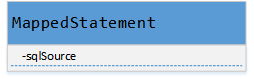
先看下MappedStatement中的类成员构成。sqlSource是具体获取待执行SQL的对象。
- sqlSource接口定义:
BoundSql getBoundSql(Object parameterObject)的方法,改方调用实际的SqlSource的实现类,来获取真正执行的SQL
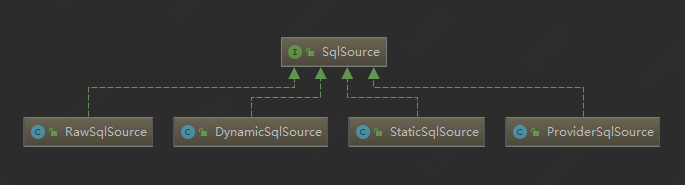
先说说几个处理类的区别:
DynamicSqlSource:sql中包含<where><if><choose>等条件是,会被定义为.通过具体的Node处理对象,拼接SQL。
看一段代码,我们关注rootSqlNode变量,以及getBoundSql()方法的执行。
public class DynamicSqlSource implements SqlSource {

  private final Configuration configuration;

  private final SqlNode rootSqlNode;

  public DynamicSqlSource(Configuration configuration, SqlNode rootSqlNode) {

    this.configuration = configuration;

    this.rootSqlNode = rootSqlNode;

  }

  @Override

  public BoundSql getBoundSql(Object parameterObject) {

    DynamicContext context = new DynamicContext(configuration, parameterObject);

    rootSqlNode.apply(context);

    SqlSourceBuilder sqlSourceParser = new SqlSourceBuilder(configuration);

    Class<?> parameterType = parameterObject == null ? Object.class : parameterObject.getClass();

    SqlSource sqlSource = sqlSourceParser.parse(context.getSql(), parameterType, context.getBindings());

    BoundSql boundSql = sqlSource.getBoundSql(parameterObject);

    for (Map.Entry<String, Object> entry : context.getBindings().entrySet()) {

      boundSql.setAdditionalParameter(entry.getKey(), entry.getValue());

    }

    return boundSql;

  }
解析过程描述:
①rootSqlNode为从XML解析的具体SQL节点,每一行作为一个node。对于<if><choose>等。每一个节点是一个node
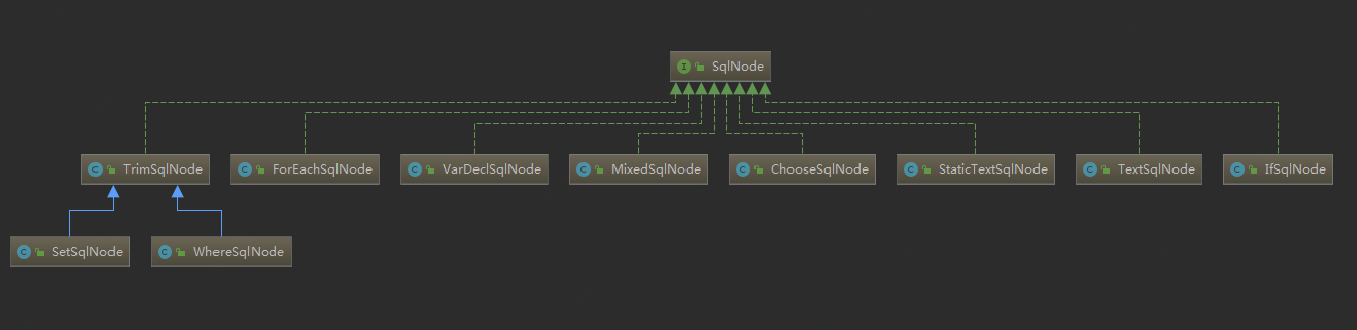
②<if></if>的判断是在具体的node中执行的。SQLNode有以下几种类型。

看一段IfSqlNode的代码:apply方法中的evaluateBoolean方法,将对<if>语句进行判断,返回结果。如果结果为真,则把条件添加到contents
/**

 * @author Clinton Begin

 */

public class IfSqlNode implements SqlNode {

  private final ExpressionEvaluator evaluator;

  private final String test;

  private final SqlNode contents;

  public IfSqlNode(SqlNode contents, String test) {

    this.test = test;

    this.contents = contents;

    this.evaluator = new ExpressionEvaluator();

  }

  @Override

  public boolean apply(DynamicContext context) {

    if (evaluator.evaluateBoolean(test, context.getBindings())) {

      contents.apply(context);

      return true;

    }

    return false;

  }

}
mybatis中定义的SQL节点如下。
RawSqlSource:对于不包含<if>等条件判断,替换#{}变为? 在创建RawSqlSource对象时执行这项操作
DynamicSqlSource: 对sql中包含${}参数的会转换为该对象
- SqlSource的转换是在初始化加载时完成。那真正的参数是何时转换为SQL?
SimpleExecutor中,创建PrepareStateMent的过程。
  public <E> List<E> doQuery(MappedStatement ms, Object parameter, RowBounds rowBounds, ResultHandler resultHandler, BoundSql boundSql) throws SQLException {

    Statement stmt = null;

    try {

      Configuration configuration = ms.getConfiguration();

      StatementHandler handler = configuration.newStatementHandler(wrapper, ms, parameter, rowBounds, resultHandler, boundSql);

      stmt = prepareStatement(handler, ms.getStatementLog());

      return handler.<E>query(stmt, resultHandler);

    } finally {

      closeStatement(stmt);

    }

  }
  private Statement prepareStatement(StatementHandler handler, Log statementLog) throws SQLException {

    Statement stmt;

    Connection connection = getConnection(statementLog);
   //创建、初始化PreparedStatement

    stmt = handler.prepare(connection, transaction.getTimeout());
  //设置参数

    handler.parameterize(stmt);

    return stmt;

  }
离我们想知道的真相越来越近了,来看具体的参数化过程
StateMentHandler.parameterize
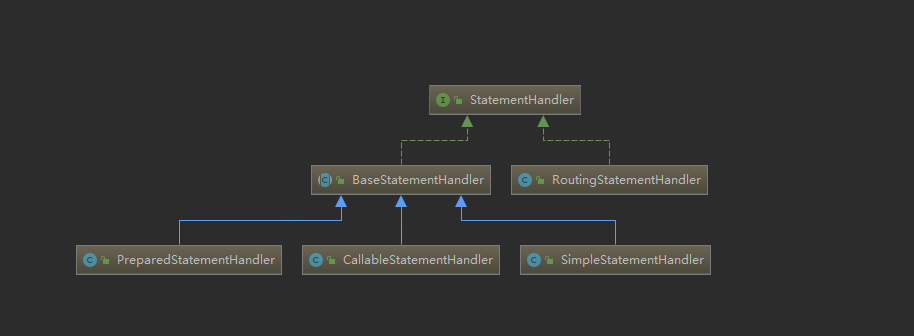
RoutingStatementHandler用来做路由器:根据实际的StatementType做路由
我们来看PreparedStatementHadler
    public void parameterize(Statement statement) throws SQLException {

        this.parameterHandler.setParameters((PreparedStatement)statement);

    }
public void setParameters(PreparedStatement ps) {
  ErrorContext.instance().activity("setting parameters").object(this.mappedStatement.getParameterMap().getId());
  //获得所有的参数
List<ParameterMapping> parameterMappings = this.boundSql.getParameterMappings();
  if (parameterMappings != null) {
    for(int i = 0; i < parameterMappings.size(); ++i) {
      ParameterMapping parameterMapping = (ParameterMapping)parameterMappings.get(i);
      if (parameterMapping.getMode() != ParameterMode.OUT) {
        String propertyName = parameterMapping.getProperty();

                    Object value;

                    if (this.boundSql.hasAdditionalParameter(propertyName)) {

                        value = this.boundSql.getAdditionalParameter(propertyName);

                    } else if (this.parameterObject == null) {

                        value = null;
            //如果有typeHandler则用TypeHandler处理参数
            //一些基础类型是有typeHandler的

                    } else if (this.typeHandlerRegistry.hasTypeHandler(this.parameterObject.getClass())) {

                        value = this.parameterObject;

                    } else {
            //如果没有typeHandler,通过反射,获得Bean参数中的值

                        MetaObject metaObject = this.configuration.newMetaObject(this.parameterObject);

                        value = metaObject.getValue(propertyName);

                    }

            //根据参数的JDBCtype找到TypeHandler,设置到PrePareStatement中

                    TypeHandler typeHandler = parameterMapping.getTypeHandler();

                    JdbcType jdbcType = parameterMapping.getJdbcType();

                    if (value == null && jdbcType == null) {

                        jdbcType = this.configuration.getJdbcTypeForNull();

                    }

                    try {

                        typeHandler.setParameter(ps, i + 1, value, jdbcType);

                    } catch (TypeException var10) {

                        throw new TypeException("Could not set parameters for mapping: " + parameterMapping + ". Cause: " + var10, var10);

                    } catch (SQLException var11) {

                        throw new TypeException("Could not set parameters for mapping: " + parameterMapping + ". Cause: " + var11, var11);

                    }

                }

            }

        }

    }
TypeHandler的继承关系如下:
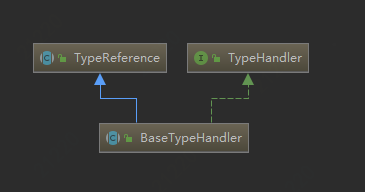
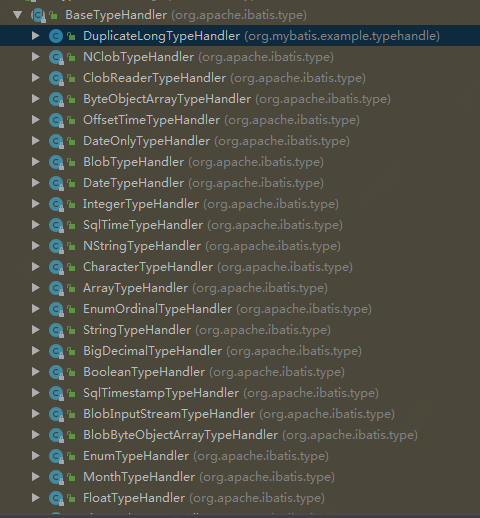
我们查看其中的BigDecimalTypeHandler的源码
public class BigDecimalTypeHandler extends BaseTypeHandler<BigDecimal> {

  @Override

  public void setNonNullParameter(PreparedStatement ps, int i, BigDecimal parameter, JdbcType jdbcType)

      throws SQLException {

    ps.setBigDecimal(i, parameter);

  }

  @Override

  public BigDecimal getNullableResult(ResultSet rs, String columnName)

      throws SQLException {

    return rs.getBigDecimal(columnName);

  }

  @Override

  public BigDecimal getNullableResult(ResultSet rs, int columnIndex)

      throws SQLException {

    return rs.getBigDecimal(columnIndex);

  }

  @Override

  public BigDecimal getNullableResult(CallableStatement cs, int columnIndex)

      throws SQLException {

    return cs.getBigDecimal(columnIndex);

  }

}
会调用JDBCAPI中的相应方法获得正确的值
mybatis关于ORM的使用以及设计(三)[参数对象转换为SQL语言]的更多相关文章
- mybatis关于ORM的使用以及设计(二)[DaoInterface 转换 Mapper代理对象]
第一节中,分析了Mybatis的ORM框架的初始化,这篇来分析SQL执行过程中,对象->SQL是如何转换的 其中包含两种映射思想 ①DAO接口->Mapper实例 ②执行DAO的方法时,参 ...
- mybatis关于ORM的使用以及设计(一)[ORM的初始化]
ORM WIKI中的解释.画重点 Object-relational mapping (ORM, O/RM, and O/R mapping tool) in computer science is ...
- c# 轻量级 ORM 框架 之 DBHelper 实现 (三)
周末了比较清闲,把自己的orm框架整理了下,开源了. 已经做出来的东西通常感觉有些简单,一些新手或许听到"框架"一类的词觉得有些"高深",简单来说orm就是把a ...
- [simple-orm-mybaits]基于Mybatis的ORM封装介绍
目录 前言 ORM框架现状 Mybatis优缺点 simple-orm-mybatis设计思路介绍 simple-orm-mybatis使用说明 simple-orm-mybatis实际使用 推荐最佳 ...
- ORM表之间高级设计
ORM表之间高级设计 一.表的继承 # db_test1 # 一.基表 # Model类的内部配置Meta类要设置abstract=True, # 这样的Model类就是用来作为基表 # 多表:Boo ...
- JdbcTemplate 、Mybatis、ORM 、Druid 、HikariCP 、Hibernate是什么?它们有什么关系?
JdbcTemplate .Mybatis.ORM .Druid .HikariCP .Hibernate是什么?它们有什么关系? 学完Spring和SpringMVC之后,就急于求成的开始学习起Sp ...
- JavaScript框架设计(三) push兼容性和选择器上下文
JavaScript框架设计(三) push兼容性和选择器上下文 博主很久没有更博了. 在上一篇 JavaScript框架设计(二) 中实现了最基本的选择器,getId,getTag和getClass ...
- MyBatis学习(三)、动态SQL语句
三.动态SQL语句 有些时候,sql语句where条件中,需要一些安全判断,例如按某一条件查询时如果传入的参数是空,此时查询出的结果很可能是空的,也许我们需要参数为空时,是查出全部的信息.使用Orac ...
- 游戏UI框架设计(三) : 窗体的层级管理
游戏UI框架设计(三) ---窗体的层级管理 UI框架中UI窗体的"层级管理",最核心的问题是如何进行窗体的显示管理.窗体(预设)的显示我们前面定义了三种类型: 普通.隐藏其他.反 ...
随机推荐
- DAY1_PYTHON基础作业
''' print("1.使用while循环输入 1 2 3 4 5 6 8 9 10") count = 1 while count < 11: print(count) ...
- Hive元数据找回
如果不小心删除了了hive的元数据文件(/user/hive/warehouse),只要先前core-site.xml文件中设置了fs.trash.interval属性就可以找回.hdfs会为用户创建 ...
- 本地新建git仓库后与远端仓库关联
背景说明:如果你想把自己的一个项目开源到,需要新建一个本地代码仓库,然后与远端代码库建立关.不想使用git clone 命令去克隆远端新建代码仓库,然后再将我们写好的代码copy到克隆下来的文件夹里, ...
- Django-api认证
验证过程:每一个中控机有一个key,然后获取到当前时间戳.把key和当前时间戳这两个值进行一次加密,加密之后得到加密的戳,把加密的戳和当前获取的时间戳用管道符分割开生成一个大的字符串(加密戳|时间戳) ...
- centos安装实用总结
1.常用软件安装: yum install -y bash-completion vim lrzsz wget expect net-tools nc nmap tree dos2unix htop ...
- Python练习八
1.获取移动平均值. def generator(): sum = 0 num = 0 count = 0 avg = 0 while 1: num = yield avg sum += num co ...
- robotframework中的清除输入框输入值
业务需求 当该输入框输入之后,联动某一个按钮高亮,输入框为空的时候,该按钮置灰 需要将输入框清空,清空的办法 1.直接将输入框赋值为${empty} 如:input Text ${loactor} $ ...
- Sqlsession 的理解
MyBatis的持久化解决方案是将用户从原始的JDBC访问中解放出来,用户只需要定义需要操作的SQL语句,无须关注底层的JDBC操作,就可以以面向对象的方式来进行持久化层操作.底层数据库连接的获取,数 ...
- ZZFAFA_BilibiliMusic_DownUrl
OneDrive_DownFileUrl: FHProductionHK-BGM:https://1drv.ms/f/s!Ajs97XY1QSQ8cPXo36h4AK9XG7k CABAL&A ...
- linux下目录简介——/SElinux
一.前言 安全增强型 Linux(Security-Enhanced Linux)简称 SELinux,它是一个 Linux 内核模块,也是 Linux 的一个安全子系统. SELinux 主要由美国 ...