
IfcRoot
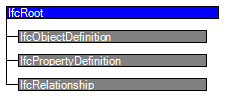
IfcRoot is the most abstract and root class for all entity definitions that roots in the kernel or in subsequent layers of the IFC specification. It is therefore the common supertype of all IFC entities, beside those defined in an IFC resource schema. All entities that are subtypes of IfcRoot can be used independently, whereas resource schema entities, that are not subtypes of IfcRoot, are not supposed to be independent entities.
/* Generated By: IFC Tools Project EXPRESS TO JAVA COMPILER: Do not edit this file!! */

package com.vfsd.ifc2x3tc1;

public abstract class IfcRoot extends InternalAccessClass implements ClassInterface

{

    private static final String[] nonInverseAttributes = new String[]{"IfcGloballyUniqueId","IfcOwnerHistory","IfcLabel","IfcText"};

    private java.util.ArrayList<CloneableObject> stepParameter = null;

    private java.util.HashSet<ObjectChangeListener> listenerList = null;

    protected int stepLineNumber;

    /** GlobalId is an DEMANDED attribute - may not be null**/

    protected IfcGloballyUniqueId GlobalId;

    /** OwnerHistory is an DEMANDED attribute - may not be null**/

    protected IfcOwnerHistory OwnerHistory;

    /** Name is an OPTIONAL attribute**/

    protected IfcLabel Name;

    /** Description is an OPTIONAL attribute**/

    protected IfcText Description;

    /**

    * The default constructor.

    **/

    public IfcRoot(){}

    /**

    * Constructs a new IfcRoot object using the given parameters.

    *

    * @param GlobalId DEMANDED parameter of type IfcGloballyUniqueId - may not be null.

    * @param OwnerHistory DEMANDED parameter of type IfcOwnerHistory - may not be null.

    * @param Name OPTIONAL parameter of type IfcLabel

    * @param Description OPTIONAL parameter of type IfcText

    **/

    public IfcRoot(IfcGloballyUniqueId GlobalId, IfcOwnerHistory OwnerHistory, IfcLabel Name, IfcText Description)

    {

        this.GlobalId = GlobalId;

        this.OwnerHistory = OwnerHistory;

        this.Name = Name;

        this.Description = Description;

        resolveInverses();

    }

    /**

     * This method initializes the IfcRoot object using the given parameters.

    *

    * @param GlobalId DEMANDED parameter of type IfcGloballyUniqueId - may not be null.

    * @param OwnerHistory DEMANDED parameter of type IfcOwnerHistory - may not be null.

    * @param Name OPTIONAL parameter of type IfcLabel

    * @param Description OPTIONAL parameter of type IfcText

    **/

    public void setParameters(IfcGloballyUniqueId GlobalId, IfcOwnerHistory OwnerHistory, IfcLabel Name, IfcText Description)

    {

        this.GlobalId = GlobalId;

        this.OwnerHistory = OwnerHistory;

        this.Name = Name;

        this.Description = Description;

        resolveInverses();

    }

    /**

     * This method is used internally and should NOT be used for own purposes.

    **/

    void initialize(java.util.ArrayList<CloneableObject> parameters)

    {

        this.GlobalId = (IfcGloballyUniqueId) parameters.get(0);

        this.OwnerHistory = (IfcOwnerHistory) parameters.get(1);

        this.Name = (IfcLabel) parameters.get(2);

        this.Description = (IfcText) parameters.get(3);

        resolveInverses();

    }

    /**

     * This method is used internally and should NOT be used for own purposes.

    **/

    void destruct()

    {

        listenerList = null;

    }

    private void resolveInverses()

    {

    }

    /**

     * This method is used internally and should NOT be used for own purposes.

    **/

    String[] getNonInverseAttributeTypes()

    {

        return IfcRoot.nonInverseAttributes;    }

    /**

     * This method is used internally and should NOT be used for own purposes.

    **/

    private java.util.HashSet<String> getRedefinedDerivedAttributeTypes()

    {

        java.util.HashSet<String> redefinedDerivedAttributes = new java.util.HashSet<String>();

        return redefinedDerivedAttributes;    }

    /**

 * This method returns the object IFC  STEP representation. This method is called by the IfcModel object to write IFC STEP files.

     *

     * @return the IFC STEP representation of this object

    **/

    public String getStepLine()

    {

        String stepString = new String("#"+this.stepLineNumber+"= ");

        stepString = stepString.concat("IFCROOT(");

        if(getRedefinedDerivedAttributeTypes().contains("GlobalId")) stepString = stepString.concat("*,");

        else{

        if(this.GlobalId != null)        stepString = stepString.concat(((RootInterface)this.GlobalId).getStepParameter(IfcGloballyUniqueId.class.isInterface())+",");

        else        stepString = stepString.concat("$,");

        }

        if(getRedefinedDerivedAttributeTypes().contains("OwnerHistory")) stepString = stepString.concat("*,");

        else{

        if(this.OwnerHistory != null)        stepString = stepString.concat(((RootInterface)this.OwnerHistory).getStepParameter(IfcOwnerHistory.class.isInterface())+",");

        else        stepString = stepString.concat("$,");

        }

        if(getRedefinedDerivedAttributeTypes().contains("Name")) stepString = stepString.concat("*,");

        else{

        if(this.Name != null)        stepString = stepString.concat(((RootInterface)this.Name).getStepParameter(IfcLabel.class.isInterface())+",");

        else        stepString = stepString.concat("$,");

        }

        if(getRedefinedDerivedAttributeTypes().contains("Description")) stepString = stepString.concat("*);");

        else{

        if(this.Description != null)        stepString = stepString.concat(((RootInterface)this.Description).getStepParameter(IfcText.class.isInterface())+");");

        else        stepString = stepString.concat("$);");

        }

        return stepString;

    }

    /**

     * This method is used internally and should NOT be used for own purposes.

    **/

    public String getStepParameter(boolean isSelectType)

    {

        return "#" + this.stepLineNumber;

    }

    /**

     * This method returns the line number within a IFC  STEP representation. This method is called from other objects, where this one is referenced.

     *

     * @return the STEP line number

    **/

    public int getStepLineNumber()

    {

        return this.stepLineNumber;

    }

    /**

     * This method is used internally and should NOT be used for own purposes.

    **/

    void setStepLineNumber(int number)

    {

        this.stepLineNumber = number;

    }

    /**

    * This method sets the GlobalId attribute to the given value.

    *

    * @param GlobalId OPTIONAL value to set

    **/

    public void setGlobalId(IfcGloballyUniqueId GlobalId)

    {

        this.GlobalId = GlobalId;

        fireChangeEvent();

    }

    /**

    * This method returns the value of the GlobalId attribute.

    *

    * @return the value of GlobalId

    /**/

    public IfcGloballyUniqueId getGlobalId()

    {

        return this.GlobalId;

    }

    /**

    * This method sets the OwnerHistory attribute to the given value.

    *

    * @param OwnerHistory OPTIONAL value to set

    **/

    public void setOwnerHistory(IfcOwnerHistory OwnerHistory)

    {

        this.OwnerHistory = OwnerHistory;

        fireChangeEvent();

    }

    /**

    * This method returns the value of the OwnerHistory attribute.

    *

    * @return the value of OwnerHistory

    /**/

    public IfcOwnerHistory getOwnerHistory()

    {

        return this.OwnerHistory;

    }

    /**

    * This method sets the Name attribute to the given value.

    *

    * @param Name DEMANDED value to set - may not be null

    **/

    public void setName(IfcLabel Name)

    {

        this.Name = Name;

        fireChangeEvent();

    }

    /**

    * This method returns the value of the Name attribute.

    *

    * @return the value of Name

    /**/

    public IfcLabel getName()

    {

        return this.Name;

    }

    /**

    * This method sets the Description attribute to the given value.

    *

    * @param Description DEMANDED value to set - may not be null

    **/

    public void setDescription(IfcText Description)

    {

        this.Description = Description;

        fireChangeEvent();

    }

    /**

    * This method returns the value of the Description attribute.

    *

    * @return the value of Description

    /**/

    public IfcText getDescription()

    {

        return this.Description;

    }

    /**

     * This method is used internally and should NOT be used for own purposes.

    **/

    void setStepParameter(java.util.ArrayList<CloneableObject> parameter)

    {

        this.stepParameter = parameter;

    }

    /**

     * This method is used internally and should NOT be used for own purposes.

    **/

    java.util.ArrayList<CloneableObject> getStepParameter()

    {

        return this.stepParameter;

    }

    /**

     * This method registers an ObjectChangeListener to this object. An event is fired whenever one of its values was changed.

     *

     *@param listener the listener to register

    **/

    public void addObjectChangeListener(ObjectChangeListener listener)

    {

        if (listenerList == null)    listenerList = new java.util.HashSet<ObjectChangeListener>(1,1);

        listenerList.add(listener);

    }

    /**

     * This method unregisters an ObjectChangeListener from this object.

     *

     *@param listener the listener to unregister

    **/

    public void removeObjectChangeListener(ObjectChangeListener listener)

    {

        if (listenerList == null)    return;

        listenerList.remove(listener);

        if (listenerList.size()==0) listenerList = null;

    }

    /**

     * This method removes all currently registered ObjectChangeListeners from this object.

    **/

    public void removeAllObjectChangeListeners()

    {

        listenerList = null;

    }

    protected void fireChangeEvent()

    {

        if(listenerList == null) return;

        for(ObjectChangeListener listener : listenerList)

            listener.ifcModelObjectChange(this);

    }

    /**

     * This method clones the object (deep cloning).

     *

     * @return the cloned object

    **/

    public abstract Object clone();

    /**

     * This method copys the object as shallow copy (all referenced objects are remaining).

     *

     * @return the cloned object

    **/

    public abstract Object shallowCopy();

    /**

    * This method returns the objects standard description.

    *

    * @return the standard description

    **/

    public String toString()

    {

        return "#"+ this.getStepLineNumber() + " " + this.getClass().getSimpleName();

    }

}
IfcRoot的更多相关文章
- xBIM 高级03 更改日志创建
系列目录 [已更新最新开发文章,点击查看详细] 模型中发生的每一个变化都是事务的一部分,这是我们设计的核心.所有事务都是由 IModel 的实现创建的,并且从中被弱引用,因此当使用 using ...
- Xbim.GLTF源码解析(二):IFC和GLTF的对应关系
原创作者:flowell,转载请标明出处:https://www.cnblogs.com/flowell/p/10839179.html IFC IFC是建筑信息模型(BIM)数据开放的国际标准,在建 ...
- IfcColumn
IfcColumn is a vertical structural member which often is aligned with a structural grid intersection ...
- IfcBeam属性
IfcBeam属性和结构 <xs:element name="IfcBeam" type="ifc:IfcBeam" substitutionGroup= ...
- IFC文件介绍
IFC是一个数据交换标准, 用于不同系统交换和共享数据. IFC是采用EXPRESS语言定义的实体关系模型,由几百个实体对象组成.实体对象包括建筑要素如IfcWall,几何元素如IfcExtruded ...
- IfcSlab
// IfcRoot ----------------------------------------------------------- // attributes: // shared_ptr& ...
- IfcWallStandardCase
ENTITY IfcWallStandardCase SUBTYPE OF (IfcWall); WHERE HasMaterialLayerSetUsage : SIZEOF (QUERY(temp ...
随机推荐
- The 2016 ACM-ICPC Asia China-Final D. Ice Cream Tower 二分 + 贪心
题目大意: 对于给出的n个冰激凌球的大小,满足下面的球的大小是上一个的至少2倍,对于给出的k(由k的冰激凌球才能算作一个冰激凌塔),问n个冰激凌球可以最多堆出多少个高度为k的冰激凌塔 题目分析: 对于 ...
- 闲谈关于discuz内核缓存机制
Discuz! 缓存 Discuz! X2.5 的 config_global.php 中有这样一行代码 $_config['cache']['type'] = 'sql'; 这就是 Discuz! ...
- 20180523模拟赛T4——Number
[题目描述] 最近
- spark的RDDAPI总结
下面是RDD的基础操作API介绍: 操作类型 函数名 作用 转化操作 map() 参数是函数,函数应用于RDD每一个元素,返回值是新的RDD flatMap() 参数是函数,函数应用于RDD每一个元素 ...
- 在函数内部定义的变量加与不加var的区别,匿名函数和有名函数内声明变量的区别
2014年4月21日,14:49分: 原创:http://www.cnblogs.com/liujinyu/p/3678523.html 今天写天气网英文版的产品频道,maps页面的js时,偶然意识到 ...
- Pros and Cons of Game Based Learning
https://www.gamedesigning.org/learn/game-based-learning/ I remember days gone by at elementary schoo ...
- How do I fix "selector not recognized" runtime exceptions when trying to use category methods from a static library?
https://developer.apple.com/library/content/qa/qa1490/_index.html A: If you're seeing a "select ...
- Java Polymorphism
Ability of an organism to take different shapes is polymorphism in bio world. A simplest definition ...
- idea 将java导出为可执行jar及导入jar依赖
使用maven可以很好的帮助我们进行依赖的管理,也可以使用maven的jar包打包插件构建出可运行的jar.那针对不是用maven进行管理的普通java项目,可以通过以下方式导出可执行的jar包以及导 ...
- Hibernate——离线查询
1.Criteria查询方式: (1)一般方式: 缺点:每一次查询dao层都需要书写对应的方法,离线查询可以解决这个问题. (2)离线方式: 2.离线查询 用DetachedCriteria来构造查询 ...