
iOS:UITableViewCell自定义单元格
UITableViewCell:自定义的单元格,可以在xib中创建单元格,也可以在storyBorad中创建单元格。有四种创建方式
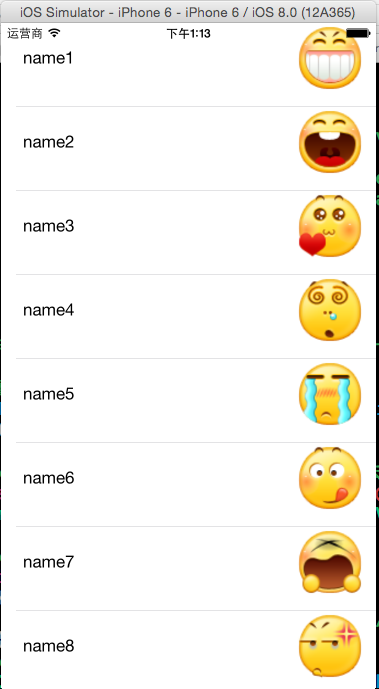
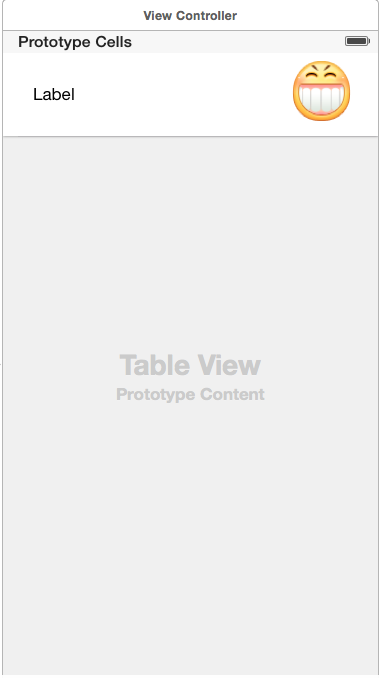

 #import <Foundation/Foundation.h>

 @interface Contact : NSObject

 @property (copy,nonatomic)NSString *name;

 @property (copy,nonatomic)NSString *faceName;

 -(instancetype)initWithName:(NSString*)name andFaceName:(NSString*) faceName;

 @end
 #import "Contact.h"

 @implementation Contact

 -(instancetype)initWithName:(NSString*)name andFaceName:(NSString*) faceName

 {

     self = [super init];

     if(self)

     {

         _name = [name copy];

         _faceName = [faceName copy];

     }

     return self;

 }

 @end
在视图控制器中完成代码:(需要用tag获取单元格的属性控件)
 #import "ViewController.h"

 #import "Contact.h"

 @interface ViewController ()<UITableViewDataSource>

 @property (weak, nonatomic) IBOutlet UITableView *tableView;

 @property (strong,nonatomic)NSMutableArray *contacts;

 @end

 @implementation ViewController

 - (void)viewDidLoad {

     [super viewDidLoad];

     //初始化数据

     self.contacts = [NSMutableArray arrayWithCapacity:];

     for(int i=; i<; i++)

     {

         Contact *conatct = [[Contact alloc]initWithName:[NSString stringWithFormat:@"name%d",i+] andFaceName:[NSString stringWithFormat:@"%d.png",i]];

         [self.contacts addObject:conatct];

     }

     //设置tableView的数据源

     self.tableView.dataSource = self;

 }

 #pragma mark -tableView的数据源方法

 //每一组多少行

 -(NSInteger)tableView:(UITableView *)tableView numberOfRowsInSection:(NSInteger)section

 {

     return self.contacts.count;

 }

 //设置每一个单元格的内容

 -(UITableViewCell *)tableView:(UITableView *)tableView cellForRowAtIndexPath:(NSIndexPath *)indexPath

 {

     //1.根据reuseIdentifier,先到对象池中去找重用的单元格对象

     static NSString *reuseIdentifier = @"myCell";

     UITableViewCell *cell = [self.tableView dequeueReusableCellWithIdentifier:reuseIdentifier];

     //2.设置单元格对象的内容

     Contact *contact = [self.contacts objectAtIndex:indexPath.row];

     UILabel *label = (UILabel*)[cell viewWithTag:];

     label.text = contact.name;

     UIImageView *imageView = (UIImageView*)[cell viewWithTag:];

     [imageView setImage:[UIImage imageNamed:contact.faceName]];

     return cell;

 }

 @end
方法二:直接在storyBoard中创建单元格并关联自定义的类并直接加载,自定义的单元格位置一个UITableView的上面
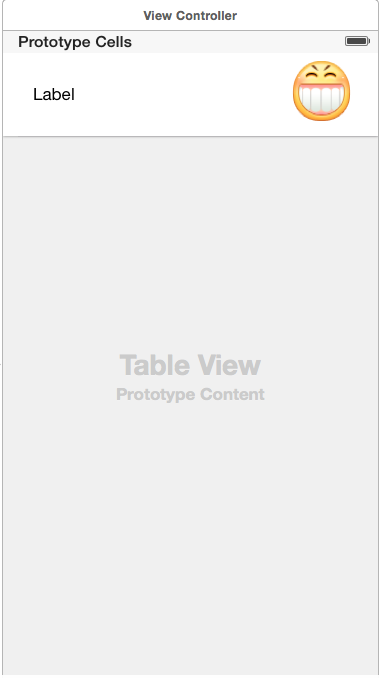
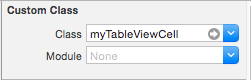
#import <Foundation/Foundation.h>

@interface Contact : NSObject

@property (copy,nonatomic)NSString *name;

@property (copy,nonatomic)NSString *faceName;

-(instancetype)initWithName:(NSString*)name andFaceName:(NSString*) faceName;

@end

#import "Contact.h"

@implementation Contact

-(instancetype)initWithName:(NSString*)name andFaceName:(NSString*) faceName

{

    self = [super init];

    if(self)

    {

        _name = [name copy];

        _faceName = [faceName copy];

    }

    return self;

}

@end
与单元格关联的自定义的类,关联单元格的属性控件(不需要再用tag获取了,直接用self.获取)
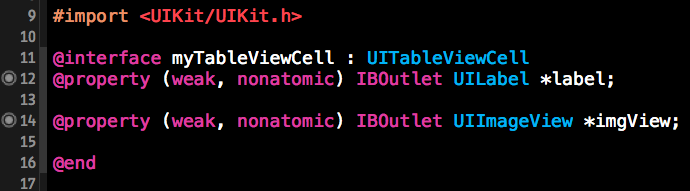
还是在视图控制器中完成加载:
 #import "ViewController.h"

 #import "Contact.h"

 #import "myTableViewCell.h"

 @interface ViewController ()<UITableViewDataSource>

 @property (weak, nonatomic) IBOutlet UITableView *tableView;

 @property (strong,nonatomic)NSMutableArray *contacts;

 @end

 @implementation ViewController

 - (void)viewDidLoad {

     [super viewDidLoad];

     //初始化数据

     self.contacts = [NSMutableArray arrayWithCapacity:];

     for(int i=; i<; i++)

     {

         Contact *conatct = [[Contact alloc]initWithName:[NSString stringWithFormat:@"name%d",i+] andFaceName:[NSString stringWithFormat:@"%d.png",i]];

         [self.contacts addObject:conatct];

     }

     //设置tableView的数据源

     self.tableView.dataSource = self;

 }

 #pragma mark -tableView的数据源方法

 //每一组多少行

 -(NSInteger)tableView:(UITableView *)tableView numberOfRowsInSection:(NSInteger)section

 {

     return self.contacts.count;

 }

 //设置每一个单元格的内容

 -(UITableViewCell *)tableView:(UITableView *)tableView cellForRowAtIndexPath:(NSIndexPath *)indexPath

 {

     //1.根据reuseIdentifier,先到对象池中去找重用的单元格对象

     static NSString *reuseIdentifier = @"myCell";

     myTableViewCell *cell = [self.tableView dequeueReusableCellWithIdentifier:reuseIdentifier];

     //2.设置单元格对象的内容

     Contact *contact = [self.contacts objectAtIndex:indexPath.row];

     cell.label.text = contact.name;

     [cell.imgView setImage:[UIImage imageNamed:contact.faceName]];

     return cell;

 }

 @end
方法三:在xib文件中创建单元格,然后再视图控制器中直接加载使用
首先在storyBoard中添加一个UITableView
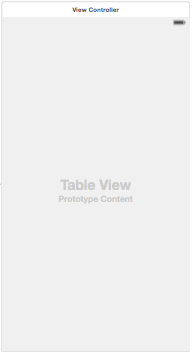
然后在已经创建好的MyCell.xib中创建自定义的单元格为:
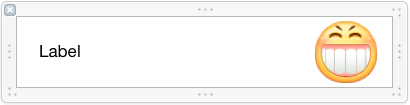
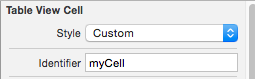
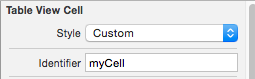
设置该单元格的重用标识符identifier:
创建一个联系人初始化的类:
 #import <Foundation/Foundation.h>

 @interface Contact : NSObject

 @property (copy,nonatomic)NSString *name;

 @property (copy,nonatomic)NSString *faceName;

 -(instancetype)initWithName:(NSString*)name andFaceName:(NSString*) faceName;

 @end

 #import "Contact.h"

 @implementation Contact

 -(instancetype)initWithName:(NSString*)name andFaceName:(NSString*) faceName

 {

     self = [super init];

     if(self)

     {

         _name = [name copy];

         _faceName = [faceName copy];

     }

     return self;

 }

 @end
还是在视图控制器中完成加载:
 #import "ViewController.h"

 #import "Contact.h"

 #import "myTableViewCell.h"

 @interface ViewController ()<UITableViewDataSource>

 @property (weak, nonatomic) IBOutlet UITableView *tableView;

 @property (strong,nonatomic)NSMutableArray *contacts;

 @end

 @implementation ViewController

 - (void)viewDidLoad {

     [super viewDidLoad];

     //初始化数据

     self.contacts = [NSMutableArray arrayWithCapacity:];

     for(int i=; i<; i++)

     {

         Contact *conatct = [[Contact alloc]initWithName:[NSString stringWithFormat:@"name%d",i+] andFaceName:[NSString stringWithFormat:@"%d.png",i]];

         [self.contacts addObject:conatct];

     }

     //设置tableView的数据源

     self.tableView.dataSource = self;

 }

 #pragma mark -tableView的数据源方法

 //每一组多少行

 -(NSInteger)tableView:(UITableView *)tableView numberOfRowsInSection:(NSInteger)section

 {

     return self.contacts.count;

 }

 //直接从xib文件中加载

 //设置每一个单元格的内容

 -(UITableViewCell *)tableView:(UITableView *)tableView cellForRowAtIndexPath:(NSIndexPath *)indexPath

 {

     //1.根据reuseIdentifier,先到对象池中去找重用的单元格对象

     static NSString *reuseIdentifier = @"myCell";

       UITableViewCell *cell = [self.tableView dequeueReusableCellWithIdentifier:reuseIdentifier];

     //2.如果没找到,就自己创建cell

     if(!cell)

     {

         //从xib文件中加载视图

        NSArray *views = [[NSBundle mainBundle]loadNibNamed:@"MyCell" owner:nil options:nil];

         cell = (UITableViewCell*)[views lastObject];

     }

     //3.设置单元格对象的内容

     Contact *contact = [self.contacts objectAtIndex:indexPath.row];

     UILabel *label = (UILabel*)[cell viewWithTag:];

     label.text = contact.name;

     UIImageView *imgView = (UIImageView*)[cell viewWithTag:];

     [imgView setImage:[UIImage imageNamed:contact.faceName]];

     return cell;

 }
方法四:在xib文件中创建单元格,并创建与之关联的的类,然后将加载过程封装到它的类中帮助初始化完成,同时该类提供类方法,最后再视图控制器中通过这个类方法获取单元格。
首先在storyBoard中添加一个UITableView

然后在已经创建好的MyCell.xib中创建自定义的单元格为:

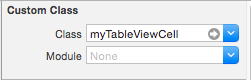
给单元格设置重用标识符identifier

将单元格与自定义的类关联
创建一个联系人初始化的类:
 #import <Foundation/Foundation.h>

  @interface Contact : NSObject

  @property (copy,nonatomic)NSString *name;

  @property (copy,nonatomic)NSString *faceName;

  -(instancetype)initWithName:(NSString*)name andFaceName:(NSString*) faceName;

  @end

 #import "Contact.h"

 @implementation Contact

 -(instancetype)initWithName:(NSString*)name andFaceName:(NSString*) faceName

 {

     self = [super init];

     if(self)

     {

         _name = [name copy];

         _faceName = [faceName copy];

     }

     return self;

 }

 @end
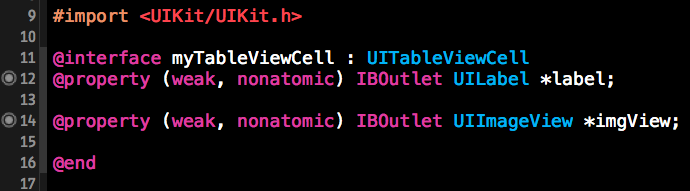
创建一个与单元格关联的类:(将加载单元格的过程和属性封装起来)
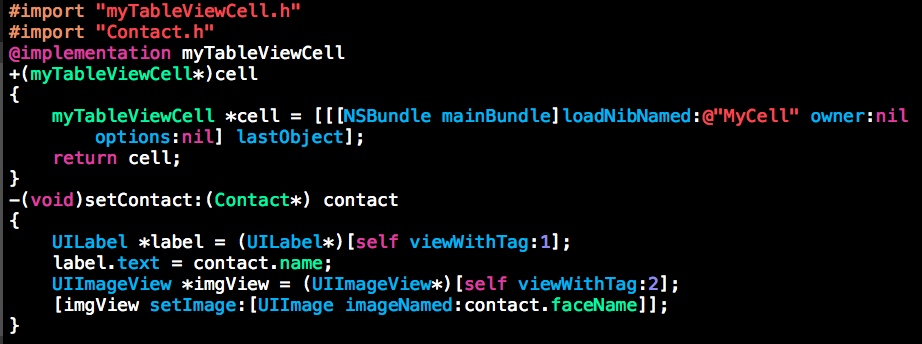
在视图控制器中通过上面的类方法获取单元格
 #import "ViewController.h"

 #import "Contact.h"

 #import "myTableViewCell.h"

 @interface ViewController ()<UITableViewDataSource>

 @property (weak, nonatomic) IBOutlet UITableView *tableView;

 @property (strong,nonatomic)NSMutableArray *contacts;

 @end

 @implementation ViewController

 - (void)viewDidLoad {

     [super viewDidLoad];

     //初始化数据

     self.contacts = [NSMutableArray arrayWithCapacity:];

     for(int i=; i<; i++)

     {

         Contact *conatct = [[Contact alloc]initWithName:[NSString stringWithFormat:@"name%d",i+] andFaceName:[NSString stringWithFormat:@"%d.png",i]];

         [self.contacts addObject:conatct];

     }

     //设置tableView的数据源

     self.tableView.dataSource = self;

 }

 #pragma mark -tableView的数据源方法

 //每一组多少行

 -(NSInteger)tableView:(UITableView *)tableView numberOfRowsInSection:(NSInteger)section

 {

     return self.contacts.count;

 }

 //在与xib关联的类中加载xib文件(其实就是封装了一下而已)

 //设置每一个单元格的内容

 -(UITableViewCell *)tableView:(UITableView *)tableView cellForRowAtIndexPath:(NSIndexPath *)indexPath

 {

     //1.根据reuseIdentifier,先到对象池中去找重用的单元格对象

     static NSString *reuseIdentifier = @"myCell";

     myTableViewCell *cell = [self.tableView dequeueReusableCellWithIdentifier:reuseIdentifier];

     //2.如果没找到,就自己创建cell

     if(!cell)

     {

         cell = [myTableViewCell cell];//调用类方法

     }

     //3.设置单元格对象的内容

     Contact *contact = [self.contacts objectAtIndex:indexPath.row];

     [cell setContact:contact];//调用实例方法

     return cell;

 }

 @end
iOS:UITableViewCell自定义单元格的更多相关文章
- Swift - 自定义单元格实现微信聊天界面
1,下面是一个放微信聊天界面的消息展示列表,实现的功能有: (1)消息可以是文本消息也可以是图片消息 (2)消息背景为气泡状图片,同时消息气泡可根据内容自适应大小 (3)每条消息旁边有头像,在左边表示 ...
- 浅谈DevExpress<五>:TreeList简单的美化——自定义单元格,加注释以及行序号
今天就以昨天的列表为例,实现以下效果:预算大于110万的单元格突出显示,加上行序号以及注释,如下图:
- jQuery MiniUI自定义单元格
监听处理"drawcell"事件 使用"drawcell"事件,可以自定义单元格内容.样式.行样式等. grid.on("drawcell" ...
- 使用VUE组件创建SpreadJS自定义单元格(一)
作为近五年都冲在热门框架排行榜首的Vue,大家一定会学到的一部分就是组件的使用.前端开发的模块化,可以让代码逻辑更加简单清晰,项目的扩展性大大加强.对于Vue而言,模块化的体现集中在组件之上,以组件为 ...
- 使用VUE组件创建SpreadJS自定义单元格(二)
在上篇中,我们介绍了如何通过设置runtimeCompiler为true,在Vue中实现了动态创建电子表格组件.想了解具体内容可看点击查看使用VUE组件创建SpreadJS自定义单元格(一). 但是在 ...
- 自己的自定义单元格(IOS)
定义自己的单位格有三种方法 - 代码 - xib - storyboard(推荐) 操作方法故事板 1.在TableView财产Prototype Cells至1.莫感觉1: 2.须要创建自己定义的单 ...
- IOS 取消表格单元格 TableViewCell 去掉高亮状态 点击Cell取消选择状态
以下是两种实现效果 1. 自定义cell 继承UITableViewCell 重写 -(void)setSelected:(BOOL)selected animated:(BOOL)animated ...
- UITableView自定义单元格
随手笔记: RootViewController代码 #import "RootViewController.h" #import "AddressContact.h&q ...
- NPOI 自定义单元格背景颜色-Excel
NPOI针对office2003使用HSSFWorkbook,对于offce2007及以上使用XSSFWorkbook:今天我以HSSFWorkbook自定义颜色为例说明,Office2007的未研究 ...
随机推荐
- Educational Codeforces Round 9 D - Longest Subsequence
D - Longest Subsequence 思路:枚举lcm, 每个lcm的答案只能由他的因子获得,类似素数筛搞一下. #include<bits/stdc++.h> #define ...
- jenkins备份与恢复
jenkins这里我通过thinbackup插件进行对jenkins的配置备份与恢复 1丶安装thinbackup插件 2丶系统管理选择thinbackup插件 3丶创建备份目录 mkdir /bac ...
- linux如何连接移动硬盘
下载第三方插件的地方: http://www.tuxera.com/community/open-source-ntfs-3g/ 这是具体教程: http://hellopyl.blog.51cto. ...
- TCP可靠传输及流量控制实现原理
一.为什么TCP是可靠传输? 1. 停止等待协议 通过确认与超时重传机制实现可靠传输 在发送完一个分组后,必须暂时保留已发送的分组的副本. 分组和确认分组都必须进行编号. 超时计时器的重传时间应当比数 ...
- 获取类的属性并排除特定属性(getType().GetProperties())
当获取一个类型(class)的所有属性时,想排除指定属性,该如何操作? 比如:EF中一个实体类型UserEntity,通过反射获取这个类的属性时,想排除这个为映射的字段ID 使用以下方法即可! Pro ...
- alpha冲刺阶段博客集合
作业格式 课程名称:软件工程1916|W(福州大学) 作业要求:项目Alpha冲刺(团队) 团队名称: 那周余嘉熊掌将得队 作业目标:作业集合 团队信息: 队员学号 队员姓名 博客地址 备注 2216 ...
- HTML 模板继承
网站模板的设计,一般的,我们做网站有一些通用的部分,比如 导航,底部,访问统计代码等.合理的规划模板往往会减少工作量,同时也使得罗乱.难以阅读的静态页面布局变得优雅. 假设,我们的网站主页面除了正文是 ...
- PHP 快速排序算法详解
备注:下面转载的快速排序算法有bug,数组中重复值会被删除,修改后如下: function quickSort($arr){ //递归出口 if(!isset($arr[1])){ return $a ...
- [BZOJ4570][SCOI2016]妖怪(凸包)
两种做法,前一种会TLE. 第一种是高一数学题做法,设一个妖怪的atk和dnf分别为x和y,则它在(a,b)环境下的战斗力为x+y/a*b+y+x/a*b. 设t为b/a,则战斗力即$f(x,y,t) ...
- BZOJ 4826: [Hnoi2017]影魔 单调栈 主席树
https://www.lydsy.com/JudgeOnline/problem.php?id=4826 年少不知空间贵,相顾mle空流泪. 和上一道主席树求的东西差不多,求两种对 1. max(a ...