
开源流程引擎Camunda BPM如何扩展数据库表
前言
在使用开源流程引擎(如:JBPM、Activiti、Flowable、Camunda等)的时候,经常会遇到这样的需求,我们需要按照业务需求增加一张数据库的表,而且这张表是跟工作流引擎有交互的(注意不是一张业务表),那么如何扩展一张数据库表并无缝地融入到流程引擎的机制中呢?下面以Camunda BPM为例,介绍如何扩展自定义数据库表。
模拟一个客户需求
假设某一客户的业务流程很多,有几百个,这些流程在camunda里是平层放的,没有按照业务归类,不便于管理和使用,客户希望把这些流程按照业务分类展示,就像一棵目录树,分A、B、C一层目录,A下面又分A1、A2、A3第二层目录,A1、A2、A3下面放的是具体的业务流程定义。
我们分析这个需求,需要扩展一张数据库表记录业务分类目录,同时需要在流程定义表里扩展一个字段,关联这个业务分类目录,这样才能实现流程定义按照业务分类展示。
扩展数据库表步骤
1. 建表
在camunda数据库里创建一张表,命名为act_re_proc_catalog(流程分类目录表)。
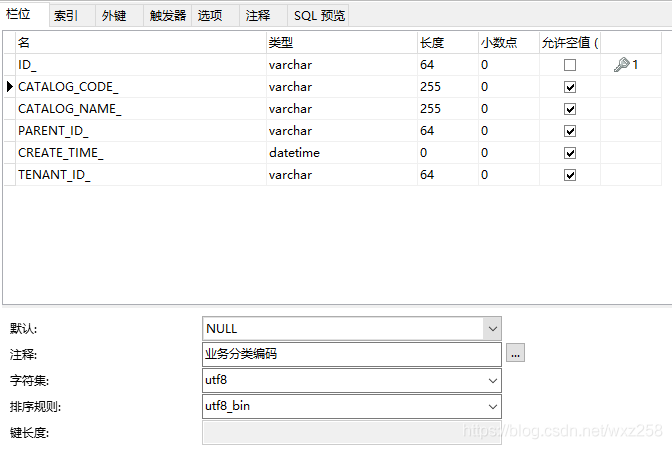
MySQL建表语句:
CREATE TABLE `act_re_proc_catalog` (

  `ID_` varchar(64) COLLATE utf8_bin NOT NULL DEFAULT '' COMMENT '主键',

  `CATALOG_CODE_` varchar(255) COLLATE utf8_bin DEFAULT NULL COMMENT '业务分类编码',

  `CATALOG_NAME_` varchar(255) COLLATE utf8_bin DEFAULT NULL COMMENT '业务分类名称',

  `PARENT_ID_` varchar(64) COLLATE utf8_bin DEFAULT NULL COMMENT '父节点ID',

  `CREATE_TIME_` datetime DEFAULT NULL COMMENT '插入或修改时间',

  `TENANT_ID_` varchar(64) COLLATE utf8_bin DEFAULT NULL,

  PRIMARY KEY (`ID_`) USING BTREE,

  KEY `ACT_IDX_PROC_CATALOG_TENANT_ID` (`TENANT_ID_`) USING BTREE

) ENGINE=InnoDB DEFAULT CHARSET=utf8 COLLATE=utf8_bin ROW_FORMAT=COMPACT;
2. 创建实体类
按照camunda的规则,创建实体类必须基于接口,所以先创建接口,接口命名为ProcessCatalog。
import java.util.Date;

public interface ProcessCatalog {

   String getId();

   String getCatalogCode() ;

   String getCatalogName() ;

   String getParentId() ;

   Date getCreateTime() ;

   String getTenantId();

}
接着创建实体类,实现上面的接口和DbEntity接口,实体类命名为ProcessCatalogEntity。
import org.camunda.bpm.engine.impl.db.DbEntity;

import org.camunda.bpm.engine.repository.ProcessCatalog;

import java.io.Serializable;

import java.util.Date;

/** * 流程目录实体类 */

public class ProcessCatalogEntity implements Serializable, ProcessCatalog, DbEntity {

  private static final long serialVersionUID = 1L;

  protected String id;

  protected String catalogCode;

  protected String catalogName;

  protected String parentId;

  protected Date createTime;

  protected String tenantId;

  public Object getPersistentState() {

    // properties of this entity are immutable

    // so always the same value is returned

    // so never will an update be issued for a DeploymentEntity

    return ProcessCatalogEntity.class;

  }

  public String getId() {

    return id;

  }

  public void setId(String id) {

    this.id = id;

  }

  public String getCatalogCode() {

    return catalogCode;

  }

  public void setCatalogCode(String catalogCode) {

    this.catalogCode = catalogCode;

  }

  public String getCatalogName() {

    return catalogName;

  }

  public void setCatalogName(String catalogName) {

    this.catalogName = catalogName;

  }

  public String getParentId() {

    return parentId;

  }

  public void setParentId(String parentId) {

    this.parentId = parentId;

  }

  public Date getCreateTime() {

    return createTime;

  }

  public void setCreateTime(Date createTime) {

    this.createTime = createTime;

  }

  public String getTenantId() {

    return tenantId;

  }

  public void setTenantId(String tenantId) {

    this.tenantId = tenantId;

  }

  @Override

  public String toString() {

    return this.getClass().getSimpleName()

           + "[id=" + id

           + ", catalogCode=" + catalogCode

           + ", catalogName=" + catalogName

           + ", parentId=" + parentId

            + ", createTime=" + createTime

           + ", tenantId=" + tenantId

           + "]";

  }

}
3. 创建mybatis mapper文件
mapper文件命名为ProcessCatalog.xml
insert into ${prefix}ACT_RE_PROC_CATALOG(ID_, CATALOG_CODE_, CATALOG_NAME_, PARENT_ID_, CREATE_TIME_, TENANT_ID_)

    values(#{id, jdbcType=VARCHAR},   #{catalogCode, jdbcType=VARCHAR}, #{catalogName, jdbcType=VARCHAR}, #{parentId, jdbcType=VARCHAR}, #{createTime, jdbcType=TIMESTAMP}, #{tenantId, jdbcType=VARCHAR})

    update ${prefix}ACT_RE_PROC_CATALOG

      PROCDEF_ = #{procdef, jdbcType=VARCHAR},

      CATALOG_CODE_ = #{catalogCode, jdbcType=VARCHAR},

      CATALOG_NAME_ = #{catalogName, jdbcType=VARCHAR},

      PARENT_ID_ = #{parentId, jdbcType=VARCHAR},

      CREATE_TIME_ = #{createTime, jdbcType=TIMESTAMP},

      TENANT_ID_ = #{tenantId, jdbcType=VARCHAR}

    where ID_= #{id, jdbcType=VARCHAR}

    delete from ${prefix}ACT_RE_PROC_CATALOG where ID_ = #{id}

    select * from ${prefix}ACT_RE_PROC_CATALOG where ID_ = #{id}

    ${limitBefore}

    select ${distinct} RES.*

    ${limitBetween}

    ${orderBy}

    ${limitAfter}

    select count(distinct RES.ID_)

    from ${prefix}ACT_RE_PROC_CATALOG RES

        RES.ID_ = #{id}

        and RES.CATALOG_CODE_ = #{catalogCode}

        and RES.CATALOG_NAME_ = #{catalogName}

        and RES.PARENT_ID_ = #{parentId}

        and RES.CREATE_TIME_ < #{createTimeBefore}

        and RES.CREATE_TIME_ > #{createTimeAfter}

          and ( RES.TENANT_ID_ in

            #{tenantId}

            or RES.TENANT_ID_ is null

          )

          and RES.TENANT_ID_ is null

    select *

    from ${prefix}ACT_RE_PROC_CATALOG

    where PARENT_ID_ = #{parameter.parentId}

      and CATALOG_CODE_ = #{parameter.catalogCode}

      and CATALOG_NAME_ = #{parameter.catalogName}

      and TENANT_ID_ is null

      and TENANT_ID_ = #{parameter.tenantId}

    order by CATALOG_CODE_ asc

    ${limitBefore}

    select ${distinct} RES.*

    ${limitBetween}

   	${orderBy}

    ${limitAfter}

    select count(distinct RES.ID_)
4. 创建数据查询类
按照camunda的规则,创建查询类必须基于接口,所以先创建查询接口,接口命名为ProcessCatalogQuery.java。
import org.camunda.bpm.engine.impl.QueryPropertyImpl;

import org.camunda.bpm.engine.query.Query;

import org.camunda.bpm.engine.query.QueryProperty;

import java.util.Date;

/** * 流程分类查询接口 */

public interface ProcessCatalogQuery extends Query<ProcessCatalogQuery, ProcessCatalog>{

  public static final QueryProperty  CATALOG_CODE = new QueryPropertyImpl("CATALOG_CODE_");

  public static final QueryProperty CREATE_TIME = new QueryPropertyImpl("CREATE_TIME_");

  public static final QueryProperty TENANT_ID = new QueryPropertyImpl("TENANT_ID_");

   ProcessCatalogQuery id(String id);

   ProcessCatalogQuery catalogCode(String catalogCode) ;

   ProcessCatalogQuery catalogName(String catalogName);

   ProcessCatalogQuery parentId(String parentId) ;

   ProcessCatalogQuery createTimeBefore(Date before);

   ProcessCatalogQuery createTimeAfter(Date after) ;

   ProcessCatalogQuery tenantIdIn(String... tenantIds) ;

   ProcessCatalogQuery withoutTenantId() ;

   ProcessCatalogQuery orderByCatalogCode();

   ProcessCatalogQuery orderByCreateTime();

   ProcessCatalogQuery orderByTenantId();

}
然后创建查询实现类,命名为ProcessCatalogQueryImpl.java
import org.camunda.bpm.engine.impl.interceptor.CommandContext;

import org.camunda.bpm.engine.impl.interceptor.CommandExecutor;

import org.camunda.bpm.engine.impl.util.CompareUtil;

import org.camunda.bpm.engine.repository.ProcessCatalog;

import org.camunda.bpm.engine.repository.ProcessCatalogQuery;

import java.io.Serializable;

import java.util.Date;

import java.util.List;

import static org.camunda.bpm.engine.impl.util.EnsureUtil.ensureNotNull;

/** * 流程表单配置查询实现 */

public class ProcessCatalogQueryImpl extends AbstractQuery<ProcessCatalogQuery, ProcessCatalog> implements ProcessCatalogQuery, Serializable {

  private static final long serialVersionUID = 1L;

  protected String id;

  protected String catalogCode;

  protected String catalogName;

  protected String parentId;

  protected Date createTime;

  protected String tenantId;

  protected Date createTimeBefore;

  protected Date createTimeAfter;

  protected boolean isTenantIdSet = false;

  protected String[] tenantIds;

  public ProcessCatalogQueryImpl() {

  }

  public ProcessCatalogQueryImpl(CommandExecutor commandExecutor) {

    super(commandExecutor);

  }

  public ProcessCatalogQuery id(String id) {

    ensureNotNull("Id ", id);

    this.id = id;

    return this;

  }

  public ProcessCatalogQuery catalogCode(String catalogCode) {

    ensureNotNull("catalogCode", catalogCode);

    this.catalogCode = catalogCode;

    return this;

  }

  public ProcessCatalogQuery catalogName(String catalogName) {

    ensureNotNull("catalogName", catalogName);

    this.catalogName = catalogName;

    return this;

  }

  public ProcessCatalogQuery parentId(String parentId) {

    ensureNotNull("parentId", parentId);

    this.parentId = parentId;

    return this;

  }

  public ProcessCatalogQuery createTimeBefore(Date before) {

    ensureNotNull("createTimeBefore", before);

    this.createTimeBefore = before;

    return this;

  }

  public ProcessCatalogQuery createTimeAfter(Date after) {

    ensureNotNull("createTimeAfter", after);

    this.createTimeAfter = after;

    return this;

  }

  public ProcessCatalogQuery tenantIdIn(String... tenantIds) {

    ensureNotNull("tenantIds", (Object[]) tenantIds);

    this.tenantIds = tenantIds;

    isTenantIdSet = true;

    return this;

  }

  public ProcessCatalogQuery withoutTenantId() {

    isTenantIdSet = true;

    this.tenantIds = null;

    return this;

  }

  protected boolean hasExcludingConditions() {

    return super.hasExcludingConditions() || CompareUtil.areNotInAscendingOrder(createTimeAfter, createTimeBefore);

  }

  public ProcessCatalogQuery orderByCatalogCode() {

    return orderBy(ProcessCatalogQuery.CATALOG_CODE);

  }

  public ProcessCatalogQuery orderByCreateTime() {

    return orderBy(ProcessCatalogQuery.CREATE_TIME);

  }

  public ProcessCatalogQuery orderByTenantId() {

    return orderBy(ProcessCatalogQuery.TENANT_ID);

  }

  @Override

  public long executeCount(CommandContext commandContext) {

    checkQueryOk();

    return commandContext.getProcessCatalogManager().findProcessCatalogCountByQueryCriteria(this);

  }

  @Override

  public List executeList(CommandContext commandContext, Page page) {

    checkQueryOk();

    return commandContext.getProcessCatalogManager().findProcessCatalogsByQueryCriteria(this, page);

  }

  public String getId() {

    return id;

  }

  public String getCatalogCode() {

    return catalogCode;

  }

  public String getCatalogName() {

    return catalogName;

  }

  public String getParentId() {

    return parentId;

  }

  public Date getCreateTimeBefore() {

    return createTimeBefore;

  }

  public Date getCreateTimeAfter() {

    return createTimeAfter;

  }

}
5. 创建数据库操作类
数据库操作类类似于DAO类,camunda的规则为xxxManager,我们命名该类为ProcessCatalogManager.java
import org.camunda.bpm.engine.impl.Page;

import org.camunda.bpm.engine.impl.ProcessCatalogQueryImpl;

import org.camunda.bpm.engine.impl.db.ListQueryParameterObject;

import org.camunda.bpm.engine.impl.persistence.AbstractManager;

import org.camunda.bpm.engine.repository.ProcessCatalog;

import java.util.HashMap;

import java.util.List;

import java.util.Map;

/** * 流程分类数据库操作类 */

public class ProcessCatalogManager extends AbstractManager {

  public void insertProcessCatalog(ProcessCatalogEntity processCatalogEntity) {

    getDbEntityManager().insert(processCatalogEntity);

    getDbEntityManager().update(ProcessCatalogEntity.class,"updateProcessCatalog",processCatalogEntity);

  }

  public void updateProcessCatalog(ProcessCatalogEntity processCatalogEntity) {

    getDbEntityManager().update(ProcessCatalogEntity.class,"updateProcessCatalog",processCatalogEntity);

  }

  public void deleteProcessCatalog(String id, final boolean cascade) {

    if (cascade) {

    }

    getDbEntityManager().delete(ProcessCatalogEntity.class, "deleteProcessCatalog", id);

  }

  public List findProcessCatalogsByParentId(String parentId) {

    Map<String, Object> parameters = new HashMap<String, Object>();

    parameters.put("parentId", parentId);

    ListQueryParameterObject parameterObject = new ListQueryParameterObject();

    parameterObject.setParameter(parameters);

    List list = getDbEntityManager().selectList("selectProcessCatalogsByProcdef", parameterObject);

    return list;

  }

  public ProcessCatalogEntity findProcessCatalogById(String id) {

    return getDbEntityManager().selectById(ProcessCatalogEntity.class, id);

  }

  public long findProcessCatalogCountByQueryCriteria(ProcessCatalogQueryImpl processCatalogQuery) {

    configureQuery(processCatalogQuery);

    return (Long) getDbEntityManager().selectOne("selectProcessCatalogCountByQueryCriteria", processCatalogQuery);

  }

  @SuppressWarnings("unchecked")

  public List findProcessCatalogsByQueryCriteria(ProcessCatalogQueryImpl processCatalogQuery, Page page) {

    configureQuery(processCatalogQuery);

    return getDbEntityManager().selectList("selectProcessCatalogsByQueryCriteria", processCatalogQuery, page);

  }

  @Override

  public void close() {

  }

  @Override

  public void flush() {

  }

  protected void configureQuery(ProcessCatalogQueryImpl query) {

    getAuthorizationManager().configureCatalogQuery(query);

    getTenantManager().configureQuery(query);

  }

}
6. 在mybatis中注册mapping
我们自定义的的mapping文件需要注册到全局的mappings.xml中,其实就是mybatis的机制,找到mappings.xml文件,增加如下一条记录。
<mapper resource="org/camunda/bpm/engine/impl/mapping/entity/ProcessCatalog.xml" />7. 在上下文中注册数据库操作类
Camunda中大量应用了命令模式,有自己的一套事务管理机制,数据库操作类必须要在CommandContext.java中进行注册。
public ProcessCatalogManager getProcessCatalogManager() {

    return getSession(ProcessCatalogManager.class);

  }
8. 在全局配置中注册数据库操作类
在ProcessEngineConfigurationImpl.java类的initSessionFactories方法中注册数据库操作类ProcessCatalogManager。
addSessionFactory(new GenericManagerFactory(ProcessCatalogManager.class));总结
通过以上的8个步骤,就可以在camunda中任意扩展数据库表了,同时我们也深入了解camunda原生数据操作机制。
开源流程引擎Camunda BPM如何扩展数据库表的更多相关文章
- 基于开源流程引擎开发BPM或OA有哪些难点
前言 如何基于开源流程引擎开发OA系统?开源流程引擎哪个好?把它整合到自己的产品里难不难,有没有啥风险?这是大家经常遇到的问题.笔者从2006年开始参与流程引擎开发,经历了三代流程引擎研发,支 ...
- 开源流程引擎camunda如何扩展
市场上基于Java语言的开源工作流引擎有:osworkflow.jbpm.activiti.flowable.camunda等,其中osworkflow.jbpm流程引擎已经过时,目前主流的开源 ...
- 开源流程引擎osworkflow、jbpm、activiti、flowable、camunda哪个好?
市场上比较有名的开源流程引擎有osworkflow.jbpm.activiti.flowable.camunda.其中:Jbpm4.Activiti.Flowable.camunda四个框架同宗同源, ...
- 基于camunda开源流程引擎如何实现会签及会签原理解析
一.背景 市场上比较有名的开源流程引擎有osworkflow.jbpm.activiti.flowable.camunda.由于jbpm.activiti.flowable这几个流程引擎出现的比较早, ...
- 开源流程引擎该如何选择flowable还是camunda
市场上比较有名的开源流程引擎有osworkflow.jbpm.activiti.flowable.camunda.现在国内用的最多的是activiti.flowable.camunda,下面主要从功能 ...
- Camunda开源流程引擎快速入门——Hello World
市场上比较有名的开源流程引擎有osworkflow.jbpm.activiti.flowable.camunda.由于jbpm.activiti.flowable这几个流程引擎出现的比较早,国内人用的 ...
- Fixflow引擎解析(一)(介绍) - Fixflow开源流程引擎介绍
Fixflow引擎解析(四)(模型) - 通过EMF扩展BPMN2.0元素 Fixflow引擎解析(三)(模型) - 创建EMF模型来读写XML文件 Fixflow引擎解析(二)(模型) - BPMN ...
- camunda开源流程引擎的数据库表结构介绍
Camunda bpm流程引擎的数据库由多个表组成,表名都以ACT开头,第二部分是说明表用途的两字符标识.本文以Camunda7.11版本为例,共47张表. ACT_RE_*: 'RE'表示流程资源存 ...
- 基于laravel的有偿开源流程引擎
系统主要文档已经编写完成,具体请前往查看[系统文档](https://www.kancloud.cn/lijianlin/jishullin_workflow_engine/1894424 " ...
随机推荐
- Python知识结构
Python知识结构(点我) 欢迎评论提修改意见
- Java报错:Unable to find setter method for attribute: [x]
在学习JavaWeb JSTL与自定义标签时遇到的坑,用的老师给的代码结果直接原地报错:javax.servlet.ServletException: org.apache.jasper.Jasper ...
- python---反转链表
class Node: def __init__(self, data): self.data = data self.next = None class Solution: "" ...
- String类为什么被设计成不可变类
1.享元模式: 1.共享元素模式,也就是说:一个系统中如果有多处用到了相同的一个元素,那么我们应该只存储一份此元素,而让所有地方都引用这一个元素. 2.Java中String就是根据享元模式设计的,而 ...
- sql语句——DML
DML:增删改表中数据 1. 添加数据: * 语法: * insert into 表名(列名1,列名2,...列名n) values(值1,值2,...值n); * 注意: 1. 列名和值要一一对应. ...
- Sql语言学习——DDl
DDL:操作数据库.表 1. 操作数据库:CRUD 1. C(Create):创建 * 创建数据库: * create database 数据库名称; * 创建数据库,判断不存在,再创建: * cre ...
- 2021.07.23 P2474 天平(差分约束)
2021.07.23 P2474 天平(差分约束) [P2474 SCOI2008]天平 - 洛谷 | 计算机科学教育新生态 (luogu.com.cn) 题意: 已知A,B和每两个点点权,求点权i, ...
- 控制Python浮点数输出位数
技术背景 在Python的一些长效任务中,不可避免的需要向文本文件.二进制文件或者数据库中写入一些数据,或者是在屏幕上输出一些文本,此时如何控制输出数据的长度是需要我们注意的一个问题.比如对于一个二进 ...
- 【报错解决】Uncaught TypeError: Failed to execute 'readAsDataURL' on 'FileReader': parameter 1 is not of type 'Blob'.
项目开发日记-bug多多篇(2) 同时也是 实现一些功能(3) 真的痛苦,写一天代码遇到的bug够我写三天博客. 今天是为了做一个头像功能,具体说是用户上传头像文件并且预览的功能. <div c ...
- Python图像处理丨OpenCV+Numpy库读取与修改像素
摘要:本篇文章主要讲解 OpenCV+Numpy 图像处理基础知识,包括读取像素和修改像素. 本文分享自华为云社区<[Python图像处理] 二.OpenCV+Numpy库读取与修改像素> ...