
Spring Cloud Gateway过滤器精确控制异常返回(分析篇)
欢迎访问我的GitHub
这里分类和汇总了欣宸的全部原创(含配套源码):https://github.com/zq2599/blog_demos
本篇概览
- 在《Spring Cloud Gateway修改请求和响应body的内容》一文中,咱们通过filter成功修改请求body的内容,当时留下个问题:在filter中如果发生异常(例如请求参数不合法),抛出异常信息的时候,调用方收到的返回码和body都是Spring Cloud Gateway框架处理后的,调用方无法根据这些内容知道真正的错误原因,如下图:
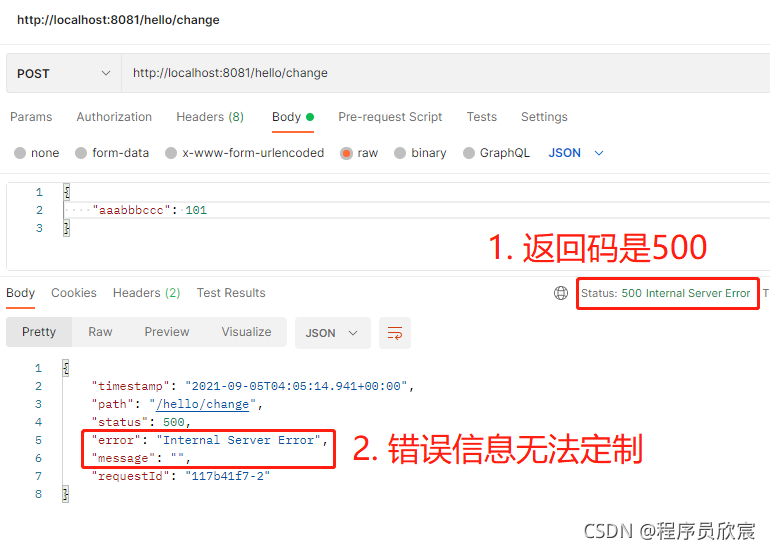
- 本篇任务就是分析上述现象的原因,通过阅读源码搞清楚返回码和响应body生成的具体逻辑
提前小结
- 这里将分析结果提前小结出来,如果您很忙碌没太多时间却又想知道最终原因,直接关注以下小结即可:
- Spring Cloud Gateway应用中,有个ErrorAttributes类型的bean,它的getErrorAttributes方法返回了一个map
- 应用抛出异常时,返回码来自上述map的status的值,返回body是整个map序列化的结果
- 默认情况下ErrorAttributes的实现类是DefaultErrorAttributes
- 再看上述map的status值(也就是response的返回码),在DefaultErrorAttributes是如何生成的:
- 先看异常对象是不是ResponseStatusException类型
- 如果是ResponseStatusException类型,就调用异常对象的getStatus方法作为返回值
- 如果不是ResponseStatusException类型,再看异常类有没有ResponseStatus注解,
- 如果有,就取注解的code属性作为返回值
- 如果异常对象既不是ResponseStatusException类型,也没有ResponseStatus注解,就返回500
- 最后看map的message字段(也就是response body的message字段),在DefaultErrorAttributes是如何生成的:
- 异常对象是不是BindingResult类型
- 如果不是BindingResult类型,就看是不是ResponseStatusException类型
- 如果是,就用getReason作为返回值
- 如果也不是ResponseStatusException类型,就看异常类有没有ResponseStatus注解,如果有就取该注解的reason属性作为返回值
- 如果通过注解取得的reason也无效,就返回异常的getMessage字段
- 上述内容就是本篇精华,但是并未包含分析过程,如果您对Spring Cloud源码感兴趣,请允许欣宸陪伴您来一次短暂的源码阅读之旅
Spring Cloud Gateway错误处理源码
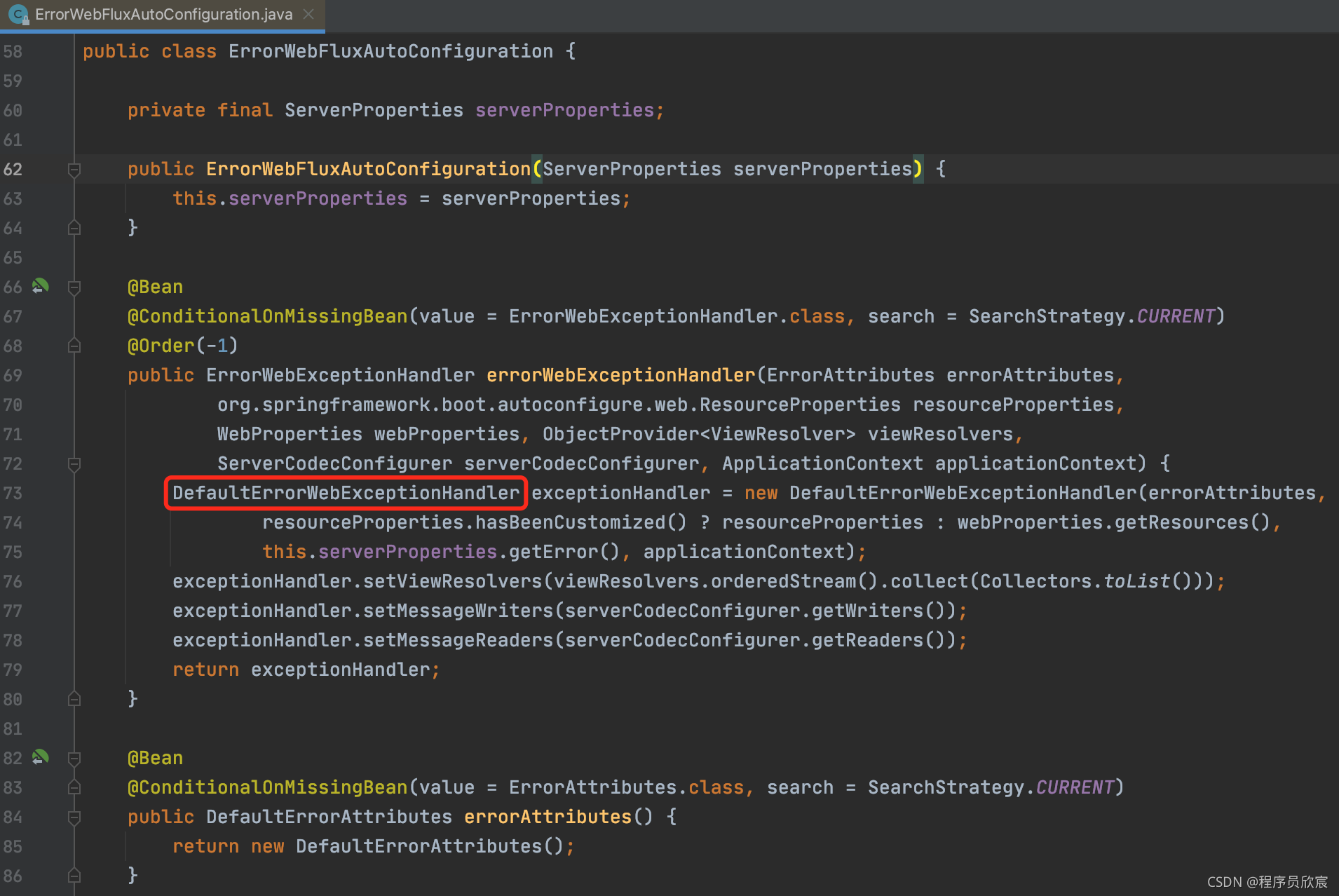
- 首先要看的是配置类ErrorWebFluxAutoConfiguration.java,这里面向spring注册了两个实例,每个都非常重要,咱们先关注第一个,也就是说ErrorWebExceptionHandler的实现类是DefaultErrorWebExceptionHandler:
- 处理异常时,会通过FluxOnErrorResume调用到这个ErrorWebExceptionHandler的handle方法处理,该方法在其父类AbstractErrorWebExceptionHandler.java中,如下图,红框位置的代码是关键,异常返回内容就是在这里决定的:
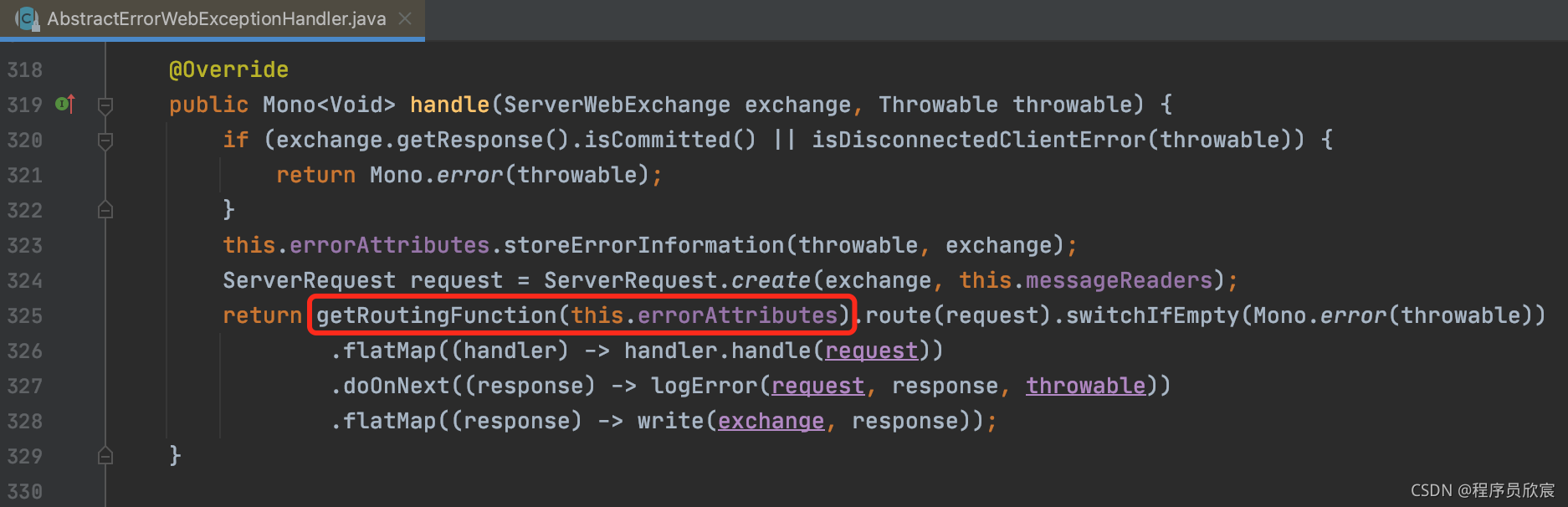
- 展开这个getRoutingFunction方法,可见会调用renderErrorResponse来处理响应:
@Override

protected RouterFunction<ServerResponse> getRoutingFunction(ErrorAttributes errorAttributes) {

		return route(acceptsTextHtml(), this::renderErrorView).andRoute(all(), this::renderErrorResponse);

	}
- 打开renderErrorResponse方法,如下所示,真相大白了!
protected Mono<ServerResponse> renderErrorResponse(ServerRequest request) {

  // 取出所有错误信息

  Map<String, Object> error = getErrorAttributes(request, getErrorAttributeOptions(request, MediaType.ALL));

  // 构造返回的所有信息

  return ServerResponse

           // 控制返回码

           .status(getHttpStatus(error))

           // 控制返回ContentType

           .contentType(MediaType.APPLICATION_JSON)

           // 控制返回内容

           .body(BodyInserters.fromValue(error));

}
- 通过上述代码,咱们得到两个重要结论:
- 返回给调用方的状态码,取决于getHttpStatus方法的返回值
- 返回给调用方的body,取决于error的内容
- 都已经读到了这里,自然要看看getHttpStatus的内部,如下所示,status来自入参:
protected int getHttpStatus(Map<String, Object> errorAttributes) {

  return (int) errorAttributes.get("status");

}
至此,咱们可以得出一个结论:getErrorAttributes方法的返回值是决定返回码和返回body的关键!
来看看这个getErrorAttributes方法的庐山真面吧,在DefaultErrorAttributes.java中(回忆刚才看ErrorWebFluxAutoConfiguration.java的时候,前面曾提到里面的东西都很重要,也包括errorAttributes方法):
public Map<String, Object> getErrorAttributes(ServerRequest request, ErrorAttributeOptions options) {

        Map<String, Object> errorAttributes = this.getErrorAttributes(request, options.isIncluded(Include.STACK_TRACE));

        if (Boolean.TRUE.equals(this.includeException)) {

            options = options.including(new Include[]{Include.EXCEPTION});

        }

        if (!options.isIncluded(Include.EXCEPTION)) {

            errorAttributes.remove("exception");

        }

        if (!options.isIncluded(Include.STACK_TRACE)) {

            errorAttributes.remove("trace");

        }

        if (!options.isIncluded(Include.MESSAGE) && errorAttributes.get("message") != null) {

            errorAttributes.put("message", "");

        }

        if (!options.isIncluded(Include.BINDING_ERRORS)) {

            errorAttributes.remove("errors");

        }

        return errorAttributes;

    }
- 篇幅所限,就不再展开上述代码了,直接上结果吧:
- 返回码来自determineHttpStatus的返回
- message字段来自determineMessage的返回
- 打开determineHttpStatus方法,终极答案揭晓,请关注中文注释:
private HttpStatus determineHttpStatus(Throwable error, MergedAnnotation<ResponseStatus> responseStatusAnnotation) {

        // 异常对象是不是ResponseStatusException类型

        return error instanceof ResponseStatusException

        // 如果是ResponseStatusException类型,就调用异常对象的getStatus方法作为返回值

        ? ((ResponseStatusException)error).getStatus()

        // 如果不是ResponseStatusException类型,再看异常类有没有ResponseStatus注解,

        // 如果有,就取注解的code属性作为返回值

        : (HttpStatus)responseStatusAnnotation.getValue("code", HttpStatus.class)

        // 如果异常对象既不是ResponseStatusException类型,也没有ResponseStatus注解,就返回500

        .orElse(HttpStatus.INTERNAL_SERVER_ERROR);

    }
- 另外,message字段的内容也确定了:
    private String determineMessage(Throwable error, MergedAnnotation<ResponseStatus> responseStatusAnnotation) {

        // 异常对象是不是BindingResult类型

        if (error instanceof BindingResult) {

            // 如果是,就用getMessage作为返回值

            return error.getMessage();

        }

        // 如果不是BindingResult类型,就看是不是ResponseStatusException类型

        else if (error instanceof ResponseStatusException) {

            // 如果是,就用getReason作为返回值

            return ((ResponseStatusException)error).getReason();

        } else {

            // 如果也不是ResponseStatusException类型,

            // 就看异常类有没有ResponseStatus注解,如果有就取该注解的reason属性作为返回值

            String reason = (String)responseStatusAnnotation.getValue("reason", String.class).orElse("");

            if (StringUtils.hasText(reason)) {

                return reason;

            } else {

                // 如果通过注解取得的reason也无效,就返回异常的getMessage字段

                return error.getMessage() != null ? error.getMessage() : "";

            }

        }

    }
至此,源码分析已完成,最终的返回码和返回内容究竟如何控制,相信聪明的您心里应该有数了,下一篇《实战篇》咱们趁热打铁,写代码试试精确控制返回码和返回内容
提前剧透,接下来的《实战篇》会有以下内容呈现:
- 直接了当,控制返回码和body中的error字段
- 小小拦路虎,见招拆招
- 简单易用,通过注解控制返回信息
- 终极方案,完全定制返回内容
- 以上内容敬请期待,欣宸原创必不辜负您
你不孤单,欣宸原创一路相伴
欢迎关注公众号:程序员欣宸
微信搜索「程序员欣宸」,我是欣宸,期待与您一同畅游Java世界...
https://github.com/zq2599/blog_demos
Spring Cloud Gateway过滤器精确控制异常返回(分析篇)的更多相关文章
- Spring Cloud Gateway过滤器精确控制异常返回(实战,控制http返回码和message字段)
欢迎访问我的GitHub 这里分类和汇总了欣宸的全部原创(含配套源码):https://github.com/zq2599/blog_demos 本篇概览 前文<Spring Cloud Gat ...
- Spring Cloud Gateway过滤器精确控制异常返回(实战,完全定制返回body)
欢迎访问我的GitHub 这里分类和汇总了欣宸的全部原创(含配套源码):https://github.com/zq2599/blog_demos 本篇概览 Spring Cloud Gateway应用 ...
- Spring Cloud Gateway之全局异常拦截器
/** * @version 2019/8/14 * @description: 异常拦截器 * @modified: */ @Slf4j public class JsonExceptionHand ...
- Spring Cloud Gateway修改请求和响应body的内容
欢迎访问我的GitHub https://github.com/zq2599/blog_demos 内容:所有原创文章分类汇总及配套源码,涉及Java.Docker.Kubernetes.DevOPS ...
- Spring Cloud Gateway实战之二:更多路由配置方式
欢迎访问我的GitHub https://github.com/zq2599/blog_demos 内容:所有原创文章分类汇总及配套源码,涉及Java.Docker.Kubernetes.DevOPS ...
- Spring Cloud gateway 网关服务二 断言、过滤器
微服务当前这么火爆的程度,如果不能学会一种微服务框架技术.怎么能升职加薪,增加简历的筹码?spring cloud 和 Dubbo 需要单独学习.说没有时间?没有精力?要学俩个框架?而Spring C ...
- Spring Cloud Alibaba学习笔记(18) - Spring Cloud Gateway 内置的过滤器工厂
参考:https://cloud.spring.io/spring-cloud-static/spring-cloud-gateway/2.1.0.RELEASE/single/spring-clou ...
- Spring Cloud Gateway(十):网关过滤器工厂 GatewayFilterFactory
本文基于 spring cloud gateway 2.0.1 1.GatewayFilterFactory 简介 路由过滤器允许以某种方式修改传入的HTTP请求或传出的HTTP响应. 路径过滤器的范 ...
- Spring Cloud Gateway自定义过滤器实战(观测断路器状态变化)
欢迎访问我的GitHub https://github.com/zq2599/blog_demos 内容:所有原创文章分类汇总及配套源码,涉及Java.Docker.Kubernetes.DevOPS ...
随机推荐
- 地形鞍部的提取(ArcPy实现)
1.背景 相邻两山头之间呈马鞍形的低凹部分称为鞍部.鞍部点是重要的地形控制点,它和山顶点.山谷点及山脊线.山谷线等构成地形特征点线,对地形具有很强的控制作用.因此,因此,对这些地形特征点.线的分析研究 ...
- 洛谷2149 Elaxia的路线(dp+最短路)
QwQ好久没更新博客了,颓废了好久啊,来补一点东西 题目大意 给定两个点对,求两对点间最短路的最长公共路径. 其中\(n,m\le 10^5\) 比较简单吧 就是跑四遍最短路,然后把最短路上的边拿出来 ...
- OGG-如何只同步最近某个时间范围的数据
一.需求,某客户希望使用OGG只同步时间大于2021-02-01日期之后的数据变换 需求如标题所示,如何使用OGG进行配置? 客户环境需要同步的表有几百G,表数据太大了;如果同步所有数据,目标库空间存 ...
- Hive架构及搭建方式
目录 前言 hive的基础知识 基本架构 metastore 内嵌服务和数据库 内嵌服务 服务和数据库单独部署 hcatalog 客户端 客户端的本地模式 beeline beeline的自动模式 j ...
- 4个实验,彻底搞懂TCP连接的断开
前言 看到这个标题你可能会说,TCP 连接的建立与断开,这个我熟,不就是三次握手与四次挥手嘛.且慢,脑海中可以先尝试回答这几个问题: 四次挥手是谁发起的? 如果断电/断网了连接会断开吗? 什么情况下没 ...
- Java:阻塞队列
Java:阻塞队列 本笔记是根据bilibili上 尚硅谷 的课程 Java大厂面试题第二季 而做的笔记 1. 概述 概念 队列 队列就可以想成是一个数组,从一头进入,一头出去,排队买饭 阻塞队列 B ...
- AIApe问答机器人Scrum Meeting 4.29
Scrum Meeting 4 日期:2021年4月29日 会议主要内容概述:汇报两日工作,讨论任务优先级. 一.进度情况 组员 负责 两日内已完成的工作 后两日计划完成的工作 工作中遇到的困难 李明 ...
- Linux零基础之shell基础编程入门
从程序员的角度来看, Shell本身是一种用C语言编写的程序,从用户的角度来看,Shell是用户与Linux操作系统沟通的桥梁.用户既可以输入命令执行,又可以利用 Shell脚本编程,完成更加复杂的操 ...
- 攻防世界 杂项 3.神奇的Modbus
[目标] 了解modbus协议 [工具] Wireshark [分析过程] 在数据包中寻找flag就行,flag是明文形式存储. 工业设备消息传输使用modbus协议.所以我就采集了modbus的通信 ...
- 洛谷 P3232 [HNOI2013]游走
链接: P3232 题意: 和上次考试 T4 的简化且无修改一样,经典图上高斯消元求期望. 分析: 要求出每个点的期望出发次数 \(f_i\),每个点度数为 \(d_i\),有 \[f1=\sum\d ...