
Monitoring tools that everyone's currently using
Although a lot of new tools have arrived since 2011, it's clear that older open source tools like Nagios, and Nagios alternatives like Zabbix and Icinga, still dominate the market, with 70% of the companies we spoke to still using these tools for their core monitoring & alerting.
Around 70% of the companies used more than one monitoring tool, with most using an average of two. Nagios/Graphite configurations were most common, with many also using New Relic. However, only two of the companies we spoke to actually paid for New Relic, with most of the companies using the free version as they found the paid version too expensive.
In the "other" category, there were a lot of different tools with no particular one standing out. Types of tools that fell into this category were SaaS monitoring tools such as Librato & Datadog, used by several smaller start-ups, or many older open source tools like Cacti or Munin. Some AWS users rely on CloudWatch, and there were even a few custom built solutions.

Graph 1: Percentage of companies with monitoring tools deployed.
If we look at tool usage versus the number of servers the companies manage (< 20 being new startup services, and all the way to > 1000 servers for the large online services), you can see that the proportion of older open source tools like Nagios, or paid on-premise tools goes up as the service gets larger, whereas the smaller, newer services are more likely to use developer focused tools like Graphite, LogStash and New Relic.
This makes sense, as many of the larger services are older (> 5 years old) so have legacy monitoring infrastructure, and also have the resources to hire a dedicated operations team who tend to bring in the tools their most familiar with, namely Nagios or Nagios alternatives. They also have more money to pay for monitoring tools like Splunk (which everyone would love to have if they could afford it) or AppDynamics.
The newer smaller services tend not to have any DevOps/Operations people in their company, so developers tend to use simpler-to-install SaaS monitoring tools, or tools that help them such as Graphite or LogStash. There seems to be a tipping point between 50-100 servers when the company has the resources to bring in a DevOps/Operations person or team and they start bringing in the infrastructure monitoring tools like Nagios to provide the coverage they need.
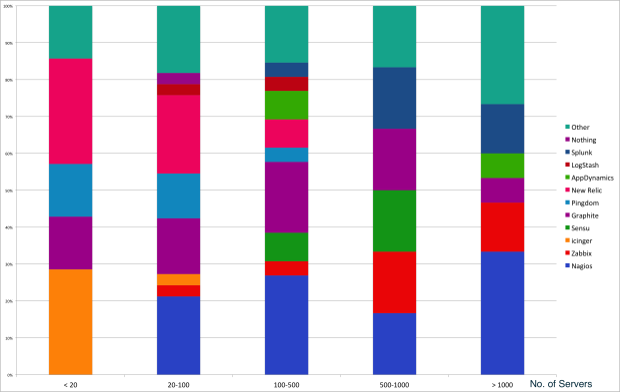
Graph 2: Tool Usage vs. Number of Servers Managed
Key Trends:
1. Many people found the newer services lacked the flexibility of open source solutions with their ability to customize them to their requirements, and didn't like the idea of learning a proprietary system with its own plugin design and features. So they built their own "kit car".
2. While the services became larger, the trend was the move towards microservices, with different cross-functional development teams building, deploying and supporting their own parts of the service.
3. There are some simpler things that can be done to reduce spammy alerts with potential of predictive & more intelligent alerting using machine learning.
[excerpt from Outlyer]
Monitoring tools that everyone's currently using的更多相关文章
- PostgreSQL Performance Monitoring Tools
PostgreSQL Performance Monitoring Tools https://github.com/CloudServer/postgresql-perf-tools This pa ...
- 4. Traffic monitoring tools (流量监控工具 10个)
4. Traffic monitoring tools (流量监控工具 10个)EttercapNtop SolarWinds已经创建并销售了针对系统管理员的数十种专用工具. 安全相关工具包括许多网络 ...
- Top 10 Free Wireless Network hacking/monitoring tools for ethical hackers and businesses
There are lots of free tools available online to get easy access to the WiFi networks intended to he ...
- Top 12 Best Free Network Monitoring Tools (12种免费网络监控工具)
1) Fiddler Fiddler(几乎)是适用于任何平台和任何操作系统的最好的免费网络工具,并提供了一些广受欢迎的关键特性.如:性能测试.捕捉记录HTTP/HTTPs请求响应.进行web调试等很多 ...
- Java Monitoring&Troubleshooting Tools
JDK Tools and Utilities Monitoring Tools You can use the following tools to monitor JVM performance ...
- troubleshooting tools in JDK 7--转载
This chapter describes in detail the troubleshooting tools that are available in JDK 7. In addition, ...
- Java Performance Optimization Tools and Techniques for Turbocharged Apps--reference
Java Performance Optimization by: Pierre-Hugues Charbonneau reference:http://refcardz.dzone.com/refc ...
- Flink监控:Monitoring Apache Flink Applications
This post originally appeared on the Apache Flink blog. It was reproduced here under the Apache Lice ...
- MySQL Performance Tuning: Tips, Scripts and Tools
With MySQL, common configuration mistakes can cause serious performance problems. In fact, if you mi ...
随机推荐
- 用intellij idea 写第一个Java程序
Java小白,还不怎么会eclipse,只会在命令行用javac编译并java运行编译后的类. 英文还不好orz 发现创建项目后,能build但就是不能run... 找了半天教程没找着,去官网溜了一下 ...
- js抽象工厂模式
抽象工厂模式,提供一个创建一系列相关或相互依赖对象的接口,而无需指定它们具体的类. 抽象工厂允许客户使用抽象的接口来创建一组相关产品,而不需要知道或关心实际生产出的具体产品是什么.这样客户就可以从具体 ...
- Qt5 窗口内的控件随窗口大小自动变化
http://www.bubuko.com/infodetail-827151.html 讲的很详细
- VS2010 + QT 5 +open inventor 环境配置
本科毕业设计做的是 随钻测量的井眼轨迹和测井曲线的三维显示 要求的环境是 QT + Open Inventor 在寒假开学前,打算将环境配置好,开学后再正式编码实现,可是....环境也 ...
- 计时器(C#)
很多项目要用到计时器,我就自己包装了一个,倒计时还没加,有时间再加上吧.持续更新 using UnityEngine; using UnityEngine.UI; /// <summary> ...
- 解决CentOS 6环境时区、日期、时间同步方法
有些时候我们在选择的VPS服务商提供的VPS主机方案安装系统.安装建站环境之后就直接上马网站,但是我们会有发现发布的文章或者有些时候设置的自动执行脚本时间与我们实际的时间不符合.甚至有些程序是需要与本 ...
- java中base64
// 将 s 进行 BASE64 编码 public static String getBASE64(String s) { if (s == null) return null; return (n ...
- App自动化测试探索(一)借助Appium实现APP的自动化测试
移动应用测试十大要领: 选择系统平台 选择测试设备的品牌 注意行业和设备区分 关注Android的更新 不要忘记老设备 灵活使用Web分析工具 注意区分地区.运营商和网络技术 掌握智能手机的屏幕分辨率 ...
- oracle后台进程简介
一:database write--数据写入 DBWR 作用:把SGA中被修改的数据同步到磁盘文件中.保证Buffer Cache中有足够的空闲数据块数量. PS:如果LGWR出现故障, ...
- 2 Python 基本语法
编译型与解释型. 编译器是把源程序的每一条语句都编译成机器语言,并保存成二进制文件,这样运行时计算机可以直接以机器语言来运行此程序,速度很快; 而解释器则是只在执行程序时,才一条一条的解释成机器语言给 ...