
SQLite3源程序分析之虚拟机
前言
最早的虚拟机可追溯到IBM的VM/370,到上个世纪90年代,在计算机程序设计语言领域又出现一件革命性的事情——Java语言的出现,它与c++最大的不同在于它必须在Java虚拟机上运行。Java虚拟机掀起了虚拟机技术的热潮,随后,Microsoft也不甘落后,雄心勃勃的推出了.Net平台。首先将SQLite虚拟机与Java虚拟机作对比。
1、概述
所谓虚拟机是指对真实计算机资源环境的一个抽象,它为解释性语言程序提供了一套完整的计算机接口。虚拟机的思想对现在的编译有很大影响,其思路是先编译成虚拟机指令,然后针对不同计算机实现该虚拟机。
虚拟机定义了一组抽象的逻辑组件,这些组件包括寄存器组、数据栈和指令集等等。
虚拟机指令的解释执行包括3步:
1. 获取指令参数;
2. 执行该指令对应的功能;
3. 分派下一条指令。
其中第一步和第三步构成了虚拟机的执行开销。
很多语言都采用了虚拟机作为运行环境。作为下一代计算平台的竞争者,Sun的Java和微软的.NET平台都采用了虚拟机技术。Java的支撑环境是Java虚拟机(Java Virtual Machine,JVM),.NET的支撑环境是通用语言运行库(Common Language Runtime,CLR)。JVM是典型的虚拟机架构。
Java平台结构如图所示。从图中可以看出,JVM处于核心位置,它的下方是移植接口。移植接口由依赖平台的和不依赖平台的两部分组成,其中依赖于平台的部分称为适配器。JVM通过移植接口在具体的操作系统上实现。如果在Java操作系统(Java Operation System, JOS)上实现,则不需要依赖于平台的适配器,因为这部分工作已由JOS完成。因此对于JVM来说,操作系统和更低的硬件层是透明的。在JVM的上方,是Java类和Java应用程序接口(Java API)。在Java API上可以编写Java应用程序和Java小程序(applet)。所以对于Java应用程序和applet这一层次来说,操作系统和硬件就更是透明的了。我们编写的Java程序,可以在任何Java平台上运行而无需修改。
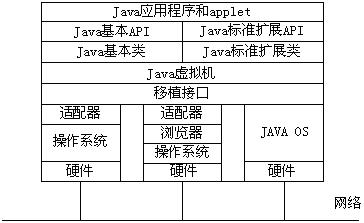
JVM定义了独立于平台的类文件格式和字节码形式的指令集。在任何Java程序的字节码表示形式中,变量和方法的引用都是使用符号,而不是使用具体的数字。由于内存的布局要在运行时才确定,所以类的变量和方法的改变不会影响现存的字节码。例如,一个Java程序引用了其他系统中的某个类,该系统中那个类的更新不会使这个Java程序崩溃。这也提高了Java的平台独立性。
虚拟机一般都采用了基于栈的架构,这种架构易于实现。虚拟机方法显著提高了程序语言的可移植性和安全性,但同时也导致了执行效率的下降。
2、Java虚拟机
2.1、概述
Java虚拟机的主要任务是装载Class文件并执行其中的字节码。Java虚拟机包含一个类装载器(class loader),它从程序和API中装载class文件,Java API中只有程序执行时需要的那些类才会被装载,字节码由执行引擎来执行。
不同的Java虚拟机,执行引擎的实现可能不同。在软件实现的虚拟机中,一般有以下几种实现方式:
(1)解释执行:实现简单,但速度较慢,这是Java最初阶段的实现方式。
(2)即时编译(just-in-time):执行较快,但消耗内存。在这种情况下,第一次执行的字节码会编译成本地机器代码,然后被缓存,以后可以重用。
(3)自适应优化器:虚拟机开始的时候解释字节码,但是会监视程序的运行,并记录下使用最频繁的代码,然后把这些代码编译成本地代码,而其它的代码仍保持为字节码。该方法既提高的运行速度,又减少了内存开销。
同样,虚拟机也可由硬件来实现,它用本地方法执行Java字节码。

2.2、Java虚拟机
Java虚拟机的结构分为:类装载子系统,运行时数据区,执行引擎,本地方法接口。其中运行时数据区又分为:方法区,堆,Java栈,PC寄存器,本地方法栈。

3、SQLite虚拟机
在SQLite的后端(backend)的上一层,通常叫做虚拟数据库引擎(virtual database engine),或者叫做虚拟机(virtual machine)。从作用上来说,它是SQLite的核心。用户程序发出的SQL语句请求,由前端(frontend)编译器处理,生成字节代码程序(bytecode programs),然后由VM解释执行。VM执行时,又会调用B-tree模块的相关的接口,并输出执行的结果(本节将以一个具体的查询过程来描述这一过程)。
3.1、虚拟机的内部结构
先来看一个简单的例子:
int main(int argc, char **argv)
{
    int rc, i,  id, cid;
    char *name;
    char *sql;
    char *zErr;
    sqlite3 *db; sqlite3_stmt *stmt;
    sql="select id,name,cid from episodes";
    //打开数据库
    sqlite3_open("test.db", &db);
    //编译sql语句
    sqlite3_prepare(db, sql, strlen(sql), &stmt, NULL);
    //调用VM,执行VDBE程序
    rc = sqlite3_step(stmt);
    while(rc == SQLITE_ROW) {
        id = sqlite3_column_int(stmt, );
        name = ();
        cid = sqlite3_column_int(stmt, );
        if(name != NULL){
            fprintf(stderr, "Row:  id=%i, cid=%i, name='%s'\n", id,cid,name);
        } else {
            /* Field is NULL */
            fprintf(stderr, "Row:  id=%i, cid=%i, name=NULL\n", id,cid);
        }
        rc = sqlite3_step(stmt);
    }
    //释放资源
    sqlite3_finalize(stmt);
    //关闭数据库
    sqlite3_close(db);
    ;
}
这段程序很简单,它的功能就是遍历整个表,并把查询结果输出。
在SQLite 中,用户发出的SQL语句,都会由编译器生成一个虚拟机实例。在上面的例子中,变量sql代表的SQL语句经过sqlite3_prepare()处理后,便生成一个虚拟机实例——stmt。虚拟机实例从外部看到的结构是sqlite3_stmt所代表的数据结构,而在内部,是一个vdbe数据结构代表的实例。
关于这点可以看看它们的定义:
//sqlite3.h
typedef struct sqlite3_stmt sqlite3_stmt;
vdbe的定义:
//虚拟机数据结构 vdbeInt.h
struct Vdbe {
  sqlite3 *db;        /* The whole database */
  Vdbe *pPrev,*pNext; /* Linked list of VDBEs with the same Vdbe.db */
  FILE *trace;        /* Write an execution trace here, if not NULL */
  int nOp;            /* Number of instructions in the program(指令的条数) */
  int nOpAlloc;       /* Number of slots allocated for aOp[]*/
  Op *aOp;            /* Space to hold the virtual machine's program(指令)*/
  int nLabel;         /* Number of labels used */
  int nLabelAlloc;    /* Number of slots allocated in aLabel[] */
  int *aLabel;        /* Space to hold the labels */
  Mem *aStack;        /* The operand stack, except string values(栈空间) */
  Mem *pTos;          /* Top entry in the operand stack(栈顶指针) */
  Mem **apArg;        /* Arguments to currently executing user function */
  Mem *aColName;      /* Column names to return */
  int nCursor;        /* Number of slots in apCsr[] */
  Cursor **apCsr;     /* One element of this array for each open cursor(游标数组) */
  int nVar;           /* Number of entries in aVar[] */
  Mem *aVar;          /* Values for the OP_Variable opcode*/
  char **azVar;       /* Name of variables */
  int okVar;          /* True if azVar[] has been initialized */
  int magic;              /* Magic number for sanity checking */
  int nMem;               /* Number of memory locations currently allocated */
  Mem *aMem;              /* The memory locations(保存临时变量的Mem)*/
  int nCallback;          /* Number of callbacks invoked so far(回调的次数) */
  int cacheCtr;           /* Cursor row cache generation counter */
  Fifo sFifo;             /* A list of ROWIDs */
  int contextStackTop;    /* Index of top element in the context stack */
  int contextStackDepth;  /* The size of the "context" stack */
  Context *contextStack;  /* Stack used by opcodes ContextPush & ContextPop*/
  int pc;                 /* The program counter(初始程序计数器) */
  int rc;                 /* Value to return(返回结果) */
  unsigned uniqueCnt;     /* Used by OP_MakeRecord when P2!=0 */
  int errorAction;        /* Recovery action to do in case of an error */
  int inTempTrans;        /* True if temp database is transactioned */
  ];   /* Return address stack for OP_Gosub & OP_Return */
  int returnDepth;        /* Next unused element in returnStack[] */
  int nResColumn;         /* Number of columns in one row of the result set */
  char **azResColumn;     /* Values for one row of result */
  int popStack;           /* Pop the stack this much on entry to VdbeExec()(出栈的项数) */
  char *zErrMsg;          /* Error message written here */
  u8 resOnStack;          /* True if there are result values on the stack(有结果在栈上则为真)*/
  u8 explain;             /* True if EXPLAIN present on SQL command */
  u8 changeCntOn;         /* True to update the change-counter */
  u8 aborted;             /* True if ROLLBACK in another VM causes an abort */
  u8 expired;             /* True if the VM needs to be recompiled */
  u8 minWriteFileFormat;  /* Minimum file format for writable database files */
  int nChange;            /* Number of db changes made since last reset */
  i64 startTime;          /* Time when query started - used for profiling */
#ifdef SQLITE_SSE
  int fetchId;          /* Statement number used by sqlite3_fetch_statement */
  int lru;              /* Counter used for LRU cache replacement */
#endif
};
由vdbe的定义,可以总结出SQLite虚拟机的内部结构:

3.2、指令
int nOp;            /* Number of instructions in the program(指令的条数) */
Op *aOp;            /* Space to hold the virtual machine's program(指令)*/
aOp数组保存有SQL经过编译后生成的所有指令,对于上面的例子为:
、Goto()    ||0c

、Integer() ||

、OpenRead()||

、SetNumColumns()||

、Rewind() ||0a

、Rowid()   ||

、Column()   ||

、Column()   ||

、Callback()||

、Next(|

、Close

、Halt

、Transaction()||

、VerifyCookie()||

、Goto()    |||
sqlite3_step()引起VDBE解释引擎执行这段代码,下面来分析该段指令的执行过程:
Goto:这是一条跳转指令,它的作用仅仅是跳到第12条指令;
Transaction:开始一个事务(读事务);
Goto:跳到第1条指令;
Integer:把操作数P1入栈,这里的0表示OpenRead指令打开的数据库的编号;
OpenRead:打开表的游,数据库的编号从栈顶中取得,P1为游标的编号,P2为root page。如果P2<=0,则从栈中取得root page no;
SetNumColumns:对P1确定的游标的列数设置为P2(在这里为3),在OP_Column指令执行前,该指令应该被调用来设置表的列数;
Rewind:移动当前游标(P1)移到表或索引的第一条记录;
Rowid:把当前游标(P1)指向的记录的关键字压入栈;
Column:解析当前游标指定的记录的数据,p1为当前游标索引号,p2为列号,并将结果压入栈中;
Callback:该指令执行后,PC将指向下一条指令。该指令的执行会结束sqlite3_step()的运行,并向其返回SQLITE_ROW ——如果存在记录的话;并将VDBE的PC指针指向下一条指令——即Next指令,所以当重新调用sqlite3_step()执行VDBE程序时,会执行Next指令(具体的分析见后面的指令实例分析);
Next:将游标移到下一条记录,并将PC指向第5条指令;
Close:关闭数据库。
3.3、栈
Mem *aStack;        /* The operand stack, except string values(栈空间) */
Mem *pTos;          /* Top entry in the operand stack(栈顶指针) */
aStack是VDBE执行时使用的栈,它主要用来保存指令执行时需要的参数,以及指令执行时产生的中间结果(参见后面的指令实例分析)。
在计算机硬件领域,基于寄存器的架构已经压倒基于栈的架构成为当今的主流,但是在解释性的虚拟机领域,基于栈架构的实现占了上风。
1. 从编译的角度来看,许多编程语言可以很容易地被编译成栈架构机器语言。如果采用寄存器架构,编译器为了获得好的性能必须进行优化,如全局寄存器分配(这需要对数据流进行分析)。这种复杂的优化工作使虚拟机的便捷性大打折扣。
2. 如果采用寄存器架构,虚拟机必须经常保存和恢复寄存器中的内容。与硬件计算机相比,这些操作在虚拟机中的开销要大得多。因为每一条虚拟机指令都需要进行很费时的指令分派操作。虽然其它的指令也要分派,但是它们的语义内容更丰富。
3. 采用寄存器架构时,指令对应的操作数位于不同寄存器中,对操作数的寻址也是一个问题。而在基于栈的虚拟机中,操作数位于栈顶或紧跟在虚拟机指令之后。由于基于栈的架构的简便性,一些查询语言的实现也采用了此种架构。
SQLite的虚拟机就是基于栈架构的实现。每一个vdbe都有一个栈顶指针,它保存着vdbe的初始栈顶值。而在解释引擎中也有一个pTos,它们是有区别的:
(1)vdbe的pTos:在一趟vdbe执行的过程中不会变化,直到相应的指令修改它为止,在上面的例子中,Callback指令会修改其值(见指令分析)。
(2)而解释引擎中的pTos是随着指令的执行而动态变化的,在上面的例子中,Integer、Column指令的执行都会引起解释引擎pTos的改变。
3.4、指令计数器(PC)
每一个vdbe都有一个程序计数器,用来保存初始的计数器值。和pTos一样,解释引擎也有一个pc,它用来指向VM下一条要执行的指令。
3.5、解释引擎
经过编译器生成的vdbe最终都是由解释引擎解释执行的,SQLite的解释引擎实现的原理非常简单,本质上就是一个包含大量case语句的for循环,但是由于SQLite的指令较多(在version 3.3.6中是139条),所以代码比较庞大。
SQLite的解释引擎是在一个方法中实现的:
int sqlite3VdbeExec(
  Vdbe *p                    /* The VDBE */
)
具体代码如下(已删除一些不影响阅读的代码):
/*执行VDBE程序.当从数据库中取出一行数据时,该函数会调用回调函数(如果有的话),或者返回SQLITE_ROW.*/
int sqlite3VdbeExec(
  Vdbe *p                    /* The VDBE */
){
  //指令计数器
  int pc;                    /* The program counter */
  //当前指令
  Op *pOp;                   /* Current operation */
  int rc = SQLITE_OK;        /* Value to return */
  //数据库
  sqlite3 *db = p->db;       /* The database */
  u8 encoding = ENC(db);     /* The database encoding */
  //栈顶
  Mem *pTos;                 /* Top entry in the operand stack */
  if( p->magic!=VDBE_MAGIC_RUN ) return SQLITE_MISUSE;
  //当前栈顶指针
  pTos = p->pTos;
  if( p->rc==SQLITE_NOMEM ){
   /* This happens if a malloc() inside a call to sqlite3_column_text() or
   ** sqlite3_column_text16() failed.  */
    goto no_mem;
  }
  p->rc = SQLITE_OK;
  //如果需要进行出栈操作,则进行出栈操作
  if( p->popStack ){
    popStack(&pTos, p->popStack);
    p->popStack = ;
  }
  //表明栈中没有结果
  p->resOnStack = ;
  db->busyHandler.nBusy = ;
  //执行指令
  for(pc=p->pc; rc==SQLITE_OK; pc++){
    //取出操作码
    pOp = &p->aOp[pc];
    switch( pOp->opcode ){
        //跳到操作数P2指向的指令
        case OP_Goto: {             /* no-push */
          CHECK_FOR_INTERRUPT;
          //设置pc
          pc = pOp->p2 - ;
          break;
        }
        //P1入栈
        case OP_Integer: {
          //当前栈顶指针上移
          pTos++;
          //设为整型
          pTos->flags = MEM_Int;
          //取操作数P1,并赋值
          pTos->i = pOp->p1;
          break;
        }
        //其它指令的实现
    }//end switch
  }//end for
}
3.6、指令实例分析
1)Callback指令
/*该指令执行后,PC将指向下一条指令.
**栈中栈顶的P1个值为查询的结果.该指令会导致sqlite3_step()函数将以SQLITE_ROW为返回码
**而结束运行.此时用户程序就可以通过sqlite3_column_XXX读取位于栈中的数据了.
**当sqlite3_step()再一次运行时,栈顶的P1个值会在执行Next指令前自动出栈.
*/
case OP_Callback: {            /* no-push */
  Mem *pMem;
  Mem *pFirstColumn;
  assert( p->nResColumn==pOp->p1 );

  /* Data in the pager might be moved or changed out from under us
  ** in between the return from this sqlite3_step() call and the
  ** next call to sqlite3_step().  So deephermeralize everything on
  ** the stack.  Note that ephemeral data is never stored in memory
  ** cells so we do not have to worry about them.
  */
  pFirstColumn = &pTos[-pOp->p1];
  for(pMem = p->aStack; pMem<pFirstColumn; pMem++){
    Deephemeralize(pMem);
  }

  /* Invalidate all ephemeral cursor row caches */
  p->cacheCtr = (p->cacheCtr + )|;

  /* Make sure the results of the current row are \000 terminated
  ** and have an assigned type.  The results are deephemeralized as
  ** as side effect.
  */
  for(; pMem<=pTos; pMem++ ){
    sqlite3VdbeMemNulTerminate(pMem);
    //设置结果集中的数据类型
    storeTypeInfo(pMem, encoding);
  }

  /* Set up the statement structure so that it will pop the current
  ** results from the stack when the statement returns.
  */
  p->resOnStack = ; //栈上有结果
  p->nCallback++;  //回调次数加1
  //出栈的数据个数,在下次执行VDBE时,会先进行出栈操作
  p->popStack = pOp->p1;
  //程序计数器加1
  p->pc = pc + ;

  //设置vdbe的栈顶指针,此时,栈中保存有结果
  p->pTos = pTos;
  /*注意:这里不是break,而是return; 向sqlite3_step()返回SQLITE_ROW.
  **当用户程序重新调用sqlite3_step()时,重新执行VDBE.
  */
  return SQLITE_ROW;
}
2)Rewind指令
/*移动当前游标到表或索引的第一条记录.
**如果表为空且p2>0,则跳到p2处;如果p2为0且表不空,则执行下一条指令.
*/
case OP_Rewind: {        /* no-push */
  int i = pOp->p1;
  Cursor *pC;
  BtCursor *pCrsr;
  int res;

  assert( i>= && i<p->nCursor );
  //取得当前游标
  pC = p->apCsr[i];
  assert( pC!= );
   ){
    //调用B-tree模块,移动游标到第一条记录
    rc = sqlite3BtreeFirst(pCrsr, &res);
    pC->atFirst = res==;
    pC->deferredMoveto = ;
    pC->cacheStatus = CACHE_STALE;
  }else{
    res = ;
  }
  pC->nullRow = res;
   ){
    pc = pOp->p2 - ;
  }
  break;
}
3)Column指令
/*解析当前游标指定的记录的数据
**p1为当前游标索引号,p2为列号
*/
case OP_Column: {
  u32 payloadSize;   /* Number of bytes in the record */
  int p1 = pOp->p1;  /* P1 value of the opcode */
  //列号
  int p2 = pOp->p2;  /* column number to retrieve */
  //VDBE游标
  Cursor *pC = ;    /* The VDBE cursor */
  char *zRec;        /* Pointer to complete record-data */
  //btree游标
  BtCursor *pCrsr;   /* The BTree cursor */
  u32 *aType;        /* aType[i] holds the numeric type of the i-th column */
  u32 *aOffset;      /* aOffset[i] is offset to start of data for i-th column */
  //列数
  u32 nField;        /* number of fields in the record */
  int len;           /* The length of the serialized data for the column */
  int i;             /* Loop counter */
  char *zData;       /* Part of the record being decoded */
  Mem sMem;          /* For storing the record being decoded */

  sMem.flags = ;
  assert( p1<p->nCursor );
  //栈顶指针上移
  pTos++;
  pTos->flags = MEM_Null;

  /* This block sets the variable payloadSize to be the total number of
  ** bytes in the record.
  **
  ** zRec is set to be the complete text of the record if it is available.
  ** The complete record text is always available for pseudo-tables
  ** If the record is stored in a cursor, the complete record text
  ** might be available in the  pC->aRow cache.  Or it might not be.
  ** If the data is unavailable,  zRec is set to NULL.
  **
  ** We also compute the number of columns in the record.  For cursors,
  ** the number of columns is stored in the Cursor.nField element.  For
  ** records on the stack, the next entry down on the stack is an integer
  ** which is the number of records.
  */
  //设置游标
  pC = p->apCsr[p1];

  assert( pC!= );
   ){
    /* The record is stored in a B-Tree */
    //移到当前游标
    rc = sqlite3VdbeCursorMoveto(pC);
    if( rc ) goto abort_due_to_error;
    zRec = ;
    pCrsr = pC->pCursor;
    if( pC->nullRow ){
      payloadSize = ;
    }else if( pC->cacheStatus==p->cacheCtr ){
      payloadSize = pC->payloadSize;
      zRec = (char*)pC->aRow;
    }else if( pC->isIndex ){
      i64 payloadSize64;
      sqlite3BtreeKeySize(pCrsr, &payloadSize64);
      payloadSize = payloadSize64;
    }else{
      //解析数据,payloadSize保存cell的数据字节数
      sqlite3BtreeDataSize(pCrsr, &payloadSize);
    }
    nField = pC->nField;
  }else if( pC->pseudoTable ){
    /* The record is the sole entry of a pseudo-table */
    payloadSize = pC->nData;
    zRec = pC->pData;
    pC->cacheStatus = CACHE_STALE;
    assert( payloadSize== || zRec!= );
    nField = pC->nField;
    pCrsr = ;
  }else{
    zRec = ;
    payloadSize = ;
    pCrsr = ;
    nField = ;
  }

  /* If payloadSize is 0, then just push a NULL onto the stack. */
   ){
    assert( pTos->flags==MEM_Null );
    break;
  }

  assert( p2<nField );

  /* Read and parse the table header.  Store the results of the parse
  ** into the record header cache fields of the cursor.
  */
  if( pC && pC->cacheStatus==p->cacheCtr ){
    aType = pC->aType;
    aOffset = pC->aOffset;
  }else{
    u8 *zIdx;        /* Index into header */
    u8 *zEndHdr;     /* Pointer to first byte after the header(指向header之后的第一个字节)*/
    u32 offset;      /* Offset into the data */
    int szHdrSz;     /* Size of the header size field at start of record */
    int avail;       /* Number of bytes of available data */

    //数据类型数组
    aType = pC->aType;
     ){
      //每个数据类型分配8字节---sizeof(aType)==4
      pC->aType = aType = sqliteMallocRaw( *nField*sizeof(aType) );
    }
     ){
      goto no_mem;
    }
    //每列数据的偏移
    pC->aOffset = aOffset = &aType[nField];
    pC->payloadSize = payloadSize;
    pC->cacheStatus = p->cacheCtr;

    /* Figure out how many bytes are in the header */
    if( zRec ){
      zData = zRec;
    }else{
      if( pC->isIndex ){
        zData = (char*)sqlite3BtreeKeyFetch(pCrsr, &avail);
      }else{
        //获取数据
        zData = (char*)sqlite3BtreeDataFetch(pCrsr, &avail);
      }
      /* If KeyFetch()/DataFetch() managed to get the entire payload,
      ** save the payload in the pC->aRow cache.  That will save us from
      ** having to make additional calls to fetch the content portion of
      ** the record.
      */
      if( avail>=payloadSize ){
        zRec = zData;
        pC->aRow = (u8*)zData;
      }else{
        pC->aRow = ;
      }
    }
    assert( zRec!= || avail>=payloadSize || avail>= );
    //获得header size
    szHdrSz = GetVarint((u8*)zData, offset);

    /* The KeyFetch() or DataFetch() above are fast and will get the entire
    ** record header in most cases.  But they will fail to get the complete
    ** record header if the record header does not fit on a single page
    ** in the B-Tree.  When that happens, use sqlite3VdbeMemFromBtree() to
    ** acquire the complete header text.
    */
    if( !zRec && avail<offset ){
      rc = sqlite3VdbeMemFromBtree(pCrsr, , offset, pC->isIndex, &sMem);
      if( rc!=SQLITE_OK ){
        goto op_column_out;
      }
      zData = sMem.z;
    }
/* 一个记录的例子:
** 08 | 08 |04 00 13 01 | 63 61 74 01
** 08: nSize,payload总的大小——后面8个字节
** 08: 关键字大小,对于整型则为关键字本身
** 04: header size,包括本身共4个字节——04 00 13 01
** 00: 第一列的数据类型——空类型
** 13: 第二列的数据类型——字符串,长为(19-13)/2=3——“cat”
** 01: 第三列的数据类型——整型,占一个字节——1
** 对于这里的zData保存的数据为:04 00 13 01 63 61 74 01
*/
    //header之后的数据,对于上例为:63 61 74 01
    zEndHdr = (u8 *)&zData[offset];
    //header数据的索引号,对于上例为:00 13 01
    zIdx = (u8 *)&zData[szHdrSz];

    /* Scan the header and use it to fill in the aType[] and aOffset[]
    ** arrays.  aType[i] will contain the type integer for the i-th
    ** column and aOffset[i] will contain the offset from the beginning
    ** of the record to the start of the data for the i-th column
    */
    /*扫描header,然后设置aType[]和aOffset[]数组; aType[i]为第i列的数据类型,aOffset[i]为第i列数据相对于记录的开始的偏移.*/
    ; i<nField; i++){
      if( zIdx<zEndHdr ){
        //计算每一列数据的偏移
        aOffset[i] = offset;
        //计算每一列的数据类型
        zIdx += GetVarint(zIdx, aType[i]);
        //offset指向下一列
        offset += sqlite3VdbeSerialTypeLen(aType[i]);
      }else{
        /* If i is less that nField, then there are less fields in this
        ** record than SetNumColumns indicated there are columns in the
        ** table. Set the offset for any extra columns not present in
        ** the record to 0. This tells code below to push a NULL onto the
        ** stack instead of deserializing a value from the record.
        */
        aOffset[i] = ;
      }
    }
    Release(&sMem);
    sMem.flags = MEM_Null;

    /* If we have read more header data than was contained in the header,
    ** or if the end of the last field appears to be past the end of the
    ** record, then we must be dealing with a corrupt database.
    */
    if( zIdx>zEndHdr || offset>payloadSize ){
      rc = SQLITE_CORRUPT_BKPT;
      goto op_column_out;
    }
  }

  /* Get the column information. If aOffset[p2] is non-zero, then
  ** deserialize the value from the record. If aOffset[p2] is zero,
  ** then there are not enough fields in the record to satisfy the
  ** request.  In this case, set the value NULL or to P3 if P3 is
  ** a pointer to a Mem object.
  */
  //获取P2指定的列的数据
  if( aOffset[p2] ){
    assert( rc==SQLITE_OK );
    if( zRec ){
      //取得该列的数据
      zData = &zRec[aOffset[p2]];
    }else{
      len = sqlite3VdbeSerialTypeLen(aType[p2]);
      rc = sqlite3VdbeMemFromBtree(pCrsr, aOffset[p2], len, pC->isIndex,&sMem);
      if( rc!=SQLITE_OK ){
        goto op_column_out;
      }
      zData = sMem.z;
    }
    //解析zData,并将结果保存在pTos中
    sqlite3VdbeSerialGet((u8*)zData, aType[p2], pTos);
    pTos->enc = encoding;
  }else{
    if( pOp->p3type==P3_MEM ){
      sqlite3VdbeMemShallowCopy(pTos, (Mem *)(pOp->p3), MEM_Static);
    }else{
      pTos->flags = MEM_Null;
    }
  }

  /* If we dynamically allocated space to hold the data (in the
  ** sqlite3VdbeMemFromBtree() call above) then transfer control of that
  ** dynamically allocated space over to the pTos structure.
  ** This prevents a memory copy.
  */
   ){
    assert( pTos->flags & MEM_Ephem );
    assert( pTos->flags & (MEM_Str|MEM_Blob) );
    assert( pTos->z==sMem.z );
    assert( sMem.flags & MEM_Term );
    pTos->flags &= ~MEM_Ephem;
    pTos->flags |= MEM_Dyn|MEM_Term;
  }

  /* pTos->z might be pointing to sMem.zShort[].  Fix that so that we
  ** can abandon sMem */
  rc = sqlite3VdbeMemMakeWriteable(pTos);

op_column_out:
  break;
}
4)Next指令
/*移动游标,使其指向表的下一个记录
*/
case OP_Prev:          /* no-push */
case OP_Next: {        /* no-push */
  Cursor *pC;
  BtCursor *pCrsr;

  CHECK_FOR_INTERRUPT;
  assert( pOp->p1>= && pOp->p1<p->nCursor );
  pC = p->apCsr[pOp->p1];
  assert( pC!= );
   ){
    int res;
    if( pC->nullRow ){
      res = ;
    }else{
      assert( pC->deferredMoveto== );
      //调用B-tree模块,移动游标指向下一条记录
      rc = pOp->opcode==OP_Next ? sqlite3BtreeNext(pCrsr, &res) :
                                  sqlite3BtreePrevious(pCrsr, &res);
      pC->nullRow = res;
      pC->cacheStatus = CACHE_STALE;
    }
     ){
      pc = pOp->p2 - ;
      sqlite3_search_count++;
    }
  }else{
    pC->nullRow = ;
  }
  pC->rowidIsValid = ;
  break;
}
SQLite3源程序分析之虚拟机的更多相关文章
- SQLite3源程序分析之查询处理及优化
前言 查询处理及优化是关系数据库得以流行的根本原因,也是关系数据库系统最核心的技术之一.SQLite的查询处理模块很精致,而且很容易移植到不支持SQL的存储引擎(Berkeley DB最新的版本已经将 ...
- SQLite3源程序分析之分析器的生成
1.概述 Lemon是一个LALR(1)文法分析器生成工具,与bison和yacc类似,是一个可以独立于SQLite使用的开源的分析器生成工具.而且它使用与yacc(bison)不同的语法规则,可以减 ...
- 如何分析Java虚拟机死锁
Thread Dump and Concurrency Locks Thread dumps are very useful for diagnosing synchronization relate ...
- SQLite源程序分析之sqlite3.c
/****************************************************************************** ** This file is an a ...
- SQLite源程序分析之回叫机制
1.SQL访问数据库非常方便,只需简单的三个函数: sqlite3_open(char* szDbFileName, sqlite3 ** db) sqlite3_exec(sqlite3 *db, ...
- Profile 分析 Erlang 虚拟机源码时要注意的一个问题
最近用 Intel Vtune 剖析 Erlang 虚拟机的运行,想看看那些函数和语句耗时最多,遇到一个小问题,那就是 Vtune 给出的源码和汇编码对应有问题.这个问题在 profile 或 deb ...
- Windows Azure案例分析: 选择虚拟机或云服务?
作者 王枫 发布于2013年6月27日 随着云计算技术和市场的日渐成熟,企业在考虑IT管理和运维时的选择也更加多样化,应用也从传统部署方式,发展为私有云.公有云.和混合云等部署方式.作为微软核心的公有 ...
- VMWARE虚拟机无法访问的三种方法分析
bridged(桥接模式). NAT(网络地址转换模式) host-only(主机模式). 理论认识: 1.bridged(桥接模式) 在这个地方模式.虚拟机等同于网络内的一台物理主机,可对手动设置I ...
- 转载:VMWARE虚拟机无法访问的三种方法分析
bridged(桥接模式).NAT(网络地址转换模式)host-only(主机模式).理论认识:1.bridged(桥接模式)在这个地方模式.虚拟机等同于网络内的一台物理主机,可对手动设置IP,子网掩 ...
随机推荐
- CSS知识总结(一)
一.认识CSS 1.什么是CSS? CSS (Cascading Style Sheet) 层叠样式表 是用于控制网页样式并允许将样式信息与网页内容分离的一种标记性语言. 由于CSS属性或规则尚未成为 ...
- STM32 奇偶校验配置
void MX_USART2_UART_Init(void){ huart2.Instance = USART2; huart2.Init.BaudRate = 9600; huart2.Init.W ...
- Android ORM -- Litepal(1)
ORM,即Object Relation Mapping,对象关系映射,实现了程序里面的类和数据库里面的数据之间的对应关系,对数据库的操作可以通过对类的操作去实现,不用再写SQL语句,从而提高了开发效 ...
- python爬虫的一些心得
爬虫用于从网上得到目标数据,根据需要对其予以利用,加以分析,得到想要的实验成果.现在讲一讲我这两天学到的东西. 第一,爬虫的算法结构,包括以下几个方面: (1)读取网络数据 (2)将获取的数据解析为目 ...
- C#、JAVA操作Hadoop(HDFS、Map/Reduce)真实过程概述。组件、源码下载。无法解决:Response status code does not indicate success: 500。
一.Hadoop环境配置概述 三台虚拟机,操作系统为:Ubuntu 16.04. Hadoop版本:2.7.2 NameNode:192.168.72.132 DataNode:192.168.72. ...
- 如何采用easyui tree编写简单角色权限代码
首先每个管理员得对应一个角色: 而角色可以操作多个栏目,这种情况下我们可以采用tree多选的方式: 在页面上js代码: $('#Permission').dialog({ title: '栏目权限', ...
- JSONP实现
使用jsonp实现跨域获取数据. js部分(旧): (function(window, document) { 'use strict'; var jsonp = function(url, data ...
- js sort() reverse()
数组中存在的两个方法:sort()和reverse() 直接用sort(),如下: ,,,,,,,,,,,]; console.log(array.sort());ps:[0, 1, 2, 2, 29 ...
- 检索Google Maps地图位置(小训练)
名称:检索地图位置 内容:地图初期显示和检索显示 功能:根据条件检索地图的经度与纬度 1.在这之前我们需要创建一个表(Accoun__c),添加一个重要的字段地理位置情報,它会默认的给你两个字段经度和 ...
- Nginx 反向代理、负载均衡、页面缓存、URL重写及读写分离详解
转载:http://freeloda.blog.51cto.com/2033581/1288553 大纲 一.前言 二.环境准备 三.安装与配置Nginx 四.Nginx之反向代理 五.Nginx之负 ...