
从零搭建Spring Boot脚手架(6):整合Redis作为缓存

1. 前言
上一文我们整合了Mybatis Plus,今天我们会把缓存也集成进来。缓存是一个系统应用必备的一种功能,除了在减轻数据库的压力之外。还在存储一些短时效的数据场景中发挥着重大作用,比如存储用户Token、短信验证码等等,目前缓存的选型还是比较多的,EHCACHE、HAZELCAST、CAFFEINE、COUCHBASE以及本文要整合的REDIS。接下来我们将会在kono脚手架项目中集成Spring Cache以及Redis。
Gitee: https://gitee.com/felord/kono day05 分支
GitHub: https://github.com/NotFound403/kono day05 分支
2. 整合目标
使项目具有缓存功能,同时将默认的JDK序列化修改为Jackson序列化以存储一些对象,同时实现一些特定的个性化的缓存空间以满足不同场景下的不同缓存TTL时间需求。
3. 依赖集成
目前只需要引入下面的依赖即可:
 <dependency>

    <groupId>org.springframework.boot</groupId>

    <artifactId>spring-boot-starter-data-redis</artifactId>

</dependency>

<dependency>

    <groupId>org.springframework.boot</groupId>

    <artifactId>spring-boot-starter-cache</artifactId>

</dependency>

<dependency>

    <groupId>org.apache.commons</groupId>

    <artifactId>commons-pool2</artifactId>

</dependency>
默认情况下spring-data-redis使用高性能的lettuce客户端实现,当然你可以替换为老旧的jedis。
4. 缓存及Redis配置
缓存以及Redis相关的配置项分别为spring.cache和spring.redis开头的配置,这里比较简单的配置为:
spring:

  redis:

    host: localhost

    port: 6379

  cache:

#   type: REDIS

    redis:

    # 全局过期时间

      time-to-live: 120
5. RedisTemplate个性化
默认情况下会有两个模板类被注入Spring IoC供我们使用,需要个性化配置来满足实际的开发。
一个是RedisTemplate<Object, Object>,主要用于对象缓存,其默认使用JDK序列化,我们需要更改其序列化方式解决一些问题,比如Java 8日期问题、JSON序列化问题。需要我们重写一下。
/**

 * Redis的一些自定义配置.

 *

 * @author felord.cn

 * @since 2020 /8/17 20:39

 */

@ConditionalOnClass(ObjectMapper.class)

@Configuration(proxyBeanMethods = false)

public class RedisConfiguration {

    /**

     * Redis template redis template.

     *

     * @param redisConnectionFactory the redis connection factory

     * @return the redis template

     */

    @Bean("redisTemplate")

    public RedisTemplate<Object, Object> redisTemplate(RedisConnectionFactory redisConnectionFactory) {

        RedisTemplate<Object, Object> template = new RedisTemplate<>();

        template.setConnectionFactory(redisConnectionFactory);

        // 使用Jackson2JsonRedisSerialize 替换默认序列化

        Jackson2JsonRedisSerializer<Object> jackson2JsonRedisSerializer = initJacksonSerializer();

        // 设置value的序列化规则和 key的序列化规则

        template.setValueSerializer(jackson2JsonRedisSerializer);

        template.setKeySerializer(new StringRedisSerializer());

        template.afterPropertiesSet();

        return template;

    }

    /**

     * 处理redis序列化问题

     * @return Jackson2JsonRedisSerializer

     */

    private Jackson2JsonRedisSerializer<Object> initJacksonSerializer() {

        Jackson2JsonRedisSerializer<Object> jackson2JsonRedisSerializer = new Jackson2JsonRedisSerializer<>(Object.class);

        ObjectMapper om = new ObjectMapper();

        om.setVisibility(PropertyAccessor.ALL, JsonAutoDetect.Visibility.ANY);

        //以下替代旧版本 om.enableDefaultTyping(ObjectMapper.DefaultTyping.NON_FINAL);

        om.activateDefaultTyping(om.getPolymorphicTypeValidator(), ObjectMapper.DefaultTyping.NON_FINAL);

        //bugFix Jackson2反序列化数据处理LocalDateTime类型时出错

        om.disable(SerializationFeature.WRITE_DATE_KEYS_AS_TIMESTAMPS);

        // java8 时间支持

        om.registerModule(new JavaTimeModule());

        jackson2JsonRedisSerializer.setObjectMapper(om);

        return jackson2JsonRedisSerializer;

    }

}
另一个是StringRedisTemplate,主要处理键值都是字符串的缓存,采用默认就好。
6. 缓存个性化
使用Spring Cache做缓存的时候,有针对不同的key设置不同过期时间的场景。比如Jwt Token我想设置为一周过期,而验证码我想设置为五分钟过期。这个怎么实现呢?需要我们个性化配置RedisCacheManager。首先我通过枚举来定义这些缓存及其TTL时间。例如:
/**

 * 缓存定义枚举

 *

 * @author felord.cn

 * @see cn.felord.kono.configuration.CacheConfiguration

 * @since 2020/8/17 21:40

 */

public enum CacheEnum {

    /**

     * 用户jwt token 缓存空间 ttl 7天

     */

    JWT_TOKEN_CACHE("usrTkn", 7 * 24 * 60 * 60),

    /**

     * 验证码缓存 5分钟ttl

     */

    SMS_CAPTCHA_CACHE("smsCode", 5 * 60);

    /**

     * 缓存名称

     */

    private final String cacheName;

    /**

     * 缓存过期秒数

     */

    private final int ttlSecond;

    CacheEnum(String cacheName, int ttlSecond) {

        this.cacheName = cacheName;

        this.ttlSecond = ttlSecond;

    }

    public String cacheName() {

        return this.cacheName;

    }

    public int ttlSecond() {

        return this.ttlSecond;

    }

}
这样就能很清楚地描述个性化的缓存了。
然后我们通过向Spring IoC分别注入RedisCacheConfiguration和RedisCacheManagerBuilderCustomizer 来个性化配置,你可以留意CacheEnum是如何工作的。如果你有其它的个性化需要也可以对这两个配置类进行定制化。
import cn.felord.kono.enumeration.CacheEnum;

import org.springframework.boot.autoconfigure.cache.CacheProperties;

import org.springframework.boot.autoconfigure.cache.RedisCacheManagerBuilderCustomizer;

import org.springframework.cache.annotation.EnableCaching;

import org.springframework.context.annotation.Bean;

import org.springframework.context.annotation.Configuration;

import org.springframework.data.redis.cache.RedisCacheConfiguration;

import org.springframework.data.redis.cache.RedisCacheManager;

import org.springframework.data.redis.core.RedisTemplate;

import org.springframework.data.redis.serializer.RedisSerializationContext;

import java.time.Duration;

import java.util.EnumSet;

import java.util.stream.Collectors;

/**

 * redis 缓存配置.

 *

 * @author felord.cn

 * @since 2020 /8/17 20:14

 */

@EnableCaching

@Configuration

public class CacheConfiguration {

    /**

     * Redis cache configuration.

     *

     * @param redisTemplate the redis template

     * @return the redis cache configuration

     */

    @Bean

    public RedisCacheConfiguration redisCacheConfiguration(RedisTemplate<Object, Object> redisTemplate, CacheProperties cacheProperties) {

         // 参见 spring.cache.redis

        CacheProperties.Redis redisProperties = cacheProperties.getRedis();

        RedisCacheConfiguration redisCacheConfiguration = RedisCacheConfiguration.defaultCacheConfig()

                // 缓存的序列化问题

                .serializeValuesWith(RedisSerializationContext.SerializationPair

                        .fromSerializer(redisTemplate.getValueSerializer()));

        if (redisProperties.getTimeToLive() != null) {

            // 全局 TTL 时间

            redisCacheConfiguration = redisCacheConfiguration.entryTtl(redisProperties.getTimeToLive());

        }

        if (redisProperties.getKeyPrefix() != null) {

            // key 前缀值

            redisCacheConfiguration = redisCacheConfiguration.prefixCacheNameWith(redisProperties.getKeyPrefix());

        }

        if (!redisProperties.isCacheNullValues()) {

            // 默认缓存null值 可以防止缓存穿透

            redisCacheConfiguration = redisCacheConfiguration.disableCachingNullValues();

        }

        if (!redisProperties.isUseKeyPrefix()) {

            // 不使用key前缀

            redisCacheConfiguration = redisCacheConfiguration.disableKeyPrefix();

        }

        return redisCacheConfiguration;

    }

    /**

     * Redis cache manager 个性化配置缓存过期时间.

     * @see RedisCacheManager,CacheEnum

     * @return the redis cache manager builder customizer

     */

    @Bean

    public RedisCacheManagerBuilderCustomizer redisCacheManagerBuilderCustomizer(RedisCacheConfiguration redisCacheConfiguration) {

        return builder -> builder.cacheDefaults(redisCacheConfiguration)

                // 自定义的一些缓存配置初始化 主要是特定缓存及其ttl时间

                .withInitialCacheConfigurations(EnumSet.allOf(CacheEnum.class).stream()

                        .collect(Collectors.toMap(CacheEnum::cacheName,

                                cacheEnum -> redisCacheConfiguration.entryTtl(Duration.ofSeconds(cacheEnum.ttlSecond())))));

    }

}
个性化的同时我们可以通过注解@EnableCaching开启Spring Cache缓存支持。关于Spring Cache的细节可以通过文章Spring Cache详解来了解。
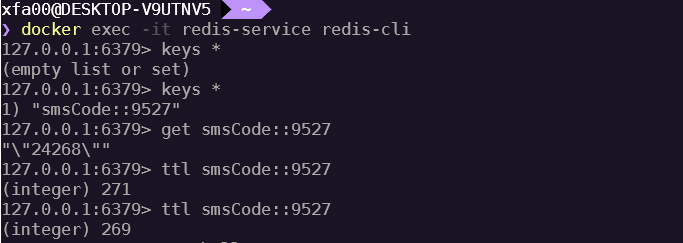
请注意,只有通过Spring Cache操作缓存才会达到上图的效果。命令行操作需要显式的声明指令。
7. 总结
最近事情比较多,所以难得抽出时间来搞一搞。如果你在实际开发中遇到需要整合的功能也可以告诉我,同时如果你发现整合中的一些缺陷或者Bug请提交ISSUE。多多关注:码农小胖哥,跟我一起整合开发脚手架。
关注公众号:Felordcn 获取更多资讯
从零搭建Spring Boot脚手架(6):整合Redis作为缓存的更多相关文章
- 从零搭建Spring Boot脚手架(7):整合OSS作为文件服务器
1. 前言 文件服务器是一个应用必要的组件之一.最早我搞过FTP,然后又用过FastDFS,接私活的时候我用MongoDB也凑合凑合.现如今时代不同了,开始流行起了OSS. Gitee: https: ...
- 从零搭建Spring Boot脚手架(1):开篇以及技术选型
1. 前言 目前Spring Boot已经成为主流的Java Web开发框架,熟练掌握Spring Boot并能够根据业务来定制Spring Boot成为一个Java开发者的必备技巧,但是总是零零碎碎 ...
- 从零搭建Spring Boot脚手架(2):增加通用的功能
1. 前言 今天开始搭建我们的kono Spring Boot脚手架,首先会集成Spring MVC并进行定制化以满足日常开发的需要,我们先做一些刚性的需求定制,后续再补充细节.如果你看了本文有什么问 ...
- 从零搭建Spring Boot脚手架(3):集成mybatis
1. 前言 今天继续搭建我们的kono Spring Boot脚手架,上一文集成了一些基础的功能,比如统一返回体.统一异常处理.快速类型转换.参数校验等常用必备功能,并编写了一些单元测试进行验证,今天 ...
- 从零搭建Spring Boot脚手架(4):手写Mybatis通用Mapper
1. 前言 今天继续搭建我们的kono Spring Boot脚手架,上一文把国内最流行的ORM框架Mybatis也集成了进去.但是很多时候我们希望有一些开箱即用的通用Mapper来简化我们的开发.我 ...
- 从零搭建Spring Boot脚手架(7):Elasticsearch应该独立服务
1. Spring Data Elasticsearch Spring Data Elasticsearch是Spring Data项目的子项目,提供了Elasticsearch与Spring的集成. ...
- 从零搭建Spring Boot脚手架(5):整合 Mybatis Plus
1. 前言 在上一文中我根据Mybatis中Mapper的生命周期手动实现了一个简单的通用Mapper功能,但是遗憾的是它缺乏实际生产的检验.因此我选择更加成熟的一个Mybatis开发增强包.它就是已 ...
- Spring Boot 2.x 整合 Redis最佳实践
一.前言 在前面的几篇文章中简单的总结了一下Redis相关的知识.本章主要讲解一下 Spring Boot 2.0 整合 Redis.Jedis 和 Lettuce 是 Java 操作 Redis 的 ...
- Spring Boot 2.x整合Redis
最近在学习Spring Boot 2.x整合Redis,在这里和大家分享一下,希望对大家有帮助. Redis是什么 Redis 是开源免费高性能的key-value数据库.有以下的优势(源于Redis ...
随机推荐
- 火狐浏览器如何使用二次验证码/虚拟MFA/两步验证/谷歌验证器?
一般点账户名——设置——安全设置中开通虚拟MFA两步验证 具体步骤见链接 火狐浏览器如何使用二次验证码/虚拟MFA/两步验证/谷歌验证器? 二次验证码小程序于谷歌身份验证器APP的优势 1.无需下载 ...
- 商品表(spu)、规格表(sku)设计
1. 先做一下专业术语解释:spu和sku 这里拿iphone6s举例,它身上有很多的属性和值, 比如: 毛重: 420.00 g 产地: 中国大陆 容量: 16G, 64G, 128G 颜色: 银, ...
- spring学习(五)详细介绍AOP
AOP称为面向切面编程,在程序开发中主要用来解决一些系统层面上的问题,比如日志,事务,权限等待 它利用一种称为"横切"的技术,剖解开封装的对象内部,并将那些影响了多个类的公共行为封 ...
- filter 函数基本写法
filter 返回一个符合要求的元素所构成的新列表 filter(函数,可迭代对象) map 和 filter 混合使用将 lst_num 中为偶数的取出来进行加2 和 乘2 操作 2020- ...
- Python Tuple(元组) tuple()方法
描述 Python 元组 tuple() 函数将列表转换为元组.每组词 www.cgewang.com 语法 tuple()方法语法: tuple( iterable ) 参数 iterable -- ...
- PHP array_multisort() 函数
实例 返回一个升序排列的数组: <?php$a=array("Dog","Cat","Horse","Bear", ...
- Python os.chflags() 方法
概述 os.chflags() 方法用于设置路径的标记为数字标记.多个标记可以使用 OR 来组合起来.高佣联盟 www.cgewang.com 只支持在 Unix 下使用. 语法 chflags()方 ...
- C/C++编程笔记:C++入门知识丨多态性和虚函数
本篇要学习的内容和知识结构概览 多态性 编译时的多态性称为静态联编. 当调用重载函数时, 在编译期就确定下来调用哪个函数. 运行时的多态性称为动态联编. 在运行时才能确定调用哪个函数, 由虚函数来支持 ...
- 5.19 省选模拟赛 T1 小B的棋盘 双指针 性质
LINK:小B的棋盘 考试的时候没有认真的思考 导致没做出来. 容易发现 当k>=n的时候存在无限解 其余都存在有限解 对于30分 容易想到暴力枚举 对称中心 然后 n^2判断. 对于前者 容易 ...
- Python格式化字符串(f,F,format,%)
# 格式化字符串: 在字符串前加上 f 或者 F 使用 {变量名} 的形式来使用变量名的值 year = 2020 event = 'Referendum' value = f'Results of ...