
Python数据结构——链表的实现
链表由一系列不必在内存中相连的结构构成,这些对象按线性顺序排序。每个结构含有表元素和指向后继元素的指针。最后一个单元的指针指向NULL。为了方便链表的删除与插入操作,可以为链表添加一个表头。
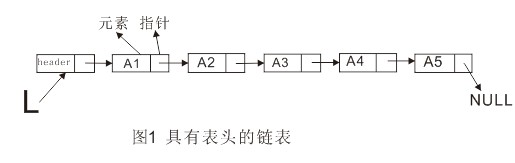
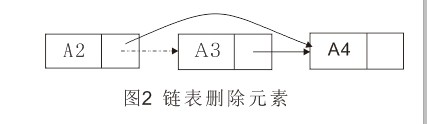
删除操作可以通过修改一个指针来实现。
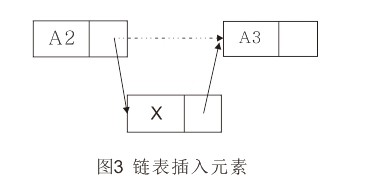
插入操作需要执行两次指针调整。
1. 单向链表的实现
1.1 Node实现
每个Node分为两部分。一部分含有链表的元素,可以称为数据域;另一部分为一指针,指向下一个Node。
class Node():

    __slots__=['_item','_next']    #限定Node实例的属性

    def __init__(self,item):

        self._item=item

        self._next=None     #Node的指针部分默认指向None

    def getItem(self):

        return self._item

    def getNext(self):

        return self._next

    def setItem(self,newitem):

        self._item=newitem

    def setNext(self,newnext):

        self._next=newnext
1.2 SinglelinkedList的实现
class SingleLinkedList():

    def __init__(self):

        self._head=None    #初始化链表为空表

        self._size=0
1.3 检测链表是否为空
def isEmpty(self):

    return self._head==None
1.4 add在链表前端添加元素
def add(self,item):

    temp=Node(item)

    temp.setNext(self._head)

    self._head=temp
1.5 append在链表尾部添加元素
def append(self,item):

    temp=Node(item)

    if self.isEmpty():

        self._head=temp   #若为空表,将添加的元素设为第一个元素

    else:

        current=self._head

        while current.getNext()!=None:

            current=current.getNext()   #遍历链表

        current.setNext(temp)   #此时current为链表最后的元素
1.6 search检索元素是否在链表中
def search(self,item):

    current=self._head

    founditem=False

    while current!=None and not founditem:

        if current.getItem()==item:

            founditem=True

        else:

            current=current.getNext()

    return founditem
1.7 index索引元素在链表中的位置
def index(self,item):

    current=self._head

    count=0

    found=None

    while current!=None and not found:

        count+=1

        if current.getItem()==item:

            found=True

        else:

            current=current.getNext()

    if found:

        return count

    else:

        raise ValueError,'%s is not in linkedlist'%item
1.8 remove删除链表中的某项元素
def remove(self,item):

    current=self._head

    pre=None

    while current!=None:

        if current.getItem()==item:

            if not pre:

                self._head=current.getNext()

            else:

                pre.setNext(current.getNext())

            break

        else:

            pre=current

            current=current.getNext()
1.9 insert链表中插入元素
 def insert(self,pos,item):

    if pos<=1:

        self.add(item)

    elif pos>self.size():

        self.append(item)

    else:

        temp=Node(item)

        count=1

        pre=None

        current=self._head

        while count<pos:

            count+=1

            pre=current

            current=current.getNext()

        pre.setNext(temp)

        temp.setNext(current)
全部代码
class Node():

    __slots__=['_item','_next']

    def __init__(self,item):

        self._item=item

        self._next=None

    def getItem(self):

        return self._item

    def getNext(self):

        return self._next

    def setItem(self,newitem):

        self._item=newitem

    def setNext(self,newnext):

        self._next=newnext

class SingleLinkedList():

    def __init__(self):

        self._head=None  #初始化为空链表

    def isEmpty(self):

        return self._head==None

    def size(self):

        current=self._head

        count=0

        while current!=None:

            count+=1

            current=current.getNext()

        return count

    def travel(self):

        current=self._head

        while current!=None:

            print current.getItem()

            current=current.getNext()

    def add(self,item):

        temp=Node(item)

        temp.setNext(self._head)

        self._head=temp

    def append(self,item):

        temp=Node(item)

        if self.isEmpty():

            self._head=temp   #若为空表,将添加的元素设为第一个元素

        else:

            current=self._head

            while current.getNext()!=None:

                current=current.getNext()   #遍历链表

            current.setNext(temp)   #此时current为链表最后的元素

    def search(self,item):

        current=self._head

        founditem=False

        while current!=None and not founditem:

            if current.getItem()==item:

                founditem=True

            else:

                current=current.getNext()

        return founditem

    def index(self,item):

        current=self._head

        count=0

        found=None

        while current!=None and not found:

            count+=1

            if current.getItem()==item:

                found=True

            else:

                current=current.getNext()

        if found:

            return count

        else:

            raise ValueError,'%s is not in linkedlist'%item

    def remove(self,item):

        current=self._head

        pre=None

        while current!=None:

            if current.getItem()==item:

                if not pre:

                    self._head=current.getNext()

                else:

                    pre.setNext(current.getNext())

                break

            else:

                pre=current

                current=current.getNext()

    def insert(self,pos,item):

        if pos<=1:

            self.add(item)

        elif pos>self.size():

            self.append(item)

        else:

            temp=Node(item)

            count=1

            pre=None

            current=self._head

            while count<pos:

                count+=1

                pre=current

                current=current.getNext()

            pre.setNext(temp)

            temp.setNext(current)

if __name__=='__main__':

    a=SingleLinkedList()

    for i in range(1,10):

        a.append(i)

    print a.size()

    a.travel()

    print a.search(6)

    print a.index(5)

    a.remove(4)

    a.travel()

    a.insert(4,100)

    a.travel()
Python数据结构——链表的实现的更多相关文章
- Python—数据结构——链表
数据结构——链表 一.简介 链表是一种物理存储上非连续,数据元素的逻辑顺序通过链表中的指针链接次序,实现的一种线性存储结构.由一系列节点组成的元素集合.每个节点包含两部分,数据域item和指向下一个节 ...
- Python 数据结构 链表
什么是时间复杂度 时间频度:一个算法执行所耗费的时间,从理论上是不能算出来的,必须上机运行测试才知道.但是我们不可能也没有必要对每一个算法都进行上机测试,只需要知道那个算法花费的时间多,那个算法花费得 ...
- python数据结构链表之单向链表
单向链表 单向链表也叫单链表,是链表中最简单的一种形式,它的每个节点包含两个域,一个信息域(元素域)和一个链接域.这个链接指向链表中的下一个节点,而最后一个节点的链接域则指向一个空值. 表元素域ele ...
- Python数据结构--链表
class Node(): def __init__(self, dataval=None): self.dataval = dataval self.nextval = None class SLi ...
- python数据结构与算法——链表
具体的数据结构可以参考下面的这两篇博客: python 数据结构之单链表的实现: http://www.cnblogs.com/yupeng/p/3413763.html python 数据结构之双向 ...
- Python数据结构之单链表
Python数据结构之单链表 单链表有后继结点,无前继结点. 以下实现: 创建单链表 打印单链表 获取单链表的长度 判断单链表是否为空 在单链表后插入数据 获取单链表指定位置的数据 获取单链表指定元素 ...
- python数据结构之链表(一)
数据结构是计算机科学必须掌握的一门学问,之前很多的教材都是用C语言实现链表,因为c有指针,可以很方便的控制内存,很方便就实现链表,其他的语言,则没那么方便,有很多都是用模拟链表,不过这次,我不是用模拟 ...
- python数据结构与算法
最近忙着准备各种笔试的东西,主要看什么数据结构啊,算法啦,balahbalah啊,以前一直就没看过这些,就挑了本简单的<啊哈算法>入门,不过里面的数据结构和算法都是用C语言写的,而自己对p ...
- 算法之python创建链表实现cache
算法之python创建链表实现cache 本节内容 问题由来 解决思路 实现代码 总结 1. 问题由来 问题起因于朋友的一次面试题,面试公司直接给出两道题,要求四十八小时之内做出来,语言不限,做出来之 ...
随机推荐
- Spark installation for windows
download spark from spark.apache.org download hadoop from hadoop.apache.org download hadoop.dll and ...
- Scoket
1.Socket 几个常用的名词 IPC—>Inter Process Communication,进程间通信 socket —> 套接字 TCP—>Transmission Con ...
- Daily Query
-- GI Report SELECT A.PLPKLNBR, D.DNDNHNBR, F.DNSAPCPO, C.PPPRODTE, A.GNUPDDTE GI_DATE, B.INHLDCDE, ...
- CMP指令(转)
刚刚看到了cmp指令,一开始有点晕.后来上网找了些资料,终于看明白了,为了方便初学者,我就简单写下我的思路吧.高手绕过,谢谢! cmp(compare)指令进行比较两个操作数的大小 例:cmp opr ...
- latex之设置字体大小
\tiny\scriptsize\footnotesize\small\normalsize\large\Large\LARGE\huge\Huge
- asp.net MVC 如何隐藏 Response Header 版本号
根据借楼最少资源原则,有时候MVC需要隐藏自己的版本号,其实这里也是比较简单的,只需要在Global.ascx 的Application_Start()中添加一行代码既可 添加为 MVCHandle ...
- Oracle 学习笔记2:几个入门常用命令
oracle提供的交互方式有两种:sqlplus(命令行) sqlplusw(图形界面) 进入sqlplus方式:cmd中输入sqlplus 进入sqlplusw方式:cmd中输入sqlplusw 更 ...
- Part 18 Indexes in sql server
Indexes in sql server Clustered and nonclustered indexes in sql server Unique and Non Unique Indexes ...
- SQL备份(全)
====================================================================== SQL备份 ======================= ...
- 《iOS开发指南》要改iOS8版本了,听听您的意见?
<iOS开发指南>要改iOS8版本了,听听您的意见?参加问卷同学均可获得智捷课堂50元代金卡一张,同时抽取一名同学赠送即将出版的基于iOS8的<iOS开发指南>一本,欢迎大家填 ...