
Ethical Hacking - NETWORK PENETRATION TESTING(11)
Securing your Network From the Above Attacks.
Now that we know how to test the security of all known wireless encryption(WEP/WPA/WPA2), it is relatively easy to secure our networks against these attacks as we know all the weaknesses that can be used by hackers to crack these encryptions.
So let us have a look at each of these encryptions one by one:
1. WEP: WEP is old encryption, and it's really weak, as there are a number of methods that can be used to crack this encryption regardless of the strength of the password and even if there is nobody connected to the network. These attacks are possible because of the way WEP works.
2.WPA/WPA2: WPA and WPA2 are very similar, the only difference between them is the algorithm used to encrypt the information but both encryptions work in the same way. WPA/WPA2 can be cracked in two ways:
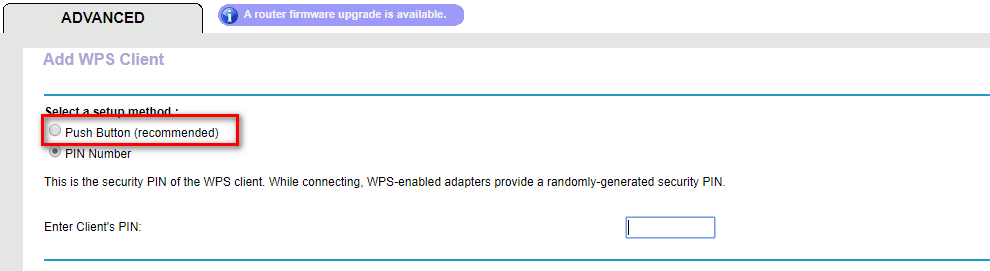
(1) If the WPS feature is enabled then there is a high chance of obtaining the key regardless of its complexity, this can be done by exploiting a weakness in the WPS feature. WPS is used to allow users to connect to their wireless network without entering the key, this is done by pressing a WPS button on both the router and the device that they want to connect, the authentication works using an eight-digit pin, hackers can bruce this pin in relatively short time(in an average of 10 hours), once they get the right pin they can use a tool called reaver to reverse engineer the pin and get the key, this is all possible due to the fact that the WPS feature uses an easy pin(only 8 characters and only contains digits), so its not a weakness in WPA/WPA2, its a weakness in a feature that can be enabled on routers that use WPA/WPA2 which can be exploited to get the actual WPA/WPA2 key.
(2) If WPS is not enabled, then the only way to crack WPA/WPA2 is using a dictionary attack, in this attack a list of passwords(dictionary) is compared against a file (handshake file) to check if any of the passwords is the actual key for the network, so if the password does not exist in the wordlist then the attacker will not be able to find the password.
Conclusion:
1. Do not use WEP encryption, as we have seen how easy it is to crack it regardless of the complexity of the password and even if there is nobody connected to the network.
2. Use WPA2 with a complex password, make sure the password contains small letters, capital letters, symbols and numbers and;
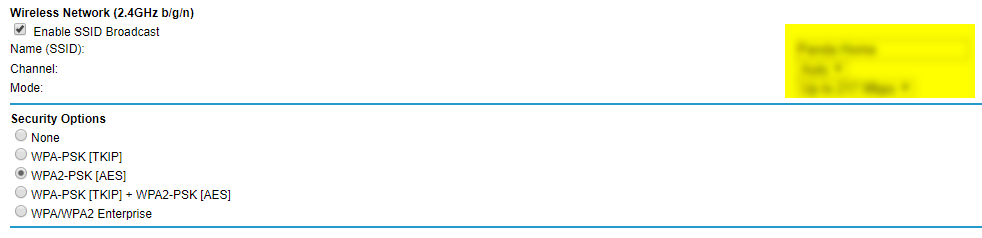
3. Ensure that the WPS feature is disabled as it can be used to crack your complex WPA2 key by brute-forcing the easy WPS pin.
Ethical Hacking - NETWORK PENETRATION TESTING(11)的更多相关文章
- Ethical Hacking - NETWORK PENETRATION TESTING(15)
ARP Poisoning - arpspoof Arpspoof is a tool part of a suit called dsniff, which contains a number of ...
- Ethical Hacking - NETWORK PENETRATION TESTING(10)
WPA Craking WPA was designed to address the issues in WEP and provide better encryption. The main is ...
- Ethical Hacking - NETWORK PENETRATION TESTING(22)
MITM - Wireshark WIreshark is a network protocol analyser that is designed to help network administa ...
- Ethical Hacking - NETWORK PENETRATION TESTING(14)
MITM - ARP Poisoning Theory Man In The Middle Attacks - ARP Poisoning This is one of the most danger ...
- Ethical Hacking - NETWORK PENETRATION TESTING(13)
Nmap Nmap is a network discovery tool that can be used to gather detailed information about any clie ...
- Ethical Hacking - NETWORK PENETRATION TESTING(12)
Post Connection Attacks Sophisticated attacks that can be used after connecting to the target AP. Ga ...
- Ethical Hacking - NETWORK PENETRATION TESTING(8)
WEP Cracking Basic case Run airdump-ng to log all traffic from the target network. airodump-ng --cha ...
- Ethical Hacking - NETWORK PENETRATION TESTING(7)
Gaining Access to encrypted networks Three main encryption types: 1. WEP 2.WPA 3.WPA2 WEP Cracking W ...
- Ethical Hacking - NETWORK PENETRATION TESTING(5)
Deauthentication Attacks Theory This attack is used to disconnect any device from any network within ...
随机推荐
- 在windows上安装docker
开启Hyper-V 添加方法非常简单,把以下内容保存为.cmd文件,然后以管理员身份打开这个文件.提示重启时保存好文件重启吧,重启完成就能使用功能完整的Hyper-V了. pushd " ...
- web api(基于NFine框架) 中接口跳转数据格式错误解决方案
using NFine.Code; using NFine.Domain; using System.Web.Http; using Newtonsoft.Json; namespace Api.Co ...
- vue通过属性绑定为元素设置class样式
第一种方式,直接传递一个数组,注意使用v-bind绑定 <h1 :class="['red','size'">这是一个h1文本</h1&g ...
- JavaWeb网上图书商城完整项目--23.注册页面之html实现
我们来分析下这个页面的代码如何实现: 我们来分下下层次结构: 1.首先最外层是一个大的div,然后又包括两个小的div,第一个div中包括一个span,第二个div是一个table表 我们来看程序的代 ...
- java 中的线程池
1.实现下面的一个需求,控制一个执行函数只能被五个线程访问 package www.weiyuan.test; public class Test { public static void main( ...
- java scoket Blocking 阻塞IO socket通信四
记住NIO在jdk1.7版本之前是同步非阻塞的,以前的inputsream是同步阻塞的,上面学习完成了Buffer现在我们来学习channel channel书双向的,以前阻塞的io的inputstr ...
- 入门大数据---Spark_Streaming基本操作
一.案例引入 这里先引入一个基本的案例来演示流的创建:获取指定端口上的数据并进行词频统计.项目依赖和代码实现如下: <dependency> <groupId>org.apac ...
- 【草稿】自定义ASP.NET MVC Html辅助方法
https://www.cnblogs.com/myshell/archive/2010/05/09/1731269.html 在ASP.NET MVC中,Html辅助方法给我们程序员带来很多方便,其 ...
- 通用Mapper与分页插件的集成
SpringBoot 是为了简化 Spring 应用的创建.运行.调试.部署等一系列问题而诞生的产物,自动装配的特性让我们可以更好的关注业务本身而不是外部的XML配置,我们只需遵循规范,引入相关的依赖 ...
- Jmeter系列(37)- 详解 ForEach控制器
如果你想从头学习Jmeter,可以看看这个系列的文章哦 https://www.cnblogs.com/poloyy/category/1746599.html 前言 ForEach 控制器一般和用户 ...