
Ethical Hacking - NETWORK PENETRATION TESTING(11)
Securing your Network From the Above Attacks.
Now that we know how to test the security of all known wireless encryption(WEP/WPA/WPA2), it is relatively easy to secure our networks against these attacks as we know all the weaknesses that can be used by hackers to crack these encryptions.
So let us have a look at each of these encryptions one by one:
1. WEP: WEP is old encryption, and it's really weak, as there are a number of methods that can be used to crack this encryption regardless of the strength of the password and even if there is nobody connected to the network. These attacks are possible because of the way WEP works.
2.WPA/WPA2: WPA and WPA2 are very similar, the only difference between them is the algorithm used to encrypt the information but both encryptions work in the same way. WPA/WPA2 can be cracked in two ways:
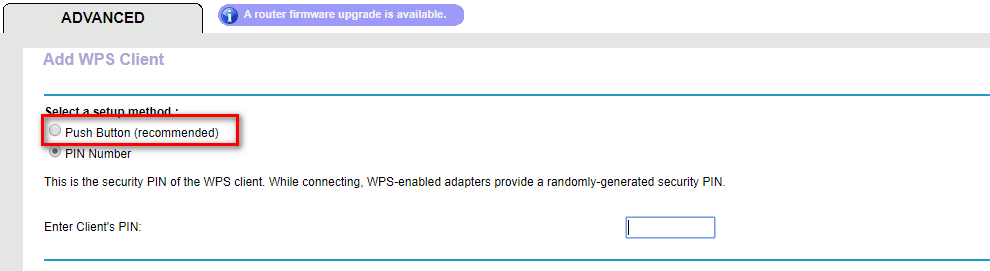
(1) If the WPS feature is enabled then there is a high chance of obtaining the key regardless of its complexity, this can be done by exploiting a weakness in the WPS feature. WPS is used to allow users to connect to their wireless network without entering the key, this is done by pressing a WPS button on both the router and the device that they want to connect, the authentication works using an eight-digit pin, hackers can bruce this pin in relatively short time(in an average of 10 hours), once they get the right pin they can use a tool called reaver to reverse engineer the pin and get the key, this is all possible due to the fact that the WPS feature uses an easy pin(only 8 characters and only contains digits), so its not a weakness in WPA/WPA2, its a weakness in a feature that can be enabled on routers that use WPA/WPA2 which can be exploited to get the actual WPA/WPA2 key.
(2) If WPS is not enabled, then the only way to crack WPA/WPA2 is using a dictionary attack, in this attack a list of passwords(dictionary) is compared against a file (handshake file) to check if any of the passwords is the actual key for the network, so if the password does not exist in the wordlist then the attacker will not be able to find the password.
Conclusion:
1. Do not use WEP encryption, as we have seen how easy it is to crack it regardless of the complexity of the password and even if there is nobody connected to the network.
2. Use WPA2 with a complex password, make sure the password contains small letters, capital letters, symbols and numbers and;
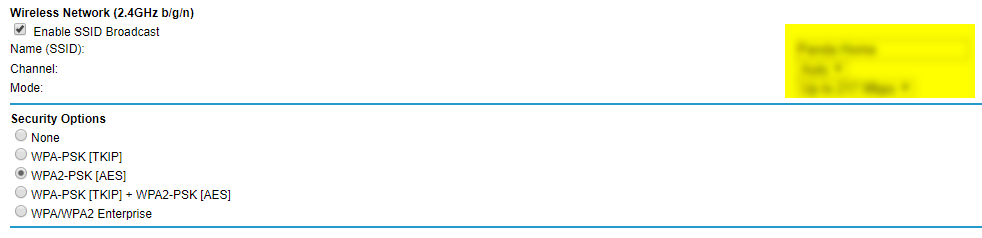
3. Ensure that the WPS feature is disabled as it can be used to crack your complex WPA2 key by brute-forcing the easy WPS pin.
Ethical Hacking - NETWORK PENETRATION TESTING(11)的更多相关文章
- Ethical Hacking - NETWORK PENETRATION TESTING(15)
ARP Poisoning - arpspoof Arpspoof is a tool part of a suit called dsniff, which contains a number of ...
- Ethical Hacking - NETWORK PENETRATION TESTING(10)
WPA Craking WPA was designed to address the issues in WEP and provide better encryption. The main is ...
- Ethical Hacking - NETWORK PENETRATION TESTING(22)
MITM - Wireshark WIreshark is a network protocol analyser that is designed to help network administa ...
- Ethical Hacking - NETWORK PENETRATION TESTING(14)
MITM - ARP Poisoning Theory Man In The Middle Attacks - ARP Poisoning This is one of the most danger ...
- Ethical Hacking - NETWORK PENETRATION TESTING(13)
Nmap Nmap is a network discovery tool that can be used to gather detailed information about any clie ...
- Ethical Hacking - NETWORK PENETRATION TESTING(12)
Post Connection Attacks Sophisticated attacks that can be used after connecting to the target AP. Ga ...
- Ethical Hacking - NETWORK PENETRATION TESTING(8)
WEP Cracking Basic case Run airdump-ng to log all traffic from the target network. airodump-ng --cha ...
- Ethical Hacking - NETWORK PENETRATION TESTING(7)
Gaining Access to encrypted networks Three main encryption types: 1. WEP 2.WPA 3.WPA2 WEP Cracking W ...
- Ethical Hacking - NETWORK PENETRATION TESTING(5)
Deauthentication Attacks Theory This attack is used to disconnect any device from any network within ...
随机推荐
- rust 学习之旅一, rust编程环境相关
Mac rust环境 rust安装: curl --proto '=https' --tlsv1.2 -sSf https://sh.rustup.rs | sh rust更新: rustup upd ...
- 12.实战交付一套dubbo微服务到k8s集群(5)之交付dubbo-monitor到K8S集群
dubbo-monitor官方源码地址:https://github.com/Jeromefromcn/dubbo-monitor 1.下载dubbo-monitor源码并解压 [root@hdss7 ...
- Charles 功能详解
Charles的功能有? 1 抓取http和https 网络封包(抓包) 2 Charles 的断点请求 通过断点修改参数 在指定接口打上断点 右键点击接口选择 breakpoints 然后 导航栏 ...
- Appium 概括与环境安装
Appium 是什么, 有什么用 Appium 用途和特点 appium 是一个移动 app 自动化工具 手机APP自动化有什么用? 自动化完成一些重要性的任务 比如微信客服机器人 爬虫 就是通过自动 ...
- C#数据结构与算法系列(十二):递归(Recursion)
1.介绍 简单的说:递归就是方法自己调用自己,每次调用时传入不同的变量,递归有助于编程者解决复杂的问题,同时也让代码变得整洁 2.规则 执行一个方法时,就创建一个新的受保护的独立空间(栈空间) 方法的 ...
- Perl入门(四)Perl的正则表达式
正则表达式是Perl语言的特色,基本的语法不是很难,但是编写一个符合需求.高效的正则表达式,还是有一些挑战的. Perl的三种匹配模式 1.查找 语法:m/正则表达式内容/; 作用:查找匹配内容中是否 ...
- CentOS 安装 VMware Tools 详细方法
点击虚拟机,选择安装vmware Tools工具 弹出上面的界面,右键选择奖上面的vmwaraTools.tar.gz解压到你要解压的目录下面 记得一定要使用root用户,进入到解压的目录 然后执行 ...
- express高效入门教程(3)
3.路由 路由到底是什么呢?不管官方定义到底是什么,咱通俗的说就是根据不同的url,执行不同的代码,类似于编程语言中的分支结构 3.1.express规划路由 稍微复杂点的应用,通常都是分模块进行的, ...
- 玩转SpringBoot之捣鼓 Redis
我们都知道,把首页数据放到Redis里,能够加快首页数据的访问速度.但是我们要如何准确又快速的将 Redis 整合到自己的 SpringBoot2.x 项目中呢?今天阿淼就带大家爬一爬其中的门门道道. ...
- int与bigdecimal的相互转换
int转bigdecimal BigDecimal number = new BigDecimal(0); int value=score; number=BigDecimal.valueOf((in ...