
【Azure Developer】使用Java代码启动Azure VM(虚拟机)
问题描述
在使用Java的启动Azure VM的过程中,遇见了com.azure.core.management.exception.ManagementException: Status code 404错误,纠起原因就是订阅无法发现。详细的错误为:
|
Selected subscription: xxxxxxxx-xxxx-xxxx-xxxx-xxxxxxxxxxxx com.azure.core.management.exception.ManagementException: Status code 404, "{"error":{"code":"SubscriptionNotFound","message":"The subscription 'xxxxxxxx-xxxx-xxxx-xxxx-xxxxxxxxxxxx' could not be found."}}": The subscription 'xxxxxxxx-xxxx-xxxx-xxxx-xxxxxxxxxxxx' could not be found. sun.reflect.NativeConstructorAccessorImpl.newInstance(NativeConstructorAccessorImpl.java:62) |
以上问题主要时在使用Java代码访问Azure资源的时候出现的权限问题有关。所以解决的办法是需要先让应用程序有权限访问到Azure VM资源,这里使用的是AAD认证。在代码中使用ApplicationTokenCredentials方式认证。
AzureTokenCredentials credentials = new ApplicationTokenCredentials("clientid", "tenantid", "clientsecret", AzureEnvironment.AZURE_CHINA);

Azure azure = Azure.authenticate(credentials).withSubscription("subid");
VirtualMachine testvm = azure.virtualMachines().getById("/subscriptions/<your subscription id>/resourceGroups/<group name>/providers/Microsoft.Compute/virtualMachines/<vm name>");
- 通过AAD中注册应用的client id, tenantid,secret获取token认证
- 输入订阅号登录到Azure
- 在Azure VM门户中获取到该VM的属性ID
(获取以上值的方式见附录一)
完整的代码内容
package org.example;

import com.microsoft.azure.AzureEnvironment;

import com.microsoft.azure.credentials.ApplicationTokenCredentials;

import com.microsoft.azure.credentials.AzureTokenCredentials;

import com.microsoft.azure.management.Azure;

import com.microsoft.azure.management.compute.*;

/**s

* Hello world!

*

*/

public class App

{

    public static void main( String[] args )

    {

        AzureTokenCredentials credentials = new ApplicationTokenCredentials("clientid", "tenantid", "clientsecret", AzureEnvironment.AZURE_CHINA);

        Azure azure=null;

        azure=Azure.authenticate(credentials).withSubscription("subid");

        VirtualMachine testvm = azure.virtualMachines().getById("vmresourceid");

        testvm.start();

        System.out.println( "Hello World!" );

    }

}
POM.XML文件内容(使用的依赖包:com.microsoft.azure):
<?xml version="1.0" encoding="UTF-8"?>

<project xmlns="http://maven.apache.org/POM/4.0.0" xmlns:xsi="http://www.w3.org/2001/XMLSchema-instance"

  xsi:schemaLocation="http://maven.apache.org/POM/4.0.0 http://maven.apache.org/xsd/maven-4.0.0.xsd">

  <modelVersion>4.0.0</modelVersion>

  <groupId>org.example</groupId>

  <artifactId>getvm</artifactId>

  <version>1.0-SNAPSHOT</version>

  <name>getvm</name>

  <!-- FIXME change it to the project's website -->

  <url>http://www.example.com</url>

  <properties>

    <project.build.sourceEncoding>UTF-8</project.build.sourceEncoding>

    <maven.compiler.source>1.7</maven.compiler.source>

    <maven.compiler.target>1.7</maven.compiler.target>

  </properties>

  <dependencies>

    <dependency>

      <groupId>junit</groupId>

      <artifactId>junit</artifactId>

      <version>4.11</version>

      <scope>test</scope>

    </dependency>

    <dependency>

      <groupId>com.microsoft.azure</groupId>

      <artifactId>azure</artifactId>

      <version>1.37.1</version>

    </dependency>

  </dependencies>

  <build>

    <pluginManagement><!-- lock down plugins versions to avoid using Maven defaults (may be moved to parent pom) -->

      <plugins>

        <!-- clean lifecycle, see https://maven.apache.org/ref/current/maven-core/lifecycles.html#clean_Lifecycle -->

        <plugin>

          <artifactId>maven-clean-plugin</artifactId>

          <version>3.1.0</version>

        </plugin>

        <!-- default lifecycle, jar packaging: see https://maven.apache.org/ref/current/maven-core/default-bindings.html#Plugin_bindings_for_jar_packaging -->

        <plugin>

          <artifactId>maven-resources-plugin</artifactId>

          <version>3.0.2</version>

        </plugin>

        <plugin>

          <artifactId>maven-compiler-plugin</artifactId>

          <version>3.8.0</version>

        </plugin>

        <plugin>

          <artifactId>maven-surefire-plugin</artifactId>

          <version>2.22.1</version>

        </plugin>

        <plugin>

          <artifactId>maven-jar-plugin</artifactId>

          <version>3.0.2</version>

        </plugin>

        <plugin>

          <artifactId>maven-install-plugin</artifactId>

          <version>2.5.2</version>

        </plugin>

        <plugin>

          <artifactId>maven-deploy-plugin</artifactId>

          <version>2.8.2</version>

        </plugin>

        <!-- site lifecycle, see https://maven.apache.org/ref/current/maven-core/lifecycles.html#site_Lifecycle -->

        <plugin>

          <artifactId>maven-site-plugin</artifactId>

          <version>3.7.1</version>

        </plugin>

        <plugin>

          <artifactId>maven-project-info-reports-plugin</artifactId>

          <version>3.0.0</version>

        </plugin>

      </plugins>

    </pluginManagement>

  </build>

</project>
附录一:如何获取代码中需要的配置值:
一:获取 AAD中应用的Client ID, Tenant ID
- 登录Azure 门户,进入AAD页面(https://portal.azure.cn/#blade/Microsoft_AAD_IAM/ActiveDirectoryMenuBlade/Overview)
- 选择“App registrations”,如已经有App,则直接选中即可进入下一步。否则点击“Add Application”按钮,注册一个新应用,名称唯一即可。如mykeyvaultapp01,,
- 创建完成后,进入应用Overview页面,复制保存(Client ID, Tenant ID, Object ID)值,以备后续使用。

二:获取AAD中应用的Secret
- 在AAD应用页面,进入“证书和密码”页面,点击“新客户端密码”按钮,添加新的Secret(因密码值只能在最开始创建时可见,所以必须在离开页面前复制它)

三:获取Azure VM的Resource ID
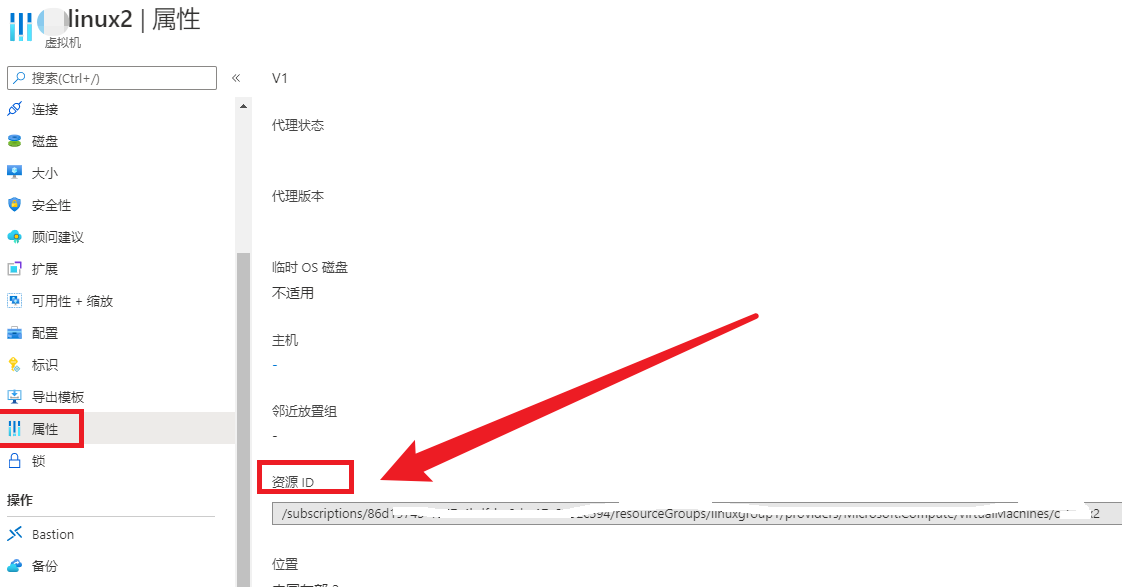
参考文档
使用 Java 创建和管理 Azure 中的 Windows VM: https://docs.azure.cn/zh-cn/virtual-machines/windows/java
【Azure Developer】使用Java代码启动Azure VM(虚拟机)的更多相关文章
- 【Azure Developer】Python代码通过AAD认证访问微软Azure密钥保管库(Azure Key Vault)中机密信息(Secret)
关键字说明 什么是 Azure Active Directory?Azure Active Directory(Azure AD, AAD) 是 Microsoft 的基于云的标识和访问管理服务,可帮 ...
- 【Azure 存储服务】代码版 Azure Storage Blob 生成 SAS (Shared Access Signature: 共享访问签名)
问题描述 在使用Azure存储服务,为了有效的保护Storage的Access Keys.可以使用另一种授权方式访问资源(Shared Access Signature: 共享访问签名), 它的好处可 ...
- DataX通过纯Java代码启动
DataX是阿里巴巴团队开发的一个很好开源项目,但是他们对如何使用只提供了python命令启动方式,这种方式对于只是想简单的用下DataX的人来说很是友好,仅仅需要几行代码就可以运行,但是如果你需要在 ...
- 如何使用java代码启动tomcat和打开浏览器
1.用于代码启动tomcat,也可以用代码运行电脑应用程序 public static void main(String[] args) { /* new MyThread().start(); ne ...
- 【Azure Developer】使用Postman获取Azure AD中注册应用程序的授权Token,及为Azure REST API设置Authorization
Azure Active Directory (Azure AD) is Microsoft's cloud-based identity and access management service, ...
- Java 18 新特性:使用Java代码启动jwebserver
前几天分享了Java 18 新特性:简单Web服务器的jwebserver命令行功能. 今天换一种方式,使用Java代码来实现一个静态资源服务器. 详细步骤我录了个视频放到B站了,感兴趣的小伙伴可以点 ...
- Java代码启动/关闭进程
ProcessBuilder builder = new ProcessBuilder(命令,参数,参数...); Process process = builder.start(); br = ne ...
- 【Azure Developer】调用SDK的runPowerShellScript方法,在Azure VM中执行PowerShell脚本示例
当需要通过代码的方式执行PowerShell脚本时,可以参考以下的示例. Azure SDK中提供了两个方法来执行PowerShell脚本 (SDK Source Code: https://gith ...
- 【Azure Developer】解决Azure Key Vault管理Storage的示例代码在中国区Azure遇见的各种认证/授权问题 - C# Example Code
问题描述 使用Azure密钥保管库(Key Vault)来托管存储账号(Storage Account)密钥的示例中,从Github中下载的示例代码在中国区Azure运行时候会遇见各种认证和授权问题, ...
随机推荐
- (嘎吧)--微软的 C# , IL,CLR, Cup 之间关系以及扩展联想
还是啰嗦下:文章短并不代表文章质量不高.我最喜欢用干货性的以及总结性的语言 让大家明白文章要表达的内容.这一切,都是来自多年对.NET 的一些领悟以及一些理解. 不长篇大论,一本人也没时间,二本人也不 ...
- 如何将IHttpHandler和IHttpModule迁移到ASP.NET Core中间件
ASP.NET Core是一个跨平台.开源的框架,用于在Windows.Mac和Linux操作系统(OS)上开发web应用程序.你可以使用以下任何IDE开发ASP.NET Core 应用程序: Vis ...
- C++ Primer Plus 第一章 预备知识
C++ Primer Plus 第一章 预备知识 知识点梳理 本章主要讲述了C++的由来,讨论了面向过程语言与面向对象语言的区别,介绍了ANSI/ISO制定的C++标准,阐述了在Windows.Mac ...
- Qt update刷新之源码分析(二)
大家好,我是IT文艺男,来自一线大厂的一线程序员 上次视频给大家从源码层面剖析了Qt update刷新机制的异步事件投递过程,这次视频主要从源码层面剖析Qt刷新事件(QEvent::UpdateReq ...
- [译]我是如何将GTA在线模式的加载时间缩短70%的
[译]我是如何将GTA在线模式的加载时间缩短70%的 译注: 最近在网上发现了一篇有意思的文章, 一个国外大神受不了GTA5在线模式的加载时间, 一怒之下反汇编了GTA5的源码, 并最终发现了问题的原 ...
- 【产品设计】linux产品设计总结笔记
Linux 预研产品设计 产品的目的: 1.综合集团内部重复性开发的工作,将多种操作系统统一到科东统一负责 2.明确技术在哪些设备上是可行的,再去拓展.一开始不做平台化产品 3.软件规划需要结合硬 ...
- 使用Spark加载数据到SQL Server列存储表
原文地址https://devblogs.microsoft.com/azure-sql/partitioning-on-spark-fast-loading-clustered-columnstor ...
- Javascript学习,DOM对象,方法的使用
JavaScript: ECMAScript: BOM: DOM: 事件 DOM的简单学习 功能:控制html文档内容 代码:获取页面标签(元素)对象和Element document.getElem ...
- strick-footer 粘边布局
当网页缩小, 缩放到一定高度时(这个高度就是页面内容高度)footer的页尾自动消失,这个就叫做粘边布局 strick-footer 粘边布局基本思路: 主体{ height:100%; } 内容体{ ...
- 1.4 数据库和常用SQL语句(正文)——MySQL数据库命令和SQL语句
前面我们已经讲述了,登录时,我们使用mysql –u root –p命令进行,此时如果设置了密码,则需要输入密码. 输入密码后即进入MySQL的操作界面,此时,命令行窗体左侧显示"mysql ...