
Gin_Cookie
1. Cookie
- HTTP是无状态协议,服务器不能记录浏览器的访问状态,也就是说服务器不能区分两次请求是否由同一个客户端发出
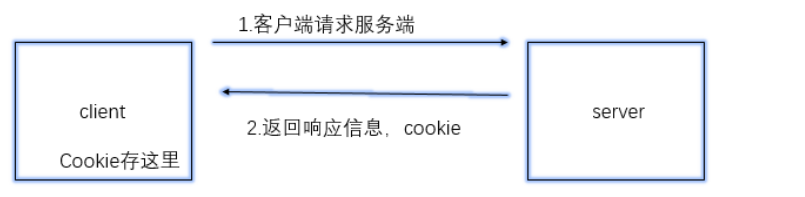
- Cookie就是解决HTTP协议无状态的方案之一,中文是小甜饼的意思
- Cookie实际上就是服务器保存在浏览器上的一段信息。浏览器有了Cookie之后,每次向服务器发送请求时都会同时将该信息发送给服务器,服务器收到请求后,就可以根据该信息处理请求
- Cookie由服务器创建,并发送给浏览器,最终由浏览器保存
2. Cookie的用途
- 保持用户登录状态
- 京东购物车
3. cookie的使用
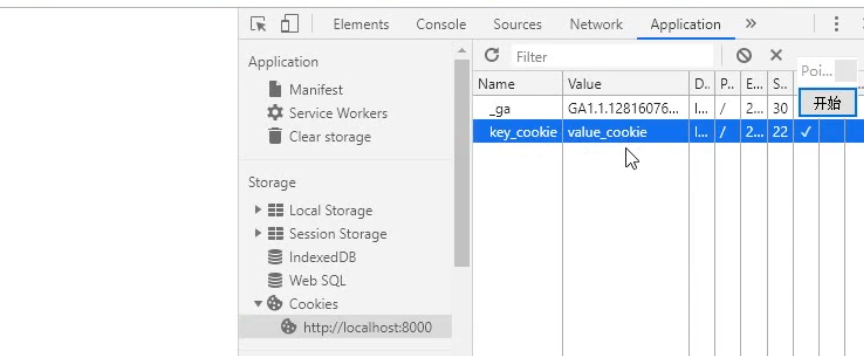
- 测试服务端发送cookie给客户端,客户端请求时携带cookie
package main

import (

	"github.com/gin-gonic/gin"

	"fmt"

)

func main() {

	// 创建路由

	r := gin.Default()

	// 服务端要给客户端cookie

	r.GET("cookie", func(c *gin.Context) {

		// 获取客户端是否携带cookie

		cookie, err := c.Cookie("key_cookie") //c.Request.Cookie也行

		if err != nil {

			cookie = "NotSet"

			// 给客户端设置cookie

				// maxAge 单位为秒

				// path cookie所在目录

				// domain 域名

				// secure 是否智能通过https访问

				// httpOnly 是否允许别人通过js获取自己的cookie

			c.SetCookie("key_cookie", "value_cookie", 60, "/",

				"localhost", false, true)

		}

		fmt.Printf("cookie的值是: %s\n", cookie)

	})

	r.Run(":8000")

}
3.1 使用
package main

import (

   "github.com/gin-gonic/gin"

   "net/http"

)

func AuthMiddleWare() gin.HandlerFunc {

   return func(c *gin.Context) {

      // 获取客户端cookie并校验

      if cookie, err := c.Cookie("abc"); err == nil {

         if cookie == "123" {

            c.Next()

            return

         }

      }

      // 返回错误

      c.JSON(http.StatusUnauthorized, gin.H{"error": "err"})

      // 若验证不通过,不再调用后续的函数处理

      c.Abort()

      return

   }

}

func main() {

   // 创建路由

   r := gin.Default()

   r.GET("/login", func(c *gin.Context) {

      // 设置cookie

      c.SetCookie("abc", "123", 60, "/",

         "localhost", false, true)

      // 返回信息

      c.String(200, "Login success!")

   })

   r.GET("/home", AuthMiddleWare(), func(c *gin.Context) {

      c.JSON(200, gin.H{"data": "home"})

   })

   r.Run(":8000")

}
3.2 Cookie的缺点
不安全,明文
增加带宽消耗
可以被禁用
cookie有上限
4. Session
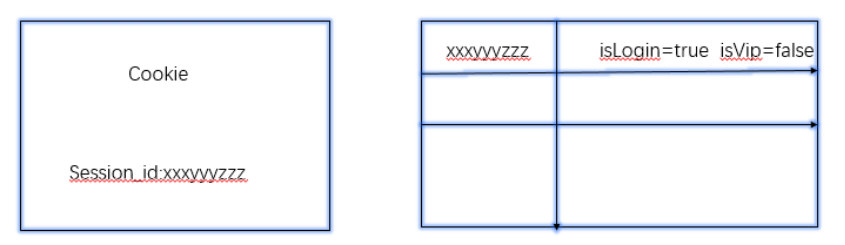
- Session可以弥补Cookie的不足,Session必须依赖于Cookie才能使用,生成一个SessionId放在Cookie里传给客户端就可以
4.1 session中间件

session.go
package session

type Session interface {

   Set(key string, value interface{}) error

   Get(key string) (interface{}, error)

   Del(key string) error

   Save() error

}
session_mgr.go
package session

// 定义管理者,管理所有session

type SessionMgr interface {

   // 初始化

   Init(addr string, options ...string) (err error)

   CreateSession() (session Session, err error)

   Get(sessionId string) (session Session, err error)

}
memory.go
package session

import (

   "sync"

   "errors"

)

// 对象

//    MemorySeesion设计:

//    定义MemorySeesion对象(字段:sessionId、存kv的map,读写锁)

//    构造函数,为了获取对象

//    Set()

//    Get()

//    Del()

//    Save()

type MemorySession struct {

   sessionId string

   // 存kv

   data   map[string]interface{}

   rwlock sync.RWMutex

}

// 构造函数

func NewMemorySession(id string) *MemorySession {

   s := &MemorySession{

      sessionId: id,

      data:      make(map[string]interface{}, 16),

   }

   return s

}

func (m *MemorySession) Set(key string, value interface{}) (err error) {

   // 加锁

   m.rwlock.Lock()

   defer m.rwlock.Unlock()

   // 设置值

   m.data[key] = value

   return

}

func (m *MemorySession) Get(key string) (value interface{}, err error) {

   m.rwlock.Lock()

   defer m.rwlock.Unlock()

   value, ok := m.data[key]

   if !ok {

      err = errors.New("key not exists in session")

      return

   }

   return

}

func (m *MemorySession) Del(key string) (err error) {

   m.rwlock.Lock()

   defer m.rwlock.Unlock()

   delete(m.data, key)

   return

}

func (m *MemorySession) Save(key string) (err error) {

   return

}
memory_session_mgr.go
package session import(
"sync" uuid "github.com/satori/go.uuid"
) // MemorySeesionMgr设计:
// 定义MemorySeesionMgr对象(字段:存放所有session的map,读写锁)
// 构造函数
// Init()
// CreateSeesion()
// GetSession() // 定义对象
type MemorySeesionMgr struct {
sessionMap map[string]Session
rwlock sync.RWMutex
} // 构造函数
func NewMemorySeesionMgr() SessionMgr {
sr := &MemorySeesionMgr{
sessionMap: make(map[string]Session, 1024),
}
return sr
} func (s *MemorySeesionMgr) Init(addr string, options ...string) (err error) {
return
} func (s *MemorySeesionMgr)CreateSession()(session Session,err error) {
s.rwlock.Lock()
defer s.rwlock.Unlock()
// go get github.com/satori/go.uuid
// 用uuid作为sessionId
id, err := uuid.NewV4()
if err != nil{
return
}
// 转string
sessionId := id.String()
// 创建个session
session = NewMemorySession(sessionId) return
} func (s *MemorySeesionMgr)Get(sessionId string)(session Session,err error) {
return
}
Gin_Cookie的更多相关文章
- Go语言基础之Cookie和Session
Cookie和Session Cookie和Session是Web开发绕不开的一个环节,本文介绍了Cookie和Session的原理及在Go语言中如何操作Cookie. Cookie Cookie的由 ...
- Gin框架中文文档
Gin 是一个 go 写的 web 框架,具有高性能的优点.官方地址:https://github.com/gin-gonic/gin 带目录请移步 http://xf.shuangdeyu.com/ ...
- Go之Cookie和Session
文章引用自 Cookie和Session Cookie和Session是Web开发绕不开的一个环节,本文介绍了Cookie和Session的原理及在Go语言中如何操作Cookie. Cookie Co ...
- gin中设置和获取cookie
package main import ( "fmt" "github.com/gin-gonic/gin" ) func main() { router := ...
随机推荐
- openlayers6结合geoserver利用WFS服务实现图层新增功能(附源码下载)
内容概览 1.openlayers6结合geoserver利用WFS服务实现图层新增功能2.源代码demo下载 效果图如下: 本篇主要是openlayers6通过调用geoserver发布的地图服务W ...
- npm下载文件临时目录、实际存放目录路劲
npm 下载文件临时存放目录 路劲:C:\Users\xxxxxx\AppData\Roaming\npm\node_modules ( C:\Users\dihongwanyan\AppData\R ...
- ELK学习005:Kibana 安装与运行
下载安装Kibana 1. 下载地址:https://www.elastic.co/cn/downloads/kibana 2. 解压下载的压缩包 [root@localhost ~]# tar -z ...
- Redis实现访问控制频率
为什么限制访问频率 做服务接口时通常需要用到请求频率限制 Rate limiting,例如限制一个用户1分钟内最多可以范围100次 主要用来保证服务性能和保护数据安全 因为如果不进行限制,服务调用者可 ...
- Erlang/Elixir精选-第6期(20200113)
精选文章 Implementing languages on the Erlang VM. -Robert Virding. 因为视频没有显示PPT,PPT可以在点击这里下载. leex - lexi ...
- Markdown语法,及其在typora中的快捷键,学写博客吧!!!
前言 Markdown (MD) 是现在最流行的一种文档书写语言格式.平常写笔记,写博客,写计划再好不过了.个人觉得使用很简单,右击鼠标,有你想要的操作. Typora是简洁.操作简单.功能强大.方便 ...
- Nginx虚拟主机配置(20200202)
一台机器上跑多个站点,即多个域名 curl -xIP:port 域名 用来指定访问的域名在哪个IP的哪个端口上 Nginx默认虚拟主机 不管什么域名解析到该服务器,都会访问到默认虚拟主机 ngi ...
- python生日贺卡制作以及细节问题的解决最后把python项目发布为exe可执行程序过程
自己今天第一次做一个python生日贺卡: 效果图 参考之前有位大佬的作品,自己稍微的改造了一下下 首先:上程序 Birthday.py """ ----------- ...
- (LNMP) Nginx_PHP_MariaDB
L用的是Centos7.5以上,主要是NMP三组件的安装记录. 通常会先安装一下依赖: yum install -y pcre-devel zlib-devel openssl-devel 使用yum ...
- python正式学习第二天
用python操作文件 步骤一:找到文件,打开文件 步骤二:修改文件 ,读取文件 步骤三:关闭文件,并保存 用代码演示如下: 1. f = open(file nama)2. f.read(#读取的字 ...